

Last Updated on August 9, 2025 by George Pavlopoulos
In my opinion, a road trip to Tuscany is among the best things to do in Europe. Occupying an area of more than 23,000 square kilometers, Tuscany is the absolute gem of Italy. That’s the area where the Italian Renaissance originated, and as you’ll see in this article, its impact is still evident throughout Europe. Therefore, if you’re about to plan a Tuscany road trip, there are plenty of places to add to your itinerary: a combination of world-famous works of art, stunning nature, and Chianti wine tastings should be part of your Italian journey.
After traveling extensively around Tuscany, I decided to share everything I know about the most prominent Italian region. In this guide, you will find the must-see Tuscany locations and the best places to base yourself while traveling around the area. Moreover, I’ll share some hidden gems to enrich your road trip to Tuscany and provide a suggested itinerary for a more comprehensive experience.
Last but not least, at the bottom of this post, you’ll find a separate section with Tuscany travel tips and answers to the most commonly asked questions.
So, let’s start with the Tuscany road trip itinerary. Simply navigate through the sections of this article and find everything you need to know before visiting the region.
*Some links are affiliate links. This means that if you make a purchase, I may earn a small commission at no additional cost to you.
Tuscany road trip: how to reach the region
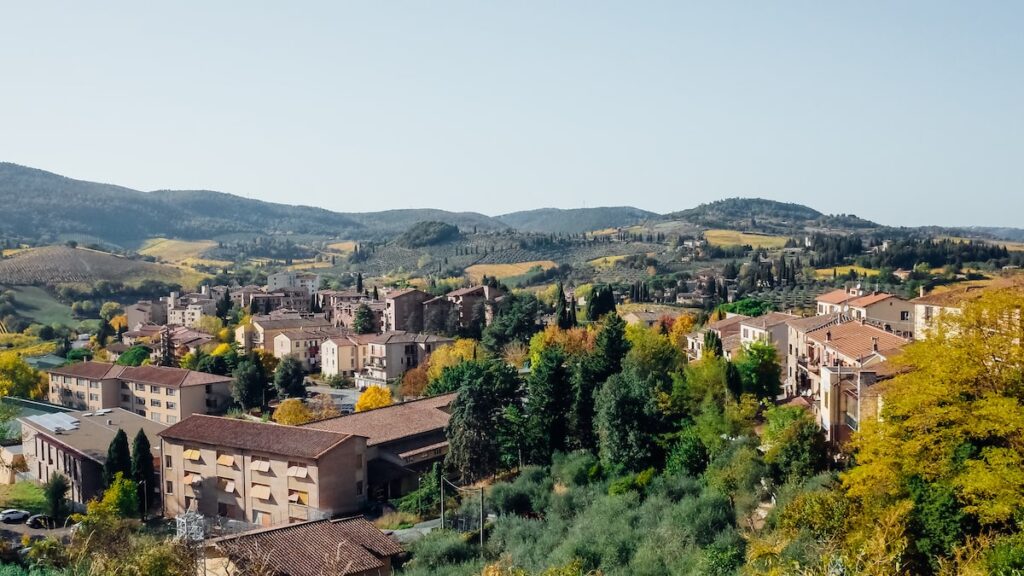
Tuscany has two international airports: the Amerigo Vespucci in Florence and the Galileo Galilei in Pisa. While both airports receive a fair amount of traffic, when planning your Tuscany road trip, it’s also a good idea to check for flights to Bologna’s airport. Although not technically located in Tuscany, the Guglielmo Marconi airport in Bologna is the largest in the area. Bologna is just an hour’s drive from Florence, and most air carriers fly directly there.
That said, before booking your flight to Tuscany, check all three airports for flights from your hometown. Moreover, in Bologna, you can usually find more competitive prices for car rentals. Apart from its proximity to Tuscany, Bologna is a stunning city that is often regarded as one of Italy’s culinary capitals (see my guide to the best food tours in town). So, Bologna will be a great option if you arrive after a long flight to Italy and need to stretch before starting your road trip to Tuscany.
Regarding the cheapest flights to Tuscany, the best option is to head to Kiwi and compare prices. Whenever I’m about to fly anywhere, I always check Kiwi to find the cheapest fares available. Compare the three airports and decide which one you’ll fly to.
Car rentals in Tuscany: where to find the best fares for your road trip
Ideally, your road trip to Tuscany should start the moment you land in Italy. Therefore, after booking your plane tickets, you should try to pick up a car at the airport on arrival. Apart from not having to deal with public transport the moment you land in a foreign country, you’ll also be able to start your Italian road trip straight away. Therefore, it’s better to pre-book a car that awaits you at the airport instead of searching for one upon arrival.
Now, here’s another Tuscany travel tip: if, for example, you find cheap flights from your hometown to Florence, but it’s cheaper to fly back home from Pisa, most car rentals in Italy offer you the option to return the car to another airport. Of course, this comes at an extra cost; however, it’s usually much cheaper than the airfare difference.
I always use Kayak for booking a car abroad. Their powerful search engine will compare the prices of local and international car rentals. Additionally, you can select your pick-up and drop-off locations, timeframe, and other options, such as insurance and the number of drivers.
You can check car rental prices with Kayak here.
Tuscany road trip: the must-sees
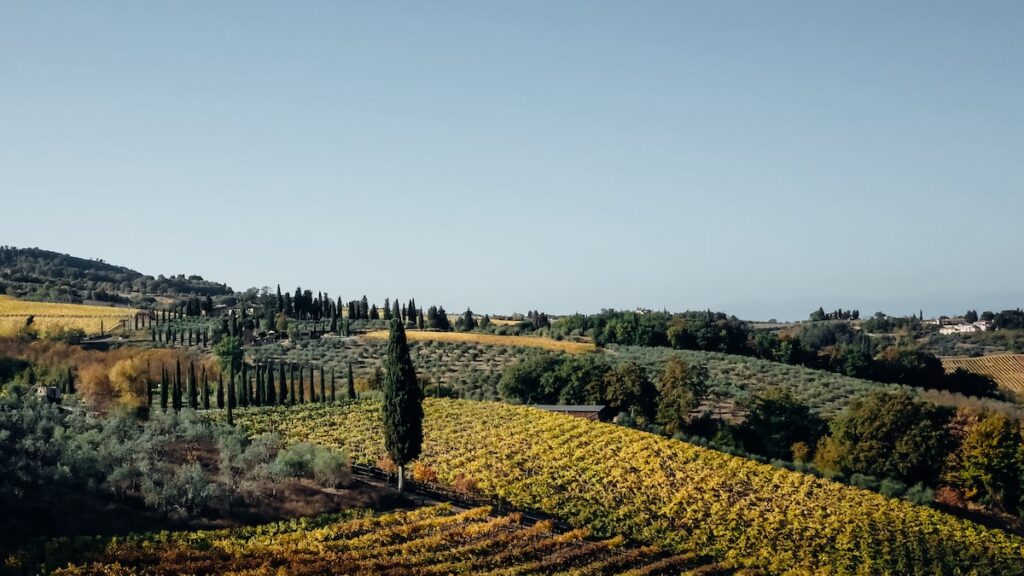
After booking your flight tickets and your car, it’s time to start planning your road trip to Tuscany. While the number of days will define the amount of sightseeing you can do, there are some places you simply can’t miss. For example, the experience will be different if you have one week in Tuscany instead of two weeks. However, I recommend at least 5 days in Tuscany to see the most important locations.
Before starting with the Tuscany must-see places, I’d like to add a note. I’m a fan of slow traveling, which means I always prefer a less action-packed itinerary. In general, I always think that it’s nice to have breathing space when traveling, and immersing in the local culture is a must. Therefore, I’d rather sacrifice a place and enjoy the moment. The selection you’ll see below is based on my travel attitude. Straight after this section, you’ll also find a bunch of other places to include in your itinerary.
Let’s start.
Florence
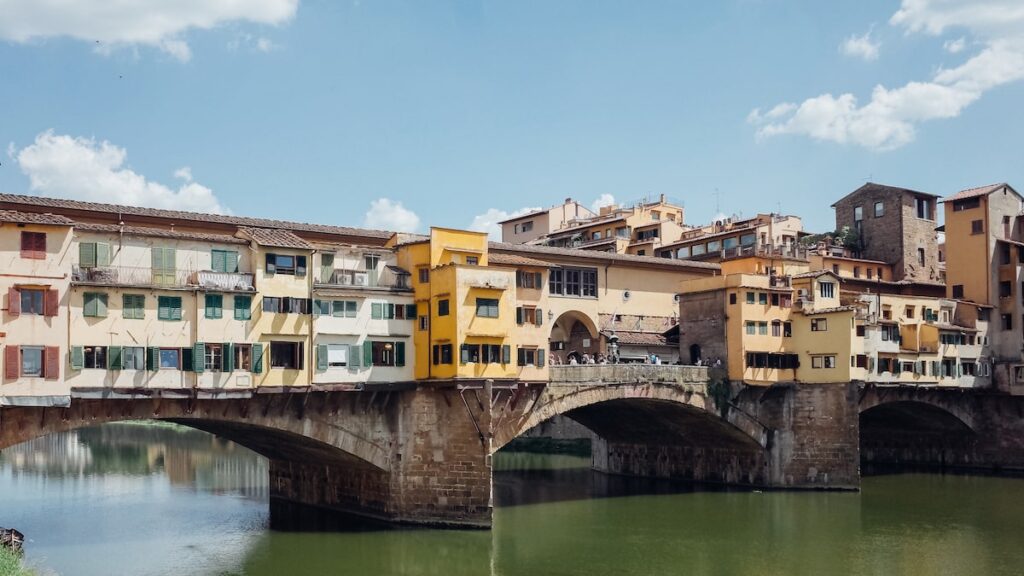
No journey to Tuscany (or Italy) is complete without a visit to Florence. The cradle of the Renaissance is one of the most legendary cities in the world, and you simply can’t miss it if you’re on a road trip around Tuscany. The stunning Italian city is an open-air museum, and you’ll see incredible architecture and art with every step you take. World-famous art institutions like the Uffizi Gallery or the Galleria dell’Accademia can occupy you for hours. On the other hand, the Duomo of Florence and the Ponte Vecchio are iconic spots rich in history and intriguing tales.
I can’t imagine a road trip to Tuscany without spending a couple of days in Florence. It’s up to you to decide if you’ll spend some days in Florence at the beginning or the end of your Italian journey. However, walking the streets of Florence and coming across art masterpieces is something unmissable.
My Florence guides & resources
I wrote several separate posts about Florence. In the first one, you can read various facts about Florence and find the best boutique hotels in the city. In the second post, I listed the best art tours in Florence, along with their prices. Finally, you can also find a very thorough guide about the best Tuscany wine tours from Florence to enjoy top-class Chianti wines.
Since Florence attracts millions of visitors each year, booking your museum tickets in advance is highly recommended. Moreover, a guided tour will save you time because you’ll skip the line and learn more about what you see from a registered tour guide. Check both articles and plan your Florence itinerary.
Florence tip: If you can only visit one museum in Florence, this should be the Uffizi Gallery. However, the queues are long, and you shouldn’t miss travel time. Pre-book your Uffizi ticket here and skip the line.
Siena
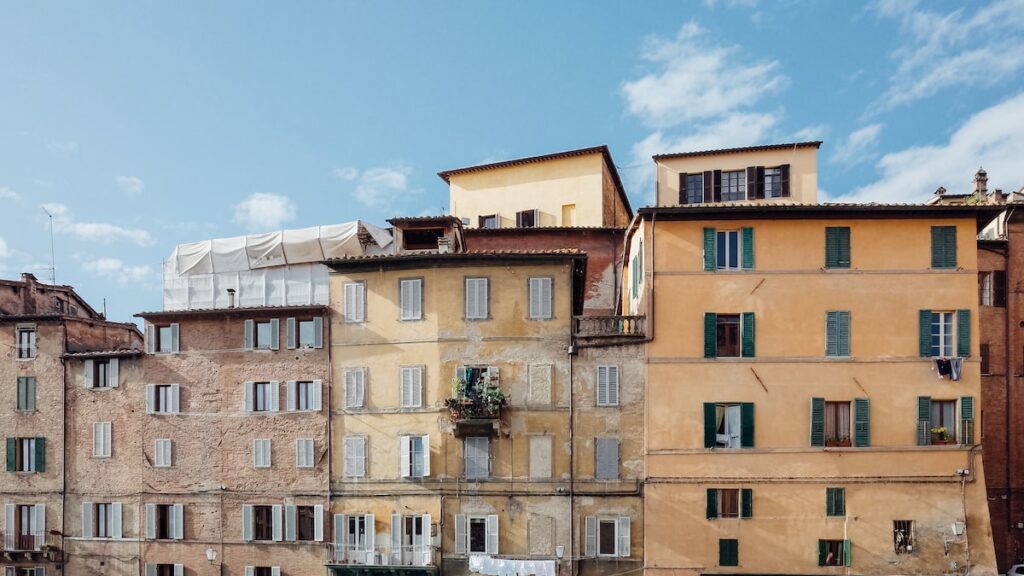
If you have a thing for medieval cities, Siena won’t let you down. Apart from its undeniable architectural beauty, Siena is also an excellent base for further exploring Tuscany. Located in the heart of the region, the walled city of Siena boasts a fantastic atmosphere, and walking through its cobblestone streets feels like a journey through time.
The iconic Piazza del Campo is Siena’s main square and the broadest spot you’ll find in town. That’s where the locals gather, and if you want to blend in with the locals, the so-called Il Campo is the place to be.
Besides its beauty, Siena is one of the best spots to discover the famous Chianti wine region. Dozens of wineries are located nearby, and joining a wine tour will be an unforgettable experience. The beautiful Tuscan landscape hosts bigger and smaller wineries, and drinking Chianti wine in the region where it’s produced is one of the must-do things in Tuscany.
My Siena resources
As mentioned in the previous lines, Siena is a perfect base for further exploring the Chianti wine region and joining wine tours and tastings. I wrote a comprehensive guide about the best wine tours from Siena. If you feel like leaving your car for some hours and having somebody drive you to the best wineries in the region, this guide will help you discover the best wine experiences in Chianti.
Moreover, since the city’s historical center is a ZTL Zone, you should think twice before parking your car. To avoid fines and unwanted vacation stress, I wrote a separate article about the things you need to keep in mind when visiting Siena with a car. You can find my article about how to visit Siena with a car here. You’ll also see a list of hotels with private parking.
Siena tip: If you use Siena as your base, you might miss some of its highlights. There’s a fantastic Siena walking tour that will take you to the city’s highlights. Moreover, you’ll get to the city’s stunning Cathedral without queuing. Book this fantastic Siena walking tour here.
San Gimignano
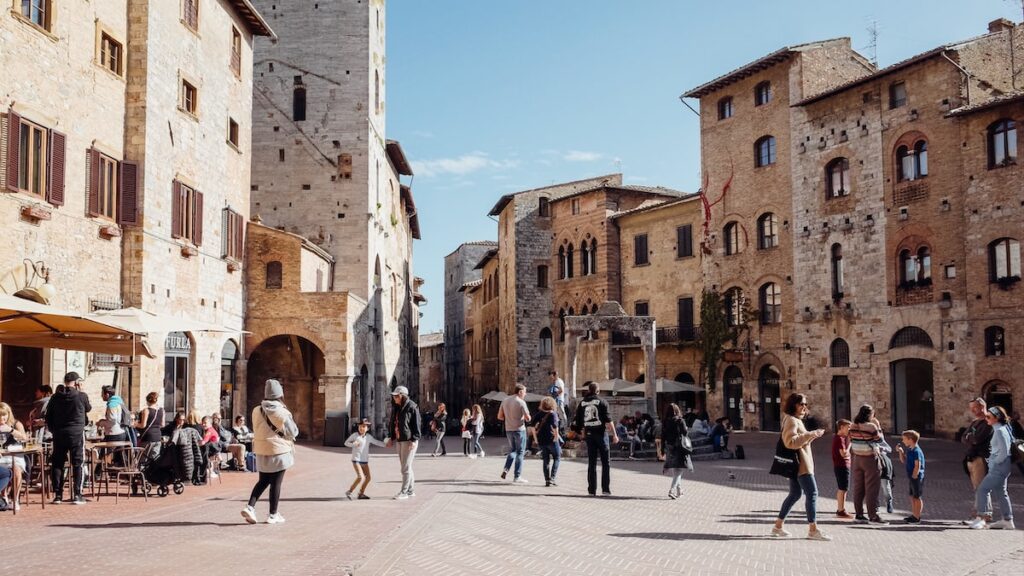
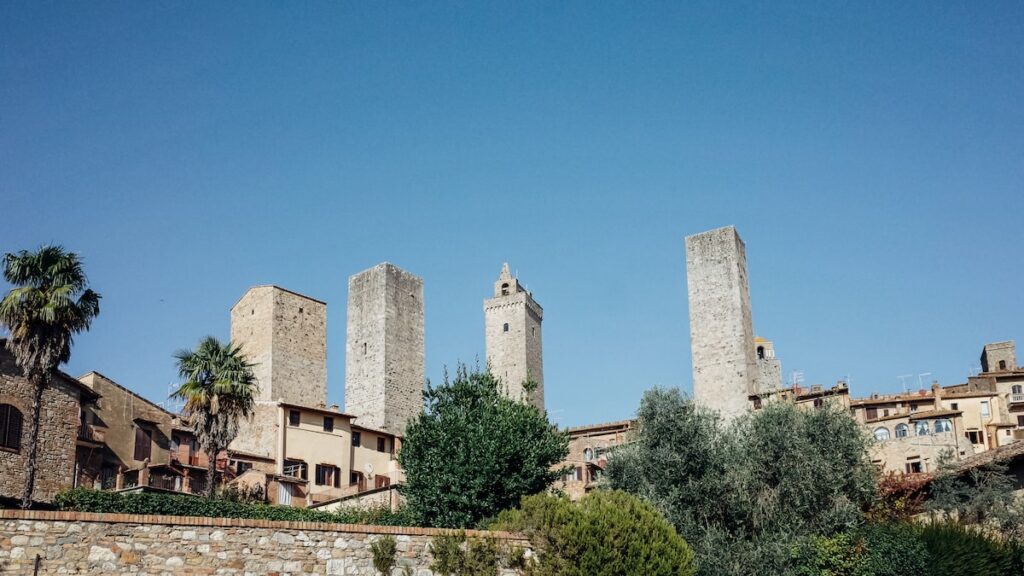
One of the best places to see in Tuscany is definitely San Gimignano. This Tuscan gem is located halfway between Siena and Florence, and it’s one of the most picturesque towns you’ll come across on your Tuscany road trip. Known as The Town of Fine Towers or even Medieval Manhattan, San Gimignano is famous for its stunning architecture. Fourteen medieval towers occupy its skyline, and a couple of them are converted into hotels.
The number of San Gimignano towers might sound insignificant; however, once upon a time, it had 72. For a town that compact, the number is really impressive. While you won’t need more than a couple of hours in San Gimignano, I highly recommend spending at least one night there. Most people visit San Gimignano on a day trip and depart late in the afternoon. However, after the daytrippers are gone, the small Tuscan town becomes quiet, and wandering through the narrow streets at night is an unforgettable experience.
My San Gimignano guide
San Gimignano significantly impacted me, and it was definitely one of the highlights of my road trip to Tuscany. I wrote a comprehensive travel guide about the town, including the best things to do, some excellent places to eat and drink, and the top hotels. You can read here my San Gimignano travel guide.
San Gimignano travel tip: How about spending a night in one of San Gimignano’s towers? The Torre Salvucci offers accommodation in a 12th-century tower in the town’s heart. Book your room at Torre Salvucci here.
Arezzo
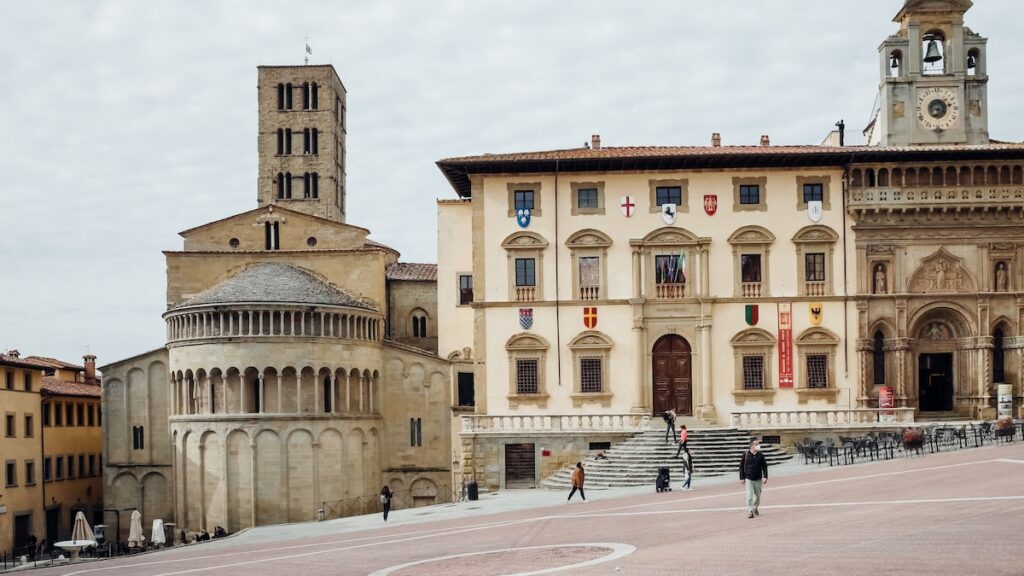
Being one of the most famous Etruscan cities, a civilization that flourished centuries ago in this part of Italy, Arezzo is nowadays one of the must-see Italian cities. The city has a population of almost 100,000 people, but it feels more compact. Exactly like Siena, Arezzo is a beautiful walled city, and its most famous spot is the stunning Piazza Grande. The biggest square in the city was featured in the famous Roberto Benigni movie La Vita è Bella, and it hosts an art bazaar on the first Sunday of every month.
Located just 80 km (50 mi) from Florence, Arezzo is home to various notable churches. Even if you are non-religious, visiting a couple of churches in Arezzo is a must due to the Renaissance masterpieces they host. The most famous of all is the Basilica of San Francesco, built in the Tuscan Gothic style, where you can see an iconic Piero della Francesca “History of the True Cross” fresco up close.
My Arezzo guide
Arezzo feels quieter than Florence and Siena; however, it’s an excellent base for discovering this part of Tuscany, and there are plenty of things to see. I wrote a travel guide to Arezzo, where you’ll find the must-see attractions and the best hotels in the city. You can read here my guide to Arezzo, Italy.
Arezzo tip: Italian cuisine is famous worldwide. Don’t miss the chance to dine with a local when visiting Arezzo. Meet your host, buy groceries together, and enjoy a delicious homemade meal at your host’s place. Book a dinner with a local in Arezzo here.
Pienza
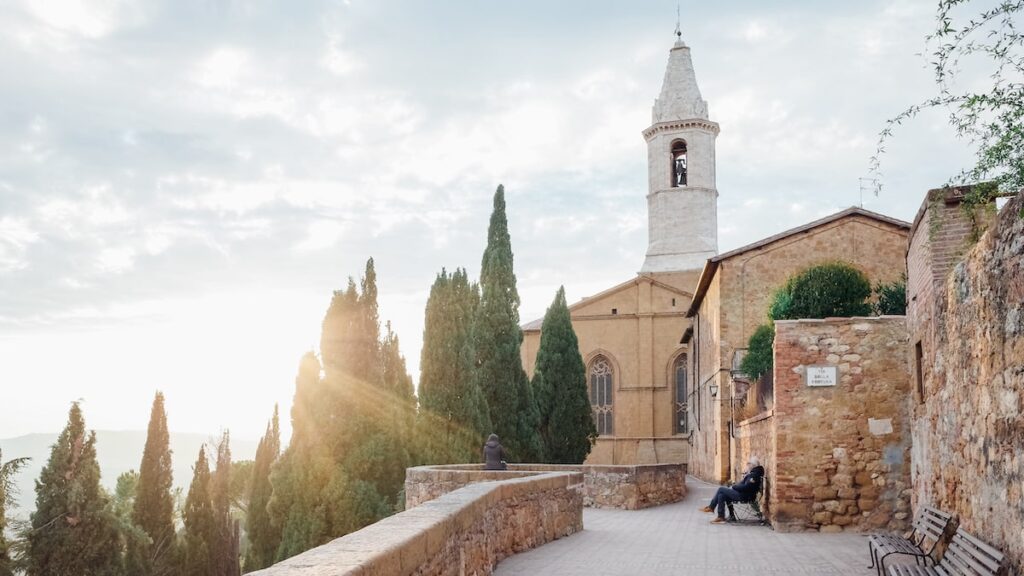
Last but not least, here’s one of the hidden gems of Tuscany. Pienza appears to be a sleepy little town with fewer than 2,000 inhabitants. Its picturesque yet humble style might make you think it doesn’t deserve to spend time here. However, Pienza is one of the ideal cities of the Renaissance and among the most important locations in Tuscany.
While the Palazzo Piccolomini and the Duomo will magnetize your eyes, Pienza’s urban planning actually made the little town famous worldwide. The concept of the ideal city was first introduced in Pienza, and it’s a cornerstone element of most modern cities. Taking a humanistic approach to architecture is a Renaissance concept.
In brief, that’s an attempt to encompass moral and spiritual aspects in urban structures. Geometric patterns are at the heart of ideal cities, and making cities a place where people can thrive is the essence of this concept.
My Pienza travel guide
Despite its small size, Pienza is one of the must-sees when driving around Tuscany. Apart from encompassing various Renaissance ideas, the town is beautiful beyond words. While you can see Pienza in an hour, spending a night here will add a special touch to your Tuscan journey. You can read my Pienza travel guide to discover more about Tuscany’s hidden gem.
Pienza tip: The Palazzo Piccolomini is a must-see for your visit to Pienza, and it hosts (probably) the first roof garden of the Renaissance. Pre-book your entry ticket at Palazzo Piccolomini here and skip the line.
Tuscany road trip: other places to add to your itinerary
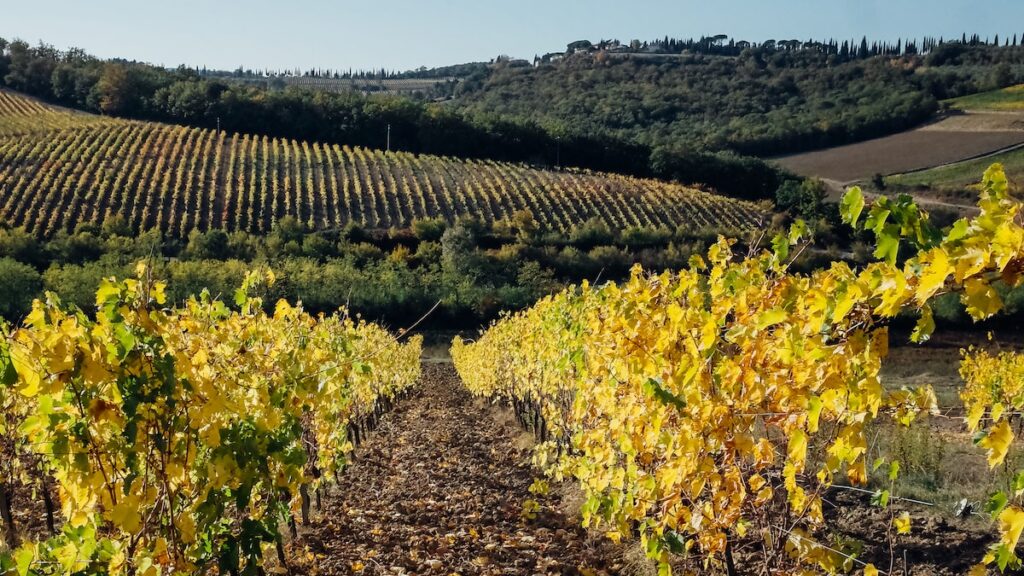
While the above places can be your bases while visiting Tuscany, there are plenty of other locations to add to your road trip itinerary. Driving between any two cities mentioned above and towns will bring you to picturesque villages that deserve a stop. The Tuscan landscape is stunning, and part of your road trip to Tuscany will be about enjoying nature.
Therefore, in this section of this Tuscany travel guide, you’ll find a bunch of places to add to your itinerary. Depending on which side of Tuscany you want to explore, some of these places can be great bases for further exploring the area.
Montepulciano
Just 13 km (8 miles) out of Pienza, you will come across the small town of Montepulciano. Renowned for its famous Vino Nobile di Montepulciano red wine, the small city is a great addition to your Tuscany road trip itinerary. Its car-free city center makes it a great option for strolling around, and its beautiful buildings are sure to make it into your camera roll.
Despite its size, Montepulciano attracts thousands of visitors, and if you happen to stop here, make sure to taste (at least) one glass of its famous red wine.
Montalcino
Settled since Etruscan times and a few kilometers west of Pienza, Montalcino is one of the most beautiful towns in Val d’Orcia. Montalcino’s poetic name most likely originates from an oak tree that once stood in the area.
Today, Montalcino is one of the most beloved Tuscany stop-overs due to the tremendous views of the Asso Valley. A stop at Montalcino will expose you to views that resemble impressionistic paintings, and it’s better to stop by late in the afternoon and enjoy a fantastic sunset.
Pisa
There’s a great possibility to begin or end your Tuscany road trip itinerary in Pisa. The city is famous for the Leaning Tower, and it’s one of the biggest cities in Tuscany. I didn’t include Pisa in the Tuscany must-sees section in the previous section because the city didn’t meet my expectations, apart from the Leaning Tower. I probably had high hopes, which is why I think it’s better to stop over in Pisa and not spend days there.
However, save a day for the city if you have a flight to or from Pisa. Pisa has its moments, and the Leaning Tower is definitely something to see and photograph.
Volterra
Volterra is another walled city in Tuscany, offering great views and boasting a history that dates back to the 8th century BC. The famous Piazza dei Priori is one of the finest examples of Tuscan squares, and the Roman Theater of Volterra is one of the best-preserved Italian theaters.
Volterra is an excellent addition to your Tuscany itinerary if you are in San Gimignano and planning to travel west toward the coast.
Cortona
On the other hand, if you are close to Arezzo and want to see more of this side of Tuscany, a stop at Cortona is recommended. Occupied and extended by the Etruscans, Cortona is famous for its stunning medieval architecture and steep, narrow streets. The city walls that the Etruscans built are still intact in some places, and the small city has some incredible viewpoints of Valdichiana.
Tuscany road trip map
In this section of the travel guide, you can find a map for your road trip to Tuscany. As you can see above, the itinerary starts and finishes in Florence. Apparently, if you land in Bologna, you can drive to Florence (it takes an hour) and start your trip. On the other hand, if you land in Pisa, you can start from there and drive around the region.
Travel Tip: Click on the star on the map’s black banner and save it to your Google Maps account. You can retrieve it at any time and check the locations. The map will appear in Google Maps under “Saved” –> “Maps.”
Suggested itinerary for your road trip to Tuscany
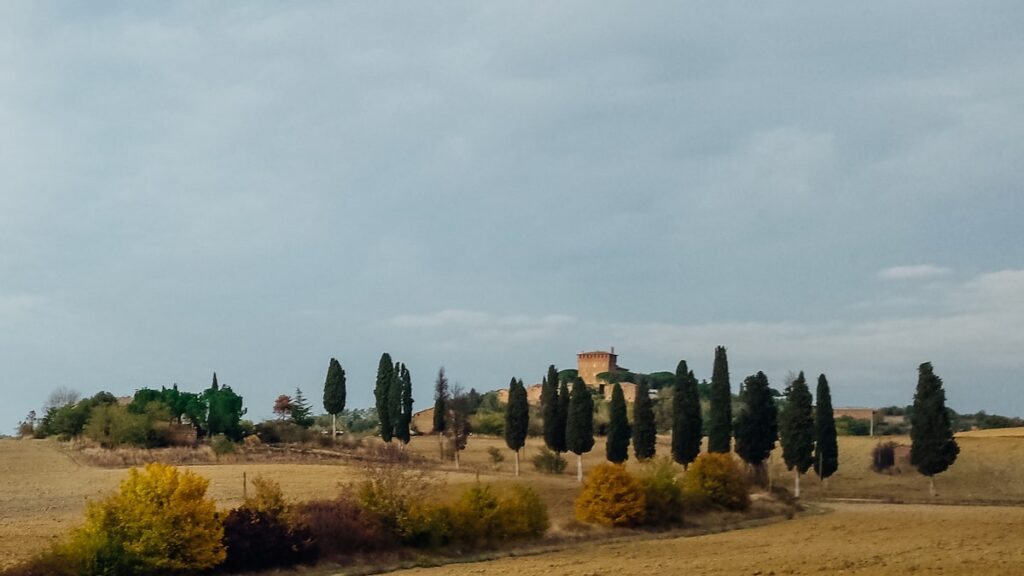
As I already wrote, the number of available days will define what you’ll see and do in Tuscany. In general, if you have less than 5 days in Tuscany, you won’t easily see everything unless you drive all day. If you only have two or three days in the region, choose a few places depending on your interests and try to combine a bigger city (like Florence) and a couple of small towns (like San Gimignano and Montepulciano).
The Tuscany route on the above map is roughly 500 km (310 miles), and driving time should be anything between 8 and 10 hours in total. Therefore, on a 5-day road trip, you’ll need to drive approximately two hours per day; obviously, if you have two days, you’ll practically have to drive for most of the day.
That said, the Tuscany itinerary you saw above works best if you have 7 days in Tuscany. A week in Italy’s most famous region will give you a relaxing time, and you won’t have to be on the road continuously. There will be enough time to relax, enjoy, or even change plans and visit the X place that a local said is worth seeing. Of course, if you have more time, like ten days or even two weeks in Tuscany, you can further stretch the itinerary and drive to places on the region’s coast, like Livorno.
So, let’s now see the route.
Road trip to Tuscany: Detailed Itinerary
A one-week Tuscany road trip:
Day 1. Begin in Florence and dedicate the day to exploring the city’s various museums and attractions. Spend the night in Florence.
Day 2. If there’s any Florence sightseeing left, do it early in the morning. Then, take your car and drive to Arezzo. Explore the beautiful Etruscan city and decide if you’d like to stay there or if you’re up for a small town. If you decide on the latter, drive to nearby Cortona and spend the night there.
Day 3. After breakfast, drive towards Montepulciano. Explore the picturesque town and taste some wine. After lunch, start driving towards Pienza, the ideal city of the Renaissance. I suggest spending the night here and exploring both the town and the stunning Val d’Orcia.
Day 4. Leave Pienza behind and drive to Montalcino. This small town is a great option for sightseeing and lunch breaks. Then, go to Siena and explore one of Europe’s most iconic medieval cities. Spend the night here and have dinner around Piazza del Campo.
Day 5. Today is all about wine tasting and exploring the Chianti region. Siena is an excellent base for going on wine tastings, and if you feel like skipping the car, you can join a guided tour (see the top wine tastings from Siena here). After the tour’s conclusion, take your car and drive to San Gimignano. Explore the town of medieval towers and spend the night here.
Day 6. After breakfast, get in your car and drive to Pisa. The Leaning Tower awaits you, and after strolling around the city, consider visiting nearby Lucca. If you don’t have an early flight the next day from Florence or Bologna, spend the night in Pisa. Otherwise, drive to the city of departure.
Day 7. Assuming you’re still in Pisa (or Lucca), stroll around town and head to the city of departure. If that’s Florence, well, there’s always something to see in Florence before heading to the airport.
Travel tips for your road trip to Tuscany
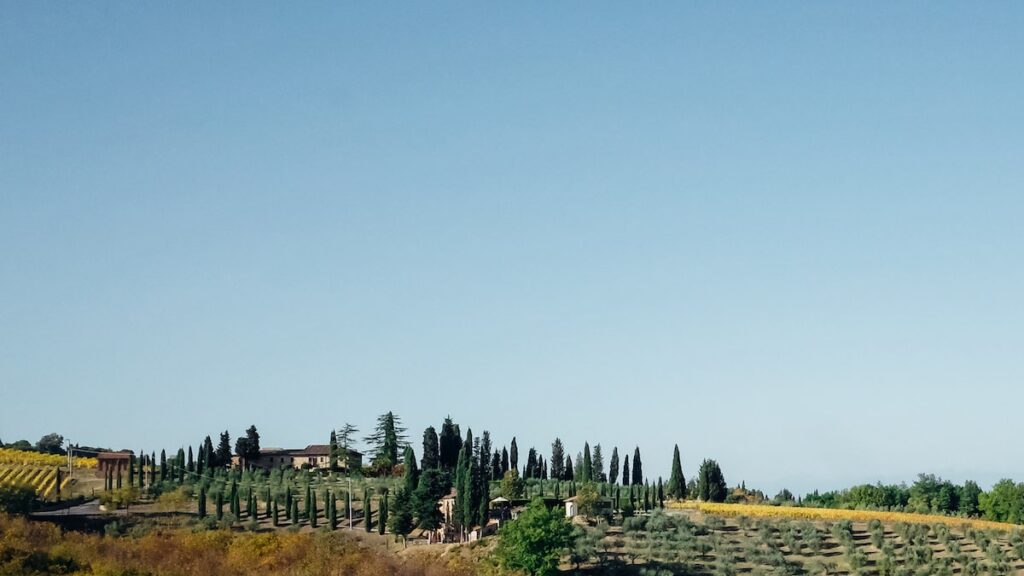
Before heading to the final section of this travel guide to Tuscany, I thought of adding a couple of tips for your journey. Feel free to keep these things in mind for a fuller Tuscany experience.
Skip the highways. Although it’s inevitable to drive sometimes on the motorway, Tuscany’s beauty is on the smaller roads. Highways are a great shortcut when you’re in a rush, but you’ll miss the region’s stunning nature. Therefore, whenever possible, don’t take the fastest way: instead, try to avoid it and immerse yourself in Tuscany’s landscape.
Save some coins for the toll roads. In case you find yourself driving on the motorway, make sure to have some coins with you. You’ll have to pay for using Italian highways, and although they accept cards, it’s sometimes a good idea to have some cash on hand. My card wasn’t accepted once, resulting in a long queue.
Don’t park in city centers. Most cities and towns in Tuscany have dedicated parking lots outside the walls. Park your car there, and don’t risk getting a fine for illegal parking. You’ll pay per hour of use, and usually, a daily money limit can’t be exceeded. In San Gimignano, for example, you can’t pay more than 15 euros per day, although the parking costs 2 euros per hour. Don’t risk a fine.
Rent a small car. Unless you’re traveling with more than four people, don’t rent a big car. Tuscany’s streets are small, and the roads are in fairly good condition. You won’t need a big car to drive around Tuscany; it’ll be more of a hassle to drive through the narrow streets, let alone park it. Check your car rental options here.
If worried, buy full car insurance. Full car insurance comes at an extra cost, but it’ll give you peace of mind. It is available in every rental, covering everything that might happen to your car, even scratches. On Rental Cars, you can see the added cost in the final step. It’s usually a small amount, like 5 or 10 euros per day, depending on the car.
Embrace spontaneity. Apart from this Tuscany travel guide, you will probably read several other guides. While it’s important to be well-prepared for your road trip, I always suggest being spontaneous. If a village’s name sounds tempting, visit it. Or, if you feel like skipping driving for the day and prefer enjoying nature, do it. The best moments of your road trip will be the carefree ones.
Book your museum tickets in advance. That’s the only thing you can’t be spontaneous in Tuscany. Everyone wants to see stunning art or go on day trips in the region. Therefore, everything sells out fast. If you don’t want to queue for half a day in the Uffizi (I did), it’s better to be on the safe side. Websites like GetYourGuide can smooth the process. Visit the website, add the attraction’s name, and check the skip-the-line options.
Google Maps (or GPS) is your Tuscan friend. Before starting your road trip to Tuscany, make sure to download the map of Tuscany from Google. The region has plenty of tiny streets, and you might often be confused. Moreover, even if you enable roaming, it doesn’t guarantee an internet connection everywhere. If your car doesn’t have a GPS installed, make sure to have the map on your smartphone.
Tuscany road trip FAQ
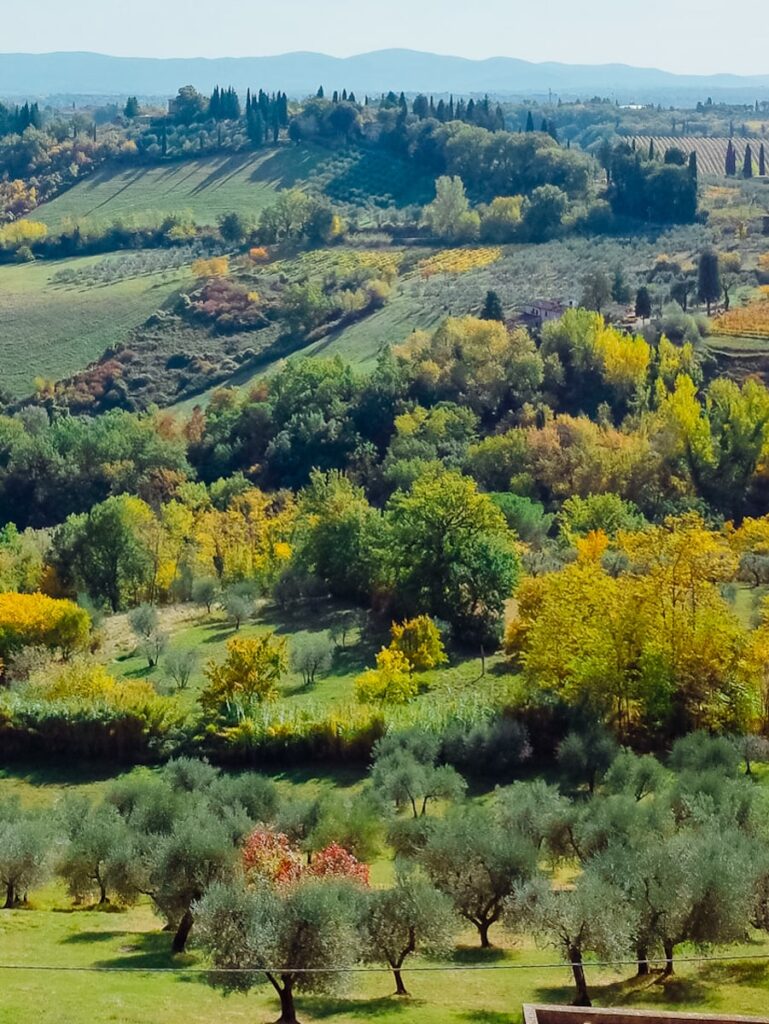
In the final section of this long travel guide to Tuscany, you’ll find some of the most frequently asked questions about the region. Consider the answers as extra travel tips for your road trip. If you have more questions, please add them in the comments section below, and I’ll do my best to reply.
So, here’s the Tuscany FAQ.
How many days do you need for Tuscany?
You will need at least 5 days to see Tuscany. You can only see parts of the region if you have fewer days. On the other hand, if you have one or two weeks in Tuscany, you can see smaller villages.
What is the best month to visit Tuscany?
September and October are the best months to visit Tuscany. The weather is still warm, and it’s pure joy to drive around. May to mid-June is also a good timeframe to visit the region.
On the other hand, July and August tend to be hot, and the area is crowded. If you have the option, it’s better to avoid these months.
How long does it take to drive through Tuscany?
This largely depends on your Tuscany itinerary. You’ll have to drive approximately 500 kilometers (310 miles) to see most places in Tuscany. Apparently, if you want to add tiny villages to your itinerary, you might need to drive ~800-1000 kilometers (~495-620 miles).
Is it difficult to drive around Tuscany?
Definitely not. The road network is in good condition. However, the regional roads tend to be small, and you can’t speed up: apart from being dangerous, you’ll also risk a fine. Plus, you’ll visit Tuscany to enjoy the landscape; there’s no reason to rush.
Use common sense when driving, and you’ll have a great time.

Is a car necessary in Tuscany?
Renting a car in Tuscany will give you flexibility. However, it’s possible to see most places (especially the famous ones) with public transport or guided tours. You can even hire a driver to take you around. That’s obviously a costly option, but if you can afford it, it’s a great option to make the most of your Italian trip without a car.
How many UNESCO World Heritage Sites does Tuscany have?
Tuscany is home to 8 UNESCO World Heritage Sites. These are:
- The historic center of Florence.
- Pienza.
- Val d’Orcia.
- Pisa’s Square of Miracles.
- The San Gimignano historic center.
- Medici villas.
- Montecatini Terme.
- Siena’s historic center.
What is the ZTL?
The ZTL is a controlled zone in Italy, usually in and around the city center. It practically means that non-residents are not allowed to drive or park. However, don’t think that they won’t see you: police cameras will photograph your license plates. Therefore, if you see a ZTL zone, avoid driving or parking.
Is Tuscany expensive?
Tuscany is relatively expensive. This isn’t a surprise, since it’s Italy’s most famous region and one of the most famous worldwide. You should expect elevated costs on everything: from food to accommodation, and from museum fees to car rentals.
However, the quality of services somehow balances the costs. It won’t be easy to visit Tuscany on a budget, especially if you want to see everything. Therefore, budget accordingly and be prepared to spend some extra cash.
What is the best town in Tuscany?
Florence. The so-called cradle of the Renaissance is undoubtedly Tuscany’s most important city. If you have more than 6-7 days in Tuscany, I recommend spending as much time as possible in Florence. The city is an architectural gem and a place to see Renaissance art.
What’s the best place to base yourself in Tuscany?
If you prefer to stay in the same city every night and go on day trips, your best options are Florence and Siena. Siena is more conveniently located in the center of Tuscany. On the other hand, Florence is in Tuscany’s northern part, making it a good base if you plan to explore this side of Italy.
Can I enjoy agritourism in Tuscany?
Yes. If you have a thing for sustainability, Tuscany is one of the most famous areas in Europe for green stays. Agricultural tourism is on the rise in the region, and contrary to common belief, it won’t cost more than regular stays. I have written a comprehensive guide about 7 green stays in Tuscany, where you can discover the beauty of agriturismo in high-quality, eco-friendly accommodations that cost less than 150 euros per night.
Where is the circle of cypresses in Tuscany?
One of the most Instagrammable places in Tuscany is the so-called circle of cypresses. You’ll find it at San Quirico d’Orcia, one of the most beloved spots for drone photography. See the San Quirico d’Orcia cypresses on Google Maps.
Is Chianti wine sweet or dry?
Chianti wine is dry. Specifically, the world-famous Chianti Classico is a dry red wine produced in Tuscany.
Plan a road trip to Tuscany: conclusion
Most international travelers daydream about a road trip to Tuscany, and that’s understandable. The region is renowned for its iconic art and stunning landscapes, and, along with the divine Chianti wine, it ranks among the top places to visit in Europe. Embarking on a road trip to Tuscany means immersing yourself in one of the most beautiful places on earth.
My final advice is to travel slowly around Tuscany and set yourself in a relaxing mood. As a rule of thumb, it’s better to miss one or two places and enjoy the time. To travel to Tuscany means to experience everything it has to offer: wine, food, landscape, and art. Don’t rush; make it count.
More about Tuscany: My Florence Travelogue

Pin it for later
Sharing is caring. Share this travel guide to Tuscany with your friends.