

Last Updated on June 18, 2025 by George Pavlopoulos
There’s no lack of Cold War sites in Berlin. The city’s turbulent history is omnipresent, and places like the famous Palace of Tears or the iconic Berlin Wall Memorial are must-sees for every traveler. However, among these renowned landmarks stands a humbler location: the DDR Museum in Berlin. Located straight on the River Spree and opposite the city’s cathedral, the DDR Museum has the most interactive exhibits in town.
Although the famous Cold War locations in the city impress with their history, the small DDR Museum offers an immersive experience of life in the former German Democratic Republic (GDR), also known as the Deutsche Demokratische Republik (DDR). For almost thirty years (1961-1989), the city of Berlin was divided by a wall. At the DDR Museum, you can observe how life unfolded during the years of the Berlin Wall.
I’ve visited the museum twice and decided to write this article to show you why it is worth visiting, too. Therefore, in the following lines, you’ll read what to expect from your visit to the museum (buy a skip-the-line ticket here) and see photos. Additionally, I’ll share some historical background and discuss the opening times and ticket purchasing process.
So, let’s see what makes the DDR Museum worth visiting and why it’ll enhance your Berlin journey.
*Some links are affiliate links. It means that if you buy something, I might earn a small commission at no additional cost to you.
DDR Museum in Berlin: what you’ll see
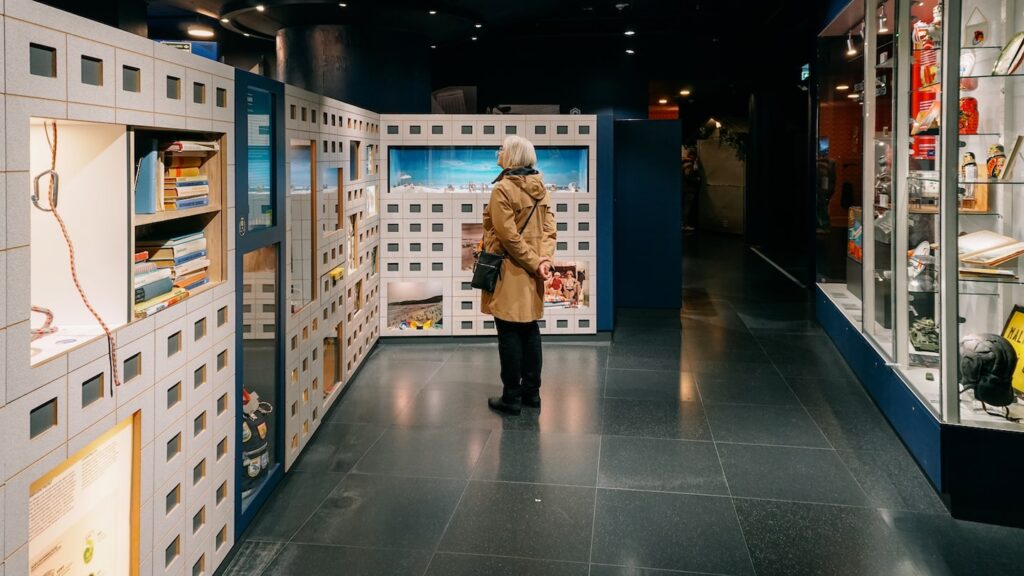
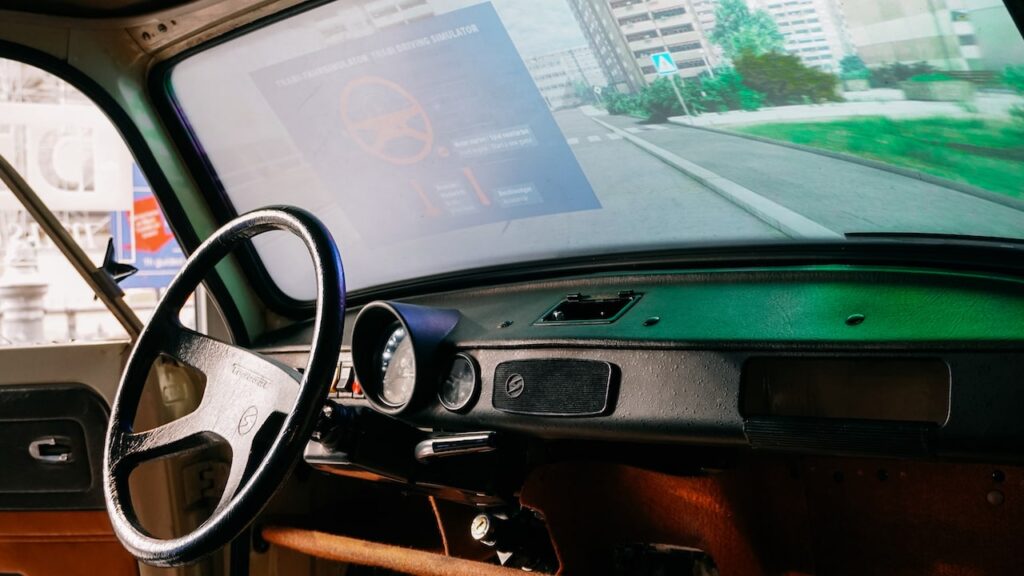
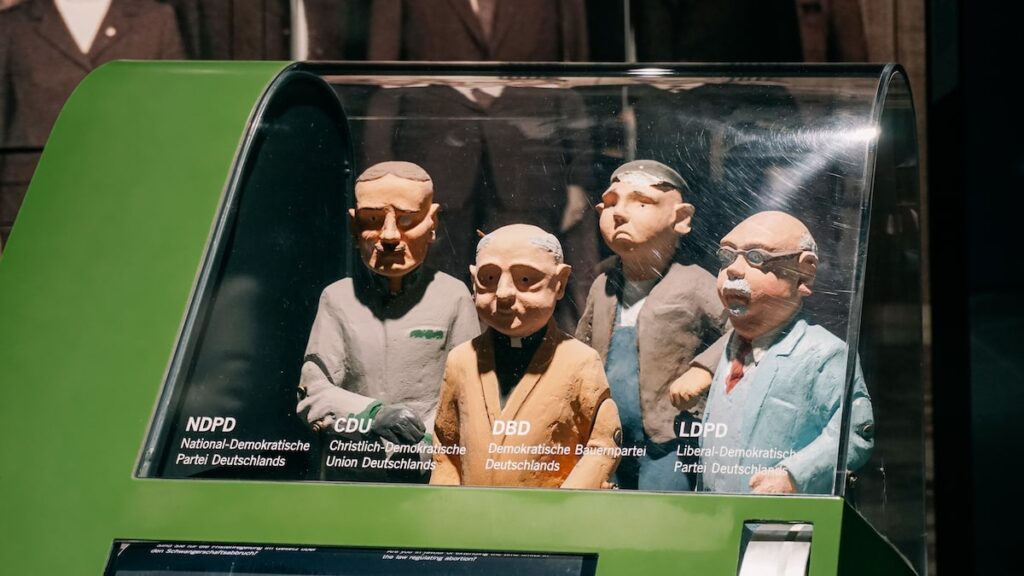
The DDR Museum in Berlin is divided into three sections: “Public Life,” “State and Ideology,” and “Life in a Tower Block.” The visitor can see many objects from daily life, and among the highlights is a Trabi, the famous car produced in East Germany. However, exhibits like the interior of a typical apartment are very interesting, as are the interactive spaces (info-drawers, headsets, etc.). Apart from the permanent exhibition, there is also space reserved for temporary exhibitions.
Now, let’s explore the museum’s various rooms and discover some elements of DDR life.
A miniature of the Berlin Wall

In 1961, the SED leaders (Socialist Unity Party of Germany) sealed the borders to West Berlin. The iconic Berlin Wall emerged around this time, but it took its familiar shape in the late 1970s. Initially known as “Border Wall 75,” it consisted of concrete segments 3.60m in height, crafted by VEB Baustoffkombinat Neubrandenburg and VEB Asbestos Cement Works. According to the museum’s info, each segment cost back then 831.50 Marks.
Over the years, the Berlin Wall evolved technically but failed politically. Despite Honecker’s 1989 claim that the Wall would stand intact for a hundred years, a few months later, people with hammers and chisels began dismantling it. A few pieces of the Wall still survive, and some are at the DDR Museum Berlin.
Light luggage only
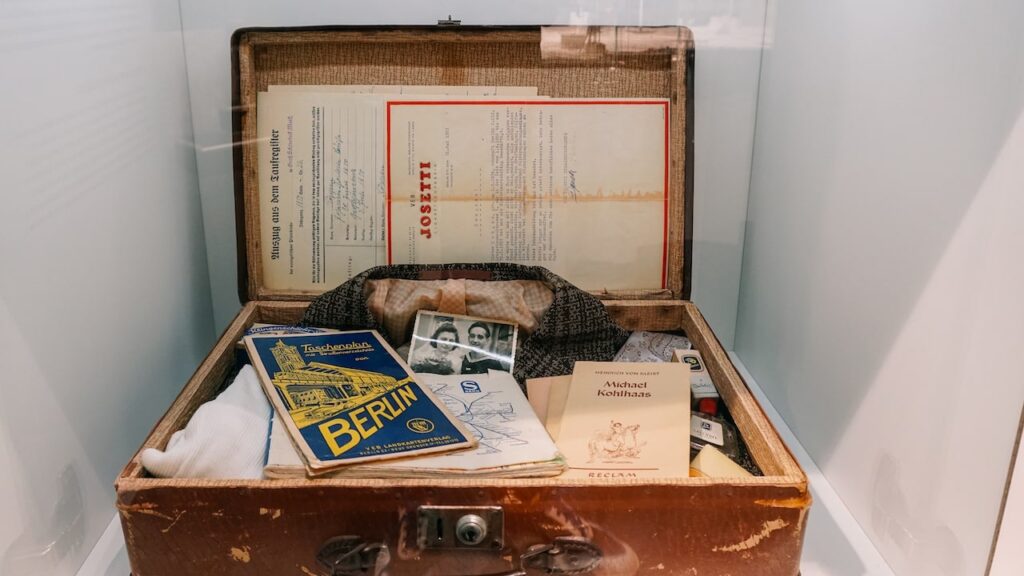
In the rush to the West, packing became an art: people had to fit their lives into small suitcases. The border officials had the right to inspect everything, and if suspicious items were found during the inspection, the experience would be uncomfortable, including interrogation and potentially a prison sentence. Therefore, the journey to freedom demanded low-key suitcase strategies, and if you wanted to avoid prison, you had to avoid attention.
Childhood and Dachas at the DDR Museum Berlin
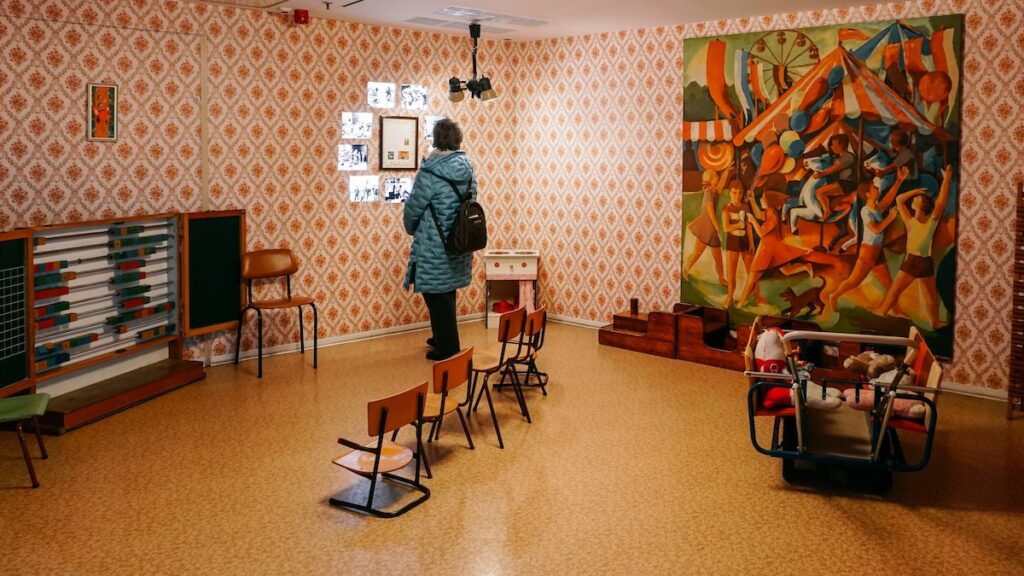
Presented next to each other in the museum, the Kindergarten replication and the Datcha summer retreat were two of the most significant elements of DDR life. The first served as a Socialist education space, while the latter was often an escape from it.
Kindergarten was more than childcare and education: it introduced kids to the state’s values. According to the Communist Party, building a solid socialist spirit was considered more important than individual development. This was a place of socialist cultivation, after all, and the daily routine consisted of playtime, meals, and naps.
On the other hand, the dacha was more than a summer escape. The dachas were also visited on the weekends and somehow embodied the desire for some carefree, nonpolitical time. Evenings with barbeques were the norm, and although the SED didn’t really approve of such activities, it was better than seeing people flee to the West.
Economy and equality
According to the museum’s informational materials, the GDR economists were likened to ancient sorcerers: they were tasked with transforming base metals into gold and bringing prosperity to the country. However, the much-needed “unity of economic and social policy” never found its way to the GDR.
On the other hand, this didn’t seem to be a problem for the statesmen and Party officials. They enjoyed a good life, had access to Western goods, drove expensive cars, and shopped at exclusive stores. The average GDR citizen had no access to these goods, but the GDR leaders could enjoy Western perks like fruits, jewelry, and cosmetics. As you can easily understand, the gap between the elite and the population was immense. It was not a classless society, for sure.
Surveillance in the DDR
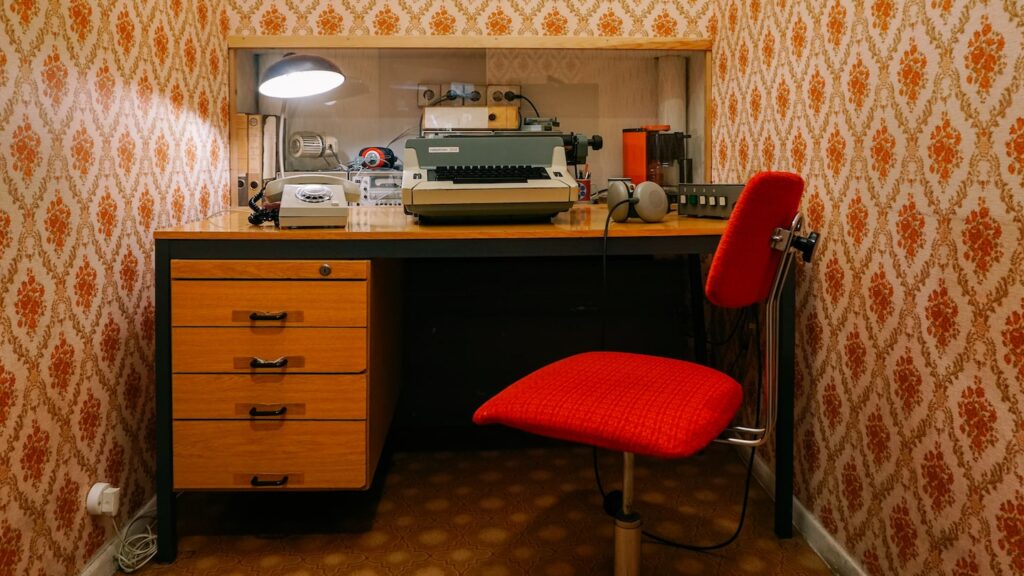
One of the most interesting exhibits at the DDR Museum Berlin deals with the role of surveillance. The Ministry for State Security, widely known as the Stasi, was an organization with endless resources and authority. Shortly before the Fall of the Berlin Wall, the Stasi appeared to have 91,000 professional officers and almost 200,000 unofficial collaborators.
The Stasi was responsible for domestic security, but its role extended beyond that: it could prosecute individuals, act like an intelligence agency, and operate outside the typical bounds. It was the Party’s “shield and sword,” ensuring that everybody was under control and subject to constant surveillance.
The interrogation room
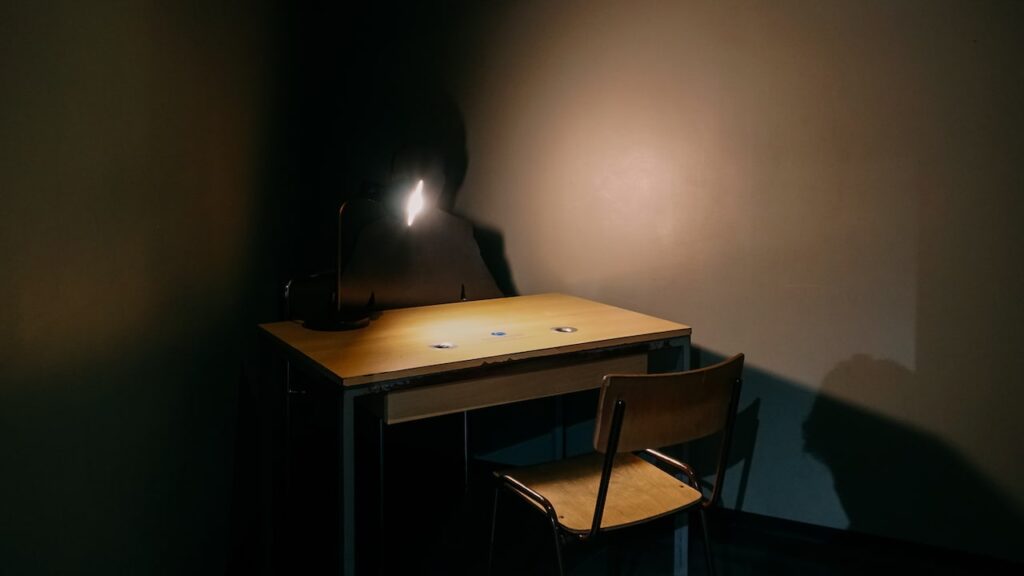
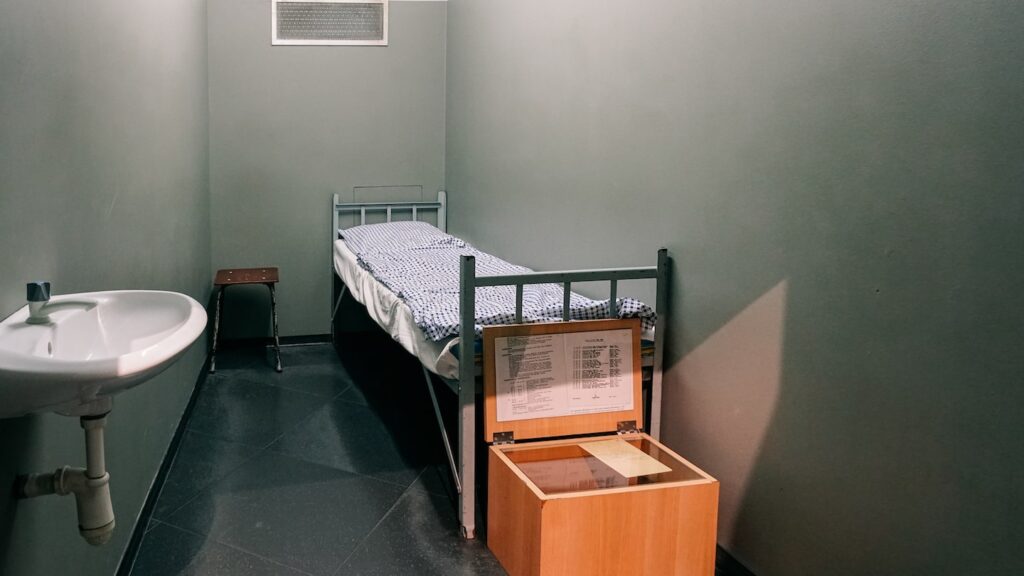
Interconnected to the Stasi’s activities, the interrogations formed a big part of life under the regime. Although the room in the DDR Museum in Berlin shows only a fraction of what potentially took place in these rooms, my visit to the KGB Museum in Riga brought back to mind the procedures.
The interrogators would always repeat, “Don’t worry, we have plenty of time.” Hours would pass with the same questions, aimed at breaking the mind and morale of the interrogated person. Apart from breaking the examined persons, the goal was to make them feel powerless: they couldn’t ask for a lawyer or see family or friends, and sleep was not on the agenda.
Living in the DDR: the apartments
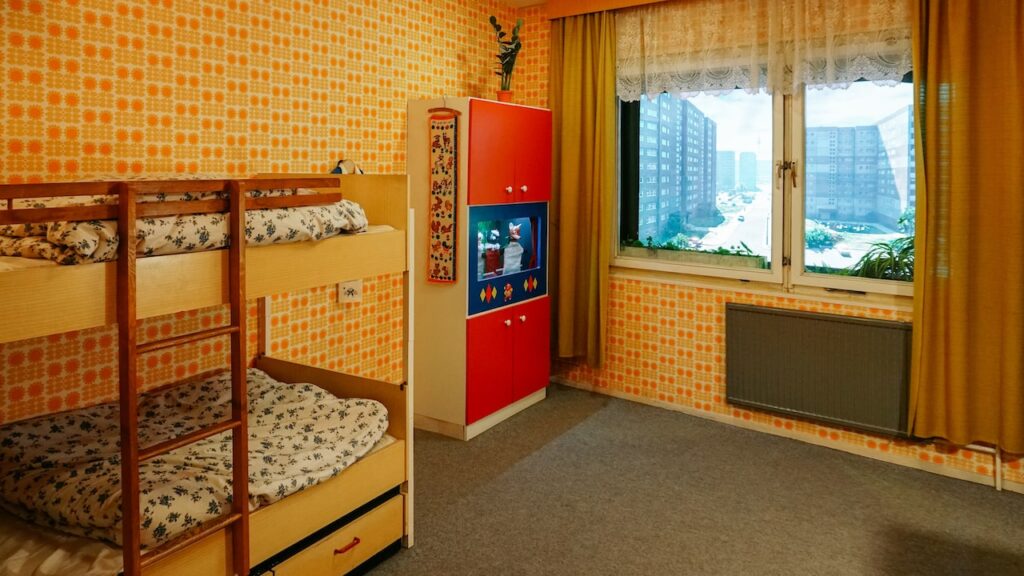
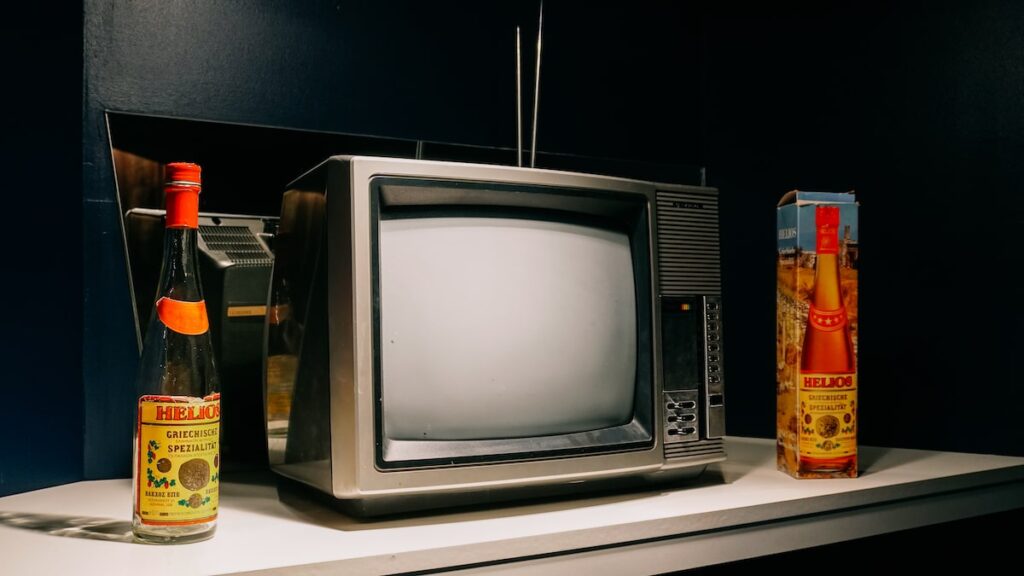
Finally, one of the most impressive exhibits of the DDR Museum Berlin is the replication of a typical apartment. The huge tower blocks offered no alternatives: cramped flats and the same facilities for everyone. Walking through the different rooms of a flat shows you how daily life once unfolded in East Berlin. The living rooms especially encapsulated the Party’s definition of coziness. Thick curtains, tidy furnishing, and a television in the corner presenting news and GDR shows.
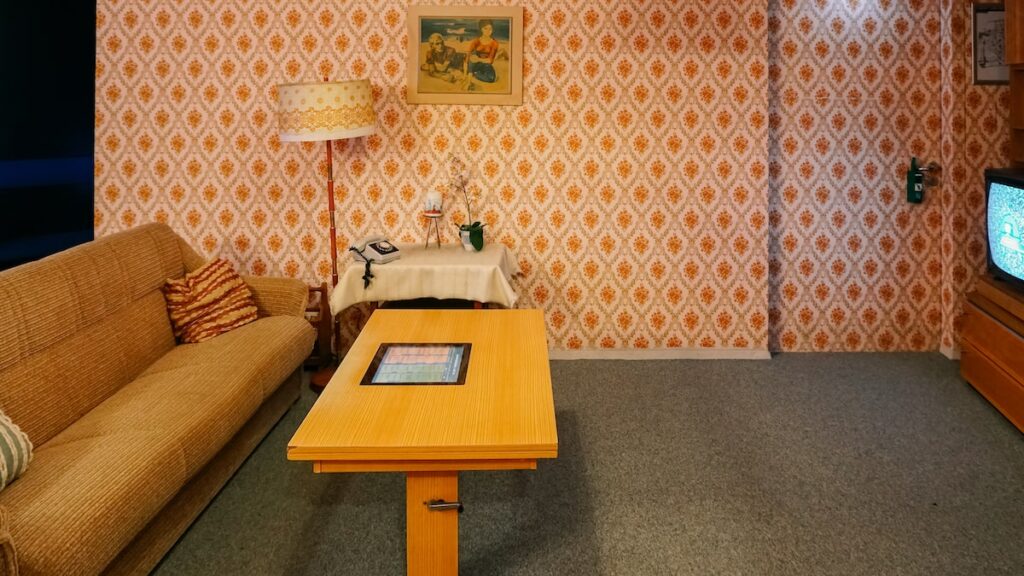
On the other hand, the bedroom, being always part of the private sphere, receives some ironic remarks from the museum. According to the informational material, East German bedrooms were much busier than their Western counterparts. East Germans had sex earlier, married younger, and had more children. “Was it a matter of solidarity or because there weren’t many things to do under Socialism?” is the final sentence of the presentation.
Practical info for your visit to the DDR Museum in Berlin
You can reach the DDR Museum at Karl-Liebknecht-Str. 1, 10178, Berlin (see it on Google Maps here). It is located exactly opposite the iconic Berliner Dom, the city’s Cathedral.
The DDR Museum Berlin is open daily between 9 am and 9 pm. The tickets cost 13,50 euros, and you can purchase a skip-the-line ticket here or directly at the museum. I always advise my blog readers to buy entry tickets in advance to avoid queues.
Last but not least, if you’d like to know more about the museum’s exhibits, you can also purchase a book containing useful information and background stories at the ticket desk.
DDR Museum tip #1
The museum is located on the edge of Museumsinsel, the world-famous Museum Island area of Berlin. If you save a day for your visit to the city’s museums, you can purchase the Berlin Welcome Card. The Classic Card offers 25% off at the DDR Museum and similar discounts at the rest of the museums. However, the All Inclusive Card provides free access to the DDR Museum and the Museum Island. Every card also serves as a complimentary ticket for public transportation.
You can see and purchase the All Inclusive Berlin Welcome Card here -or check the Classic Card here.
DDR Museum tip #2
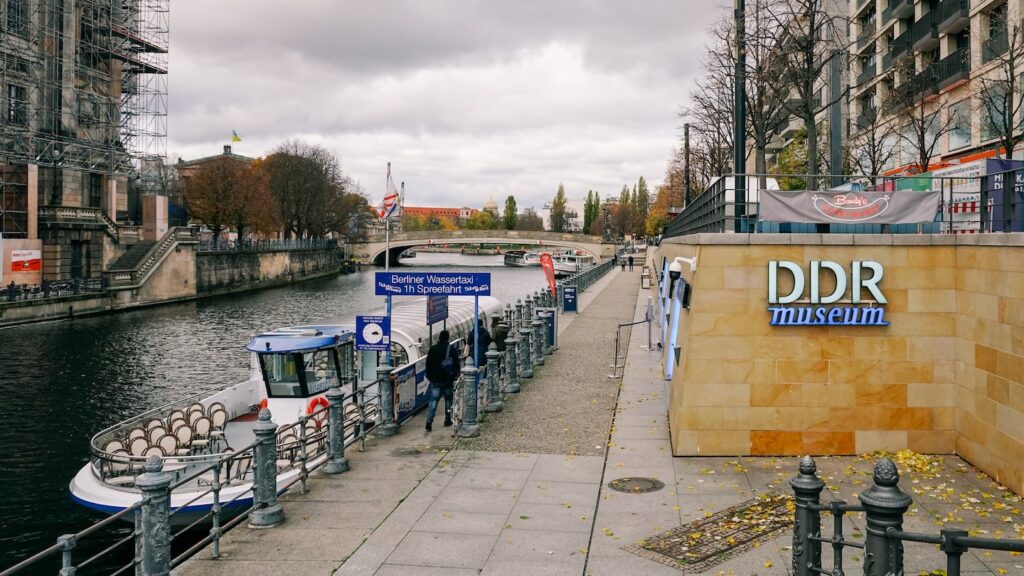
Next to the museum’s entrance, you can find River Spree cruises (read my boat trip review here). The boats are comfortable, and for one hour, you can enjoy Berlin’s landmarks from the water. That’s a great activity and serves as an introduction to the city. Moreover, it takes place in winter and summer because the boats are covered, hence protecting you from the weather.
If it sounds interesting, consider combining it with your visit to the DDR Museum. Prices start from 20 euros per person, and the tour begins in front of the museum’s entrance.
You can book a River Spree cruise here.
DDR Museum Berlin: Conclusion
The often-overlooked Berlin DDR Museum offers a wealth of information to its visitors. What I enjoyed the most was its highly interactive nature. You can touch the majority of objects and thus interact with pieces of history. While the Trabi receives all the attention and selfies, every object on the museum’s premises has its own story and importance.
I believe visiting the museum is a must if you want to glimpse Berlin’s Cold War era. Additionally, it provides an extra layer of history for those who choose to visit other Berlin Wall landmarks up close, such as the Tränenpalast, the East Side Gallery, the Asisi Panorama, and the Wall Memorial. The DDR museum in Berlin offers a rare glimpse into a not-so-distant era, and that’s enough reason to wander through its rooms and see how everyday life unfolded a couple of decades ago in former East Berlin.
More about Berlin: How to spend 3 days in Berlin, Gropiusstadt, Berlin by bike guide, Interesting Berlin facts, Berlinale guide
Pin it for later
Sharing is caring. Share this article about the DDR Museum in Berlin, Germany, with your friends.