
Last Updated on December 20, 2025 by George Pavlopoulos
In last year’s review, I made a case for why we still need blogs. It was an article about how algorithmic changes can wipe out our digital existence overnight. This article, written initially out of frustration, stayed with me throughout the year. It made me think a lot about how our lives unfold when parts of them depend on the digital landscape. Therefore, the 2025 Year Review will be an introspective text with a strong statement on why I decided that I don’t need a second brain.
A very handy subtitle would be something like “The Page vs. The Feed.” That’s actually how I started reflecting upon significant parts of my digital life. Moreover, I tried to analyze what the Page is, and, mainly, what the Feed actually is. As you will read, these two widely used terms in the online world became pillar terms fighting against each other. The battle is ongoing, and for the time being, there’s no winner. For sure, I don’t want the Feed to win.
So, here’s how I went through the year and how my decisions were shaped based on this battle.
So what is really the Feed?
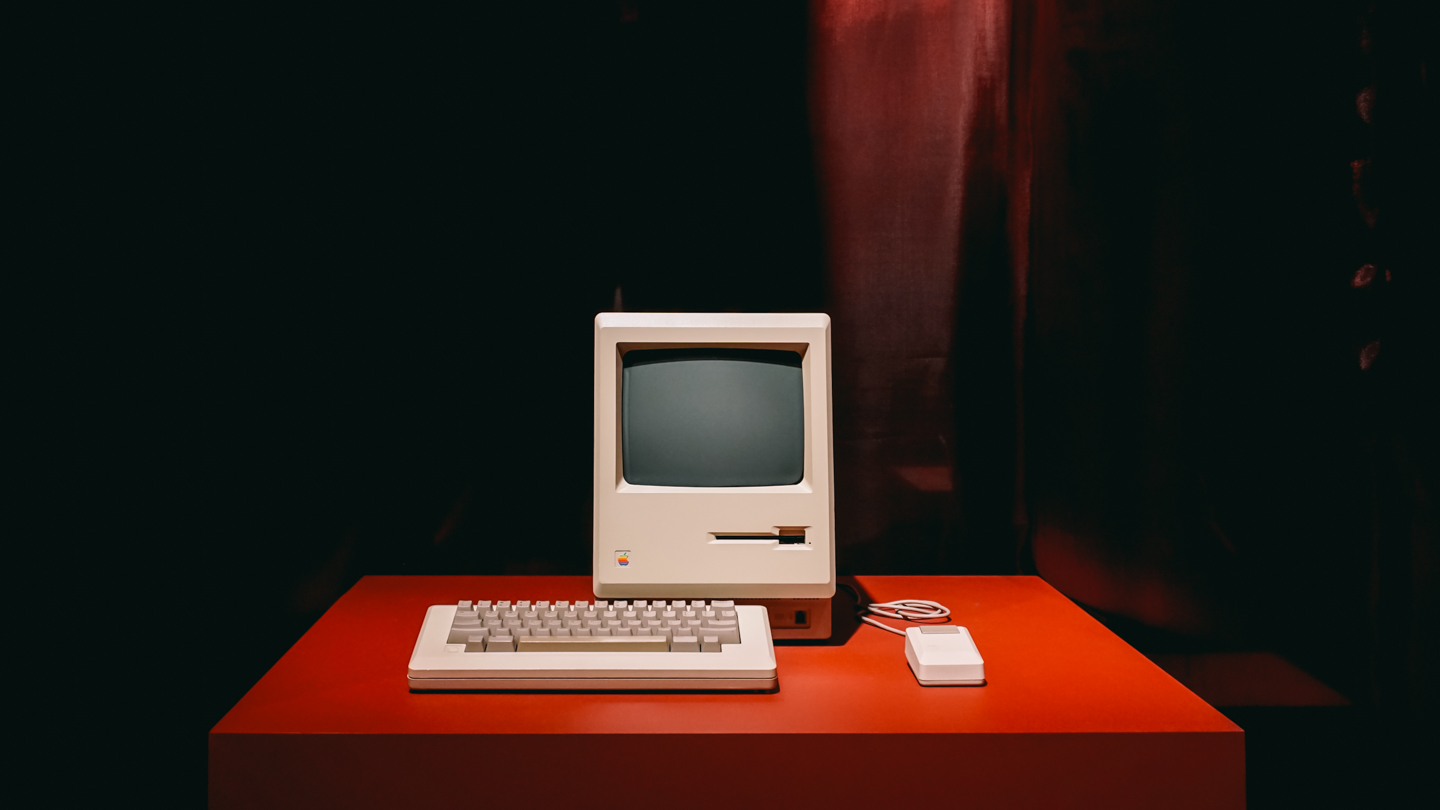
You probably heard of the Instagram Feed or the News Feed of your favorite website. We are surrounded by loads of feeds asking us to follow them to avoid FOMO (Fear of Missing Out).
My Feed doesn’t live on a website or in an app: it lives and spreads across my entire browser history. In one sitting, I can easily get triggered by a phrase, a title, or even an article and start creating sub-feeds of topics that might interest me. That’s not unique: most likely, everybody uses the Internet the same way nowadays. Then, I will visit news websites, blogs, internet forums, YouTube videos, newsletters, tune in to podcasts, and social media. This creates an infinite sequence and takes me down the Internet rabbit hole.
So far, so good. After all, that’s how our digital life is, a life full of obsessions and distractions.
Seen from the outside, that’s total chaos. I don’t bookmark, I don’t use software for remembering what I read, I don’t keep notes. In general, I don’t use anything that could save the information. In 2025, I decided that I didn’t need a second brain. I don’t want an app that saves and rearranges what I just read. Maintaining one brain is already a hard task, and there’s no need to outsource anything.
Forgetting became my filter
There’s a trend saying that we must capture and archive as much as possible. In 2025, I decided to do the opposite. I leave behind 99% of what I read. Yes, I simply let it disappear without the need to share or archive it. It doesn’t matter if I spent one night with something or if I only went through it for five minutes. It’s a conscious decision to let it go.
I actually have no guilt about that. I know: I’m a writer, and I should care more about such things. Well, here’s my take: if something I read or see or even reflect upon can’t survive for a few days or weeks without notes and archiving, maybe it doesn’t deserve to be part of my cosmos. Things that matter to me as a writer and reader should find their way back without effort. My attention is there, so the return can be through a similar text, a photo that makes me think of another image, or, at other times, just a phrase, a title, or a random trigger.
If this happens, I know that there’s more material there. And then it’s more about responding to that trigger than saving it for later.
The rest is dust and noise

I don’t have FOMO. I’m strangely okay with losing chunks of my digital life.
Good parts of the digital industry are built upon the fear of missing out. Don’t forget this vital piece of information; keep this excellent quote forever; don’t miss the chance to invest that will make you happier or wealthier. The solution is to build a new, external brain that lives on a website, a notebook, or an app. But here’s the thing: I don’t want to curate a second brain.
What I need is to filter through forgetting. In 2025, I decided that I only needed loose curations of things that stay with me.
No bookmarks, no apps that remember for me.
Even my analog notebook, where I keep notes on future writings, has become minimal. I needed to touch the core of what matters to me, of what makes me think or feel. Then, the long process of developing these into ideas that I will one day verbally narrate or write down commences.
Compared to this process, the Page (or writing a book) feels like a distant, remote planet.
Why I skipped The Feed
What I decided to call The Feed might sound like a monster. It’s not. However, it’s a greedy creature that requires constant attention. It will always need one more tab, one new bookmark, one extra click. At some point, Internet fatigue kicks in. You don’t read; you skim. And you don’t observe; you just consume.
My inner curiosity makes me always want more. But the cost I pay was always to navigate with less and less attention.
But what is really The Page?
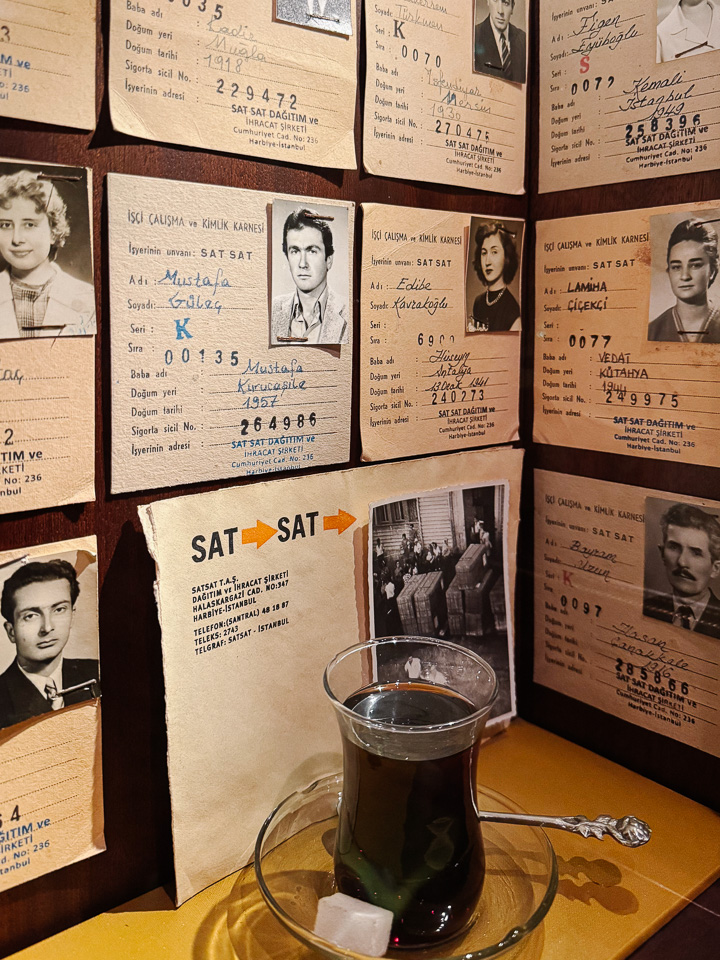
In my personal universe, The Page is the exact opposite of The Feed.
Pretty much like writing a book, The Page needs time. It needs time to distil whatever surrounds me, to digest it and transform it into something that matters to me, with the hope it will matter to the people reading it. Here comes the layer of responsibility.
As a form, the Page insists on a structure based on something more than curiosity: genuine interest. It doesn’t matter if the end result is good or not. That’s secondary and, to a greater extent, a matter of how one works and develops an artistic vision.
There has been a clear development throughout the last years, not just in 2025. I read more than I write. I don’t care to find a ratio; something like: for every X number of tabs, I wrote Y number of paragraphs. That’s irrelevant to me.
What matters to me the most is to observe if the ideas or information that stayed with me through different phases of my life were rightly converted to writing: the blog posts that you read, the books I wrote and the ones I want to write, the thoughts I put on paper. I don’t believe in tons of ideas under development, which can easily make everything sound too noisy to create.
And here’s where I believe a big part of the battle of The Page vs. The Feed is spent: I can only develop a few ideas per year and write them down. The Feed? Well, it can produce dozens per hour. And I learned the hard way what that means: the excess won’t let you develop any of them most of the time.
Why I prefer The Page
This imbalance helps me navigate through my mind and feelings. I prefer a slow process where what matters stays with me and gets transformed into something. Sometimes it’s a blog post (that I may or may not be proud of in the future). Other times, it’s a book (that I may or may not finish).
In 2025, I also distanced myself from current affairs. No, it doesn’t mean that I don’t read the news or that I don’t follow what changes our lives. But what I tried to do was to reduce the mental background noise they created. I wanted to keep the vital space for writing and thinking free of the dust and noise of everyday events, no matter how much they can alter my daily life.
What I had to embrace (or sacrifice)
I might sound too sure about my choice right now. It wasn’t always like that.
To liberate myself from the fear of missing out and adopt forgetting as a valuable filter, I had to accept the fact that I would lose things. I don’t mean meaningless stuff that I would endlessly scroll. I talk about brilliant, memorable, mindblowing, irresistible, and unique things that I would never find again.
Yes, I’m okay with losing the opportunity to bookmark fantastic articles, print high-quality essays, create shareable links for friends, and screenshot or save images that make me daydream. A second brain would serve exactly that purpose and avoid this multilayered failure.
However, I accepted this as a reasonable price to pay for staying focused on what I want to remember, write about, and use as material for the creative process. Sure, my writing life might become more difficult this way, but in the end, that’s how I learned to write and loved it for almost a quarter of a century.
This battle seems to be about stories and their transformation, after all. The stories of others that pass through (or next to) me, and the stories I decide to mix with my own, and create something that gives pleasure. For these stories, I don’t need either an algorithm or a second brain.
This year’s decision was therefore a shift in focus. I wholeheartedly sacrificed the Feed, and I embraced the Page. The battle is ongoing. Let’s see if I can keep up with this decision.
2025 Year Review: Final Thoughts
As I often write, the last post of the year is the only one that turns into a self-referential rant. While everything else I write is destined to help people travel better, I always want this post to be something about me. It’s not about ego: it’s mainly because I want the readers of this travel blog to get to know the guy writing all these articles better.
From the bottom of my heart, I want to thank each one of you for being part of my journey to the blogosphere. It doesn’t matter if you only read an article once and never return, or if you’re constantly reading the Letters to Barbara. For me, everyone who spends some time here is part of this journey that will soon enter its eighth year. And this means a lot for someone who tries hard to focus on what matters.
So, here’s to a happy 2026!
Read more: All my “Year in Review” articles
Pin it for later
Sharing is caring. Share my 2025 Year Review with your friends.