

Last Updated on August 1, 2026 by George Pavlopoulos
When I saw that the Whitney Biennial coincided with my journey to New York, I knew that I had to make time to visit it. From my first journey to NYC, the city felt deeply connected to art, and I wanted to see the exhibits at the Whitney up close. And so, on a cold early spring morning, I made my way to the famous museum, curious to see what the Whitney Biennial would present and reveal about contemporary art.
Indeed, what I found was an exhibition very closely tied to the city. The museum’s location already creates a special atmosphere: the windows overlook the Hudson River and the skyscrapers, adding an even more territorial aspect to the experience. In the interior, the exhibition posed various questions about memory and power, identity and technological influence, and, above all, the idea of America.
There’s no lack of iconic museums in New York, and a traveler can shape their days around MoMA or the Guggenheim. The same goes for the Whitney, which feels like part of a wider route and deserves to be included in your itinerary, as I already wrote in the NYC travel guide.
In the following lines, I will share my impressions of the Whitney Biennial and pair my favorite artworks with photos.
*Some links are affiliate links. It means that if you purchase something, I might earn a small commission at no additional cost to you.
The Whitney Biennial Avoided Easy Replies
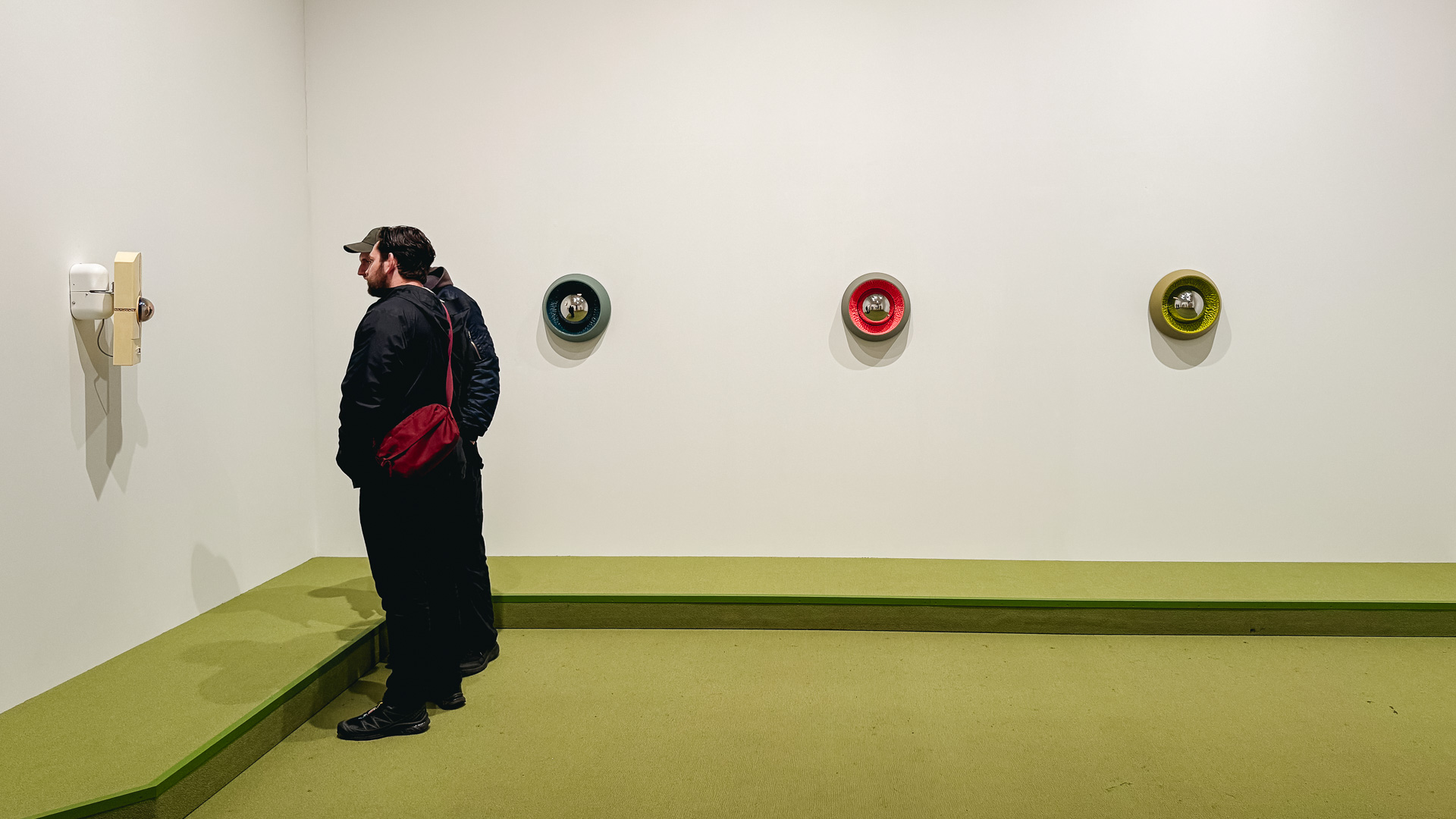
Centered on America, the Whitney Biennial 2026 (runs through August 23) avoided quick, easily absorbed responses. This was already apparent from the opening text. And this makes sense because a vast country cannot be explained or defined via a single curatorial statement. On the contrary, it was the heart of the question that ran persistently through the exhibition grounds: “What does it really mean to call something American?”
The Biennial brings together artists from across the USA as well as artists connected to places shaped by the reach of American power and dominance. This, of course, opens a bouquet of comments and associations around the exhibition’s core question: ecology, family bonds, high tech, memory, and geopolitics.
One thing to appreciate is that the Whitney Biennial didn’t force anything and therefore avoided incorporating these themes into a wider narrative. On the contrary, the Biennial remained open to explanations, even if the artworks dealt with the civic space or the body, with reproduction or private memory. As a visitor, I felt comfortable navigating its premises and forming my own idea of what was going on.
Why the Whitney Biennial Mattered to Me
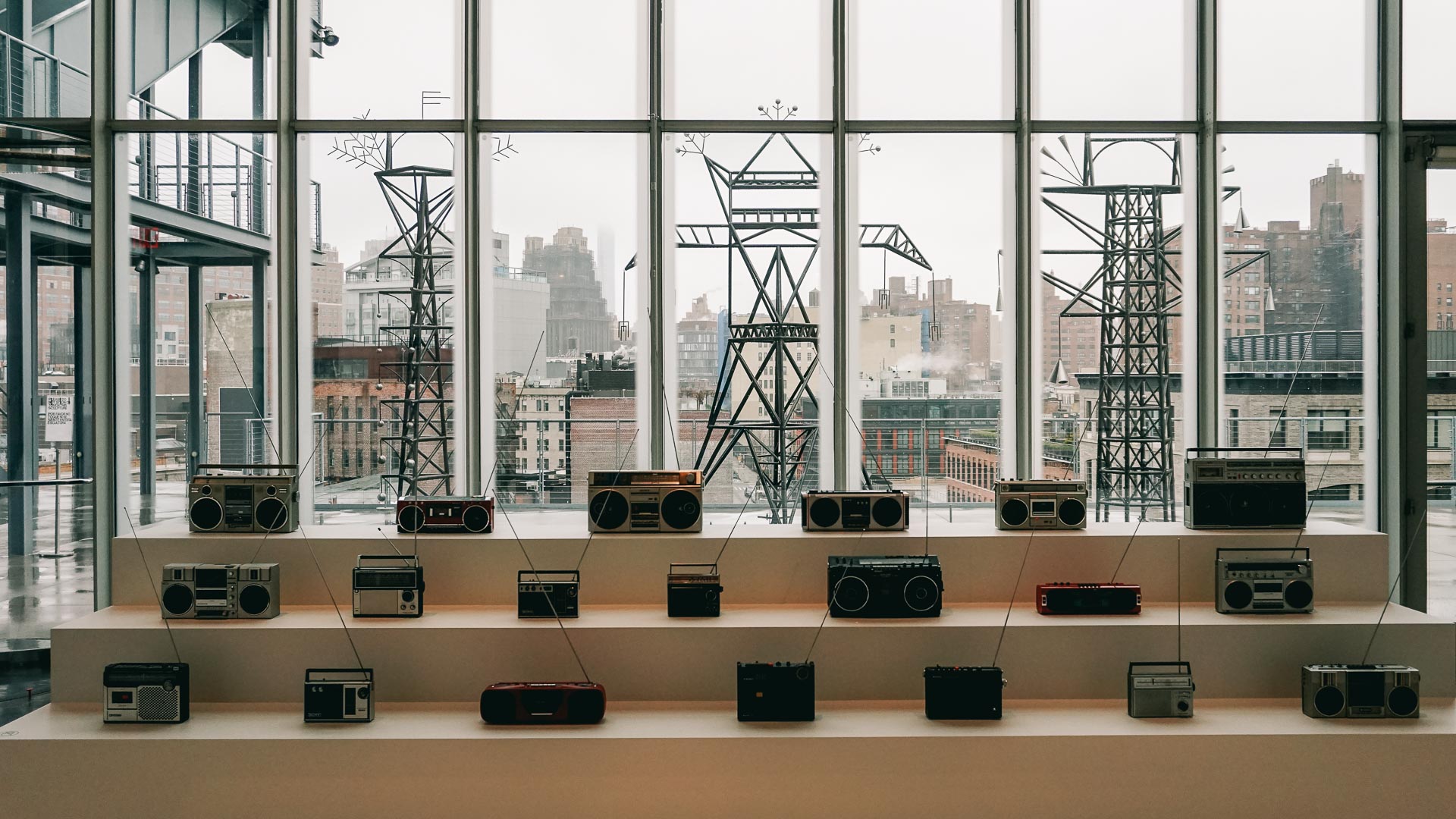
This openness suited the Whitney but also New York itself. Ever since I visited the Istanbul Biennial, I have kept thinking how important it is for me to see exhibitions that don’t feel sealed off from the city outside. As I grow older, I appreciate museums that don’t ask me to forget what is happening in the host city. Instead, I prefer to feel the dialectic with the city, and that’s how I felt at Whitney, too.
The windows overlooking the river somehow constantly pulled the city toward the Biennial’s core question. New York couldn’t be absent from such a question: the skyline, the diffused light due to the overcast, the buildings, the street traffic, all these were reminders of the city’s scale and of the country itself.
Sure, it would have been a great exhibition if it had been hosted elsewhere, I have no doubts about that. Manhattan never fully disappeared, and neither did the Hudson and the life on the streets, the same (or similar) streets that shaped the vision of the artists presented. In that sense, space feels equally important as the content itself, something I also kept thinking about during my visit to the Venice Biennale (and there the connection felt even stronger).
The Works That Stayed With Me
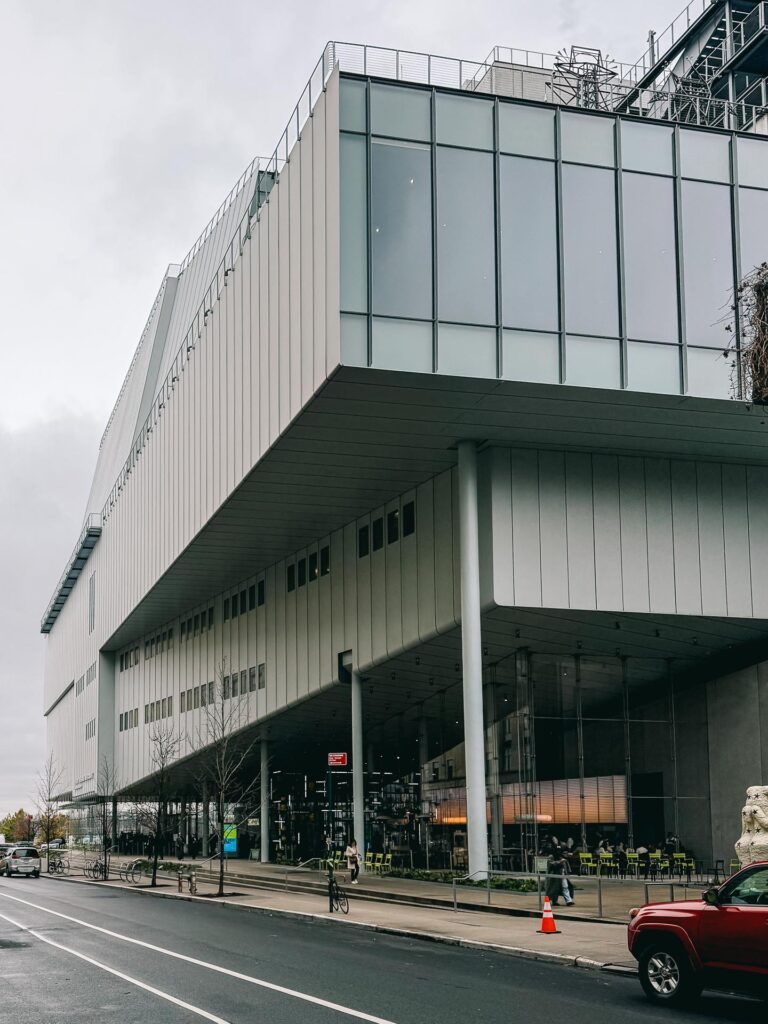
While it’s always a tad unfair to select one’s favorite artworks from an exhibition, the truth is that if I included everything, this article would probably have been unreadable. Instead, I will focus on the ones that stayed with me in the days and weeks after my visit.
Whitney’s Emotional Center: Felix Gonzalez-Torres and the Question of America
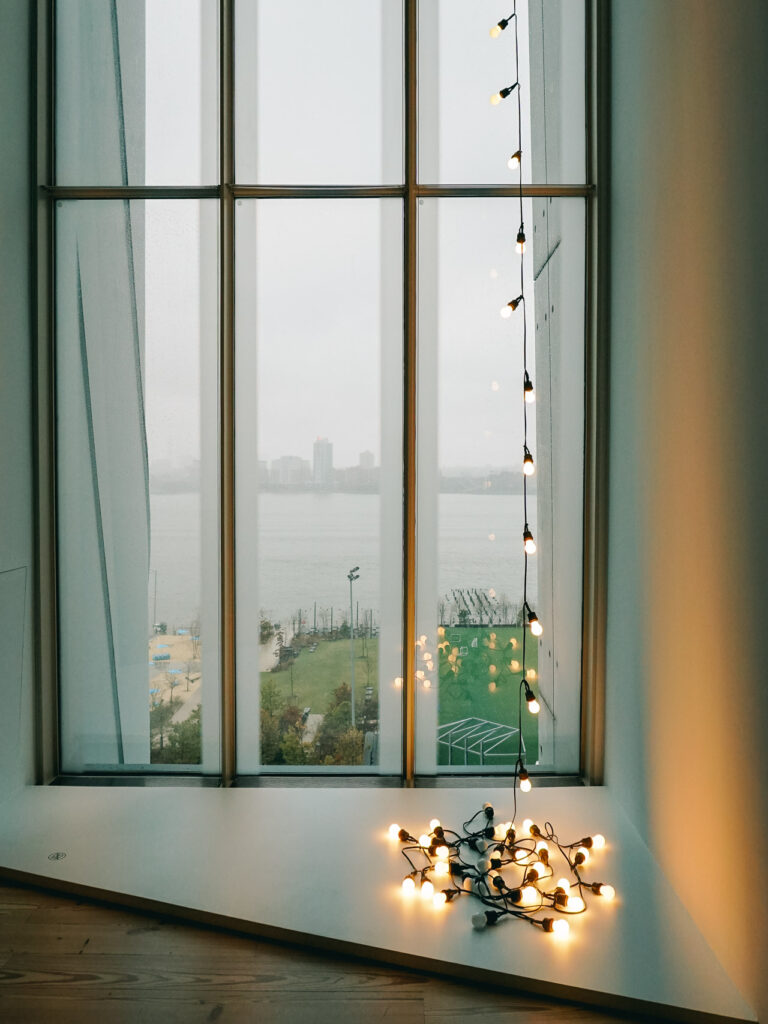
I guess it makes sense to write about Felix Gonzalez-Torres and the “Question of America” first.
That’s the artwork you’ll probably see first when entering the Whitney Biennial, and I believe that it’s the exhibition’s emotional center. Gonzales-Torres described America as “an unattainable dream, a place of light and opportunity, but also of racism, injustice, hunger, excess, pleasure, and growth.”
This contradictory opinion somehow shaped the exhibition itself. His work, made of strings of light bulbs, carried the fragile substance of its opinion about one’s existence in America, and the fact that it comes without instructions and can be installed in different ways conveys a message identical to his statement.
Behind the flickering light, the city remained visible, maybe because New York is a city of promises, projections, and myths. And this might offer a first, subtle layer about what America is.
Cooper Jacoby
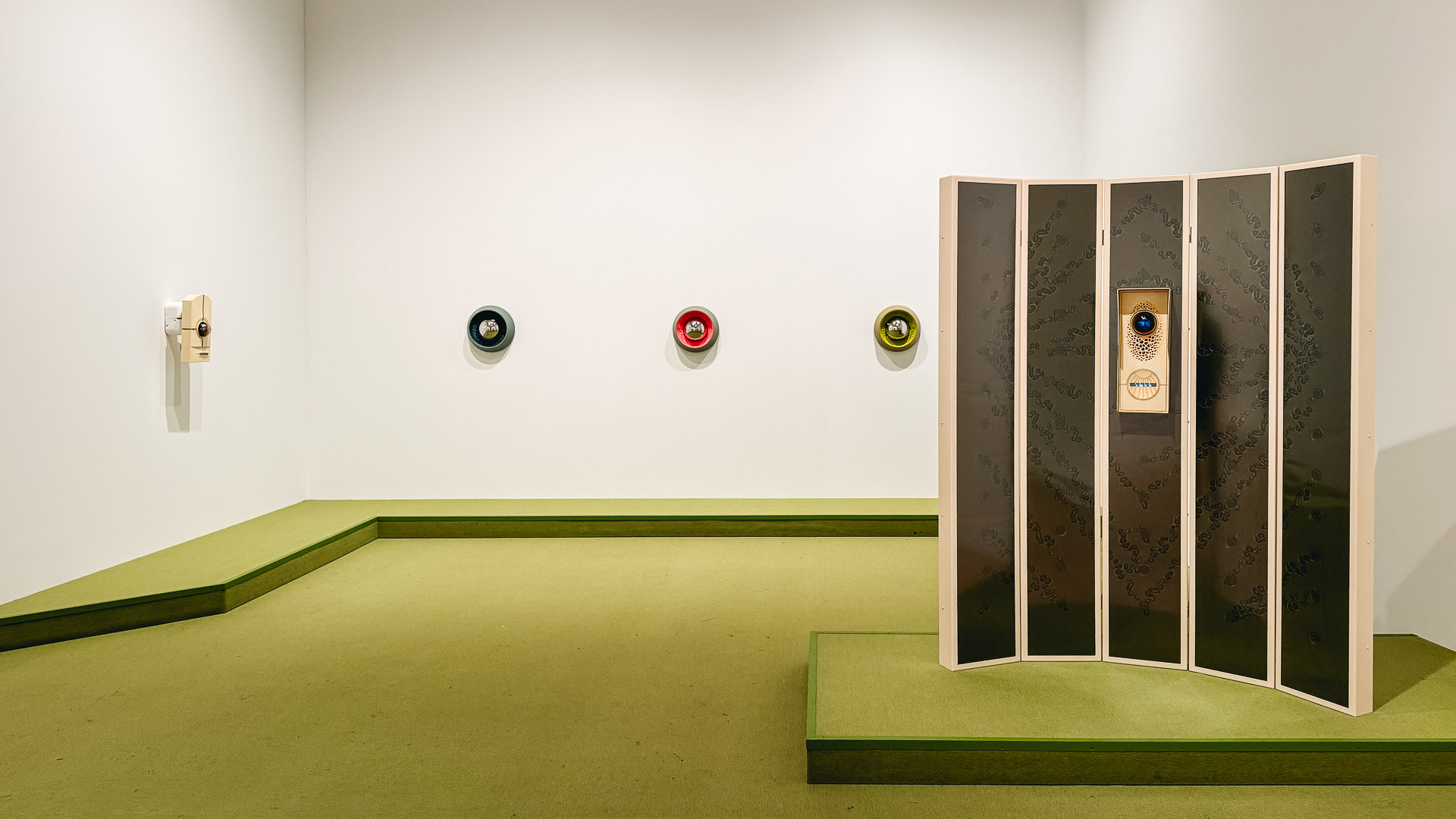
Cooper Jacoby’s work, “Mutual Life,” was among the ones I kept thinking about for a long time. I perceived it as a universe that deserves to be observed, even though it was hard to explain everything about it.
In one series, for example, the sculptures had the form of clocks whose hands are made from real teeth. This was most likely tied to the idea of biological age rather than chronological age. According to the museum’s available information, this was inspired by the Jacobys’ experience with an insurer that offered them a discount for genetic testing.
In another work, sculptures used AI models fed with social media posts from deceased persons. Jacoby brilliantly had the pieces to speak and narrate from simulated memory. Eerie, for sure, but as creative as American art can get.
This was highly engaging and, in a weird (or shall I say morbid?) way, touching. All those relatively cold objects (like teeth, clocks, insurance, data, technology), brought together, felt unsettling and carried a weird duality: it felt both intimate and impersonal. In my view, it was as if technological advances became a bodily experience.
Emilio Martínez Poppe
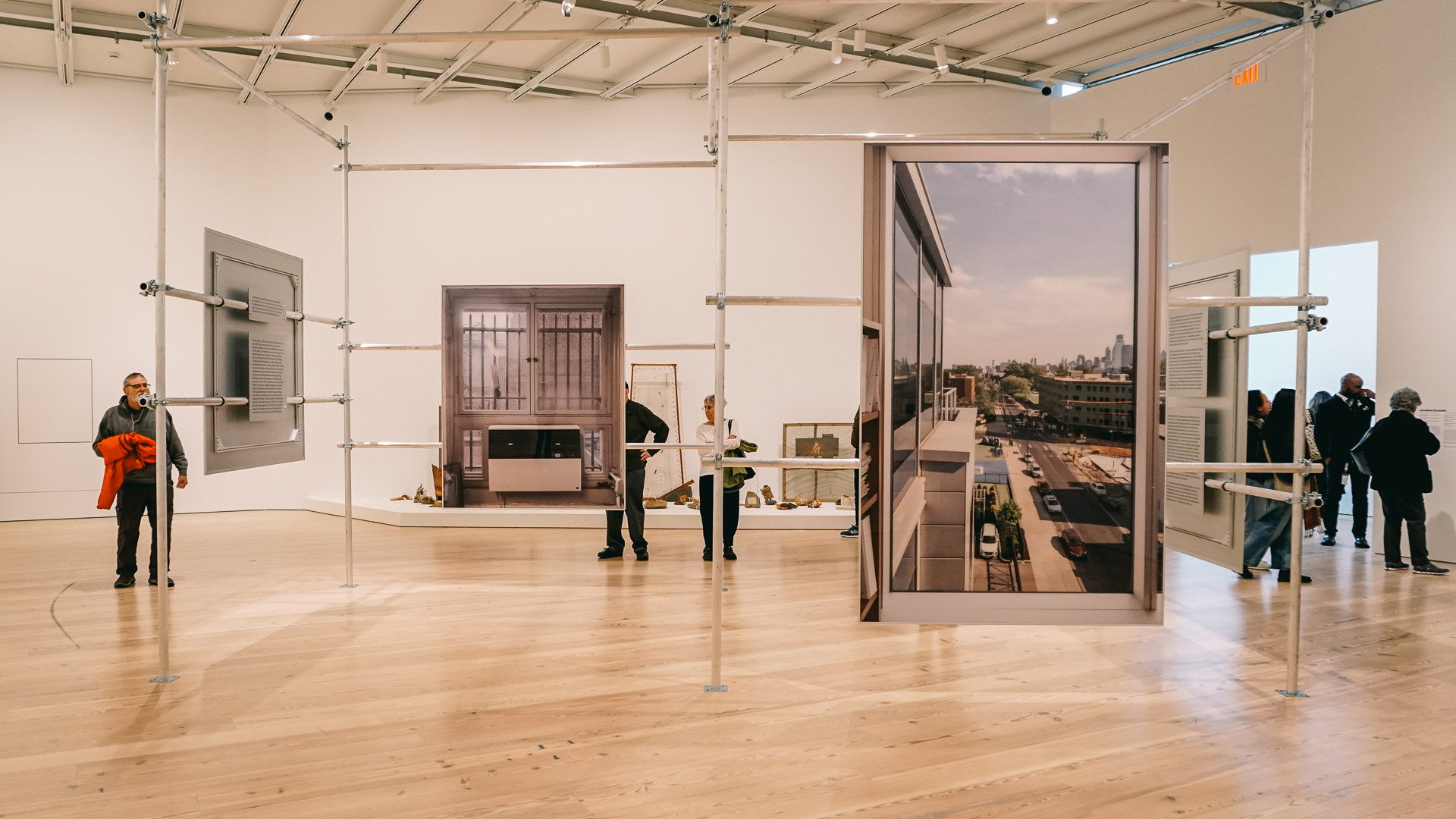
In the introduction to this article, I briefly wrote about civic spaces. The truth is that I had Emilio Martínez Poppe’s Civic Views in mind. Poppe visited more than 20 Philadelphia government agencies, where he interviewed employees and photographed views from their office windows.
While it might not be the fanciest idea, I was impressed by how Poppe handled the theme, delving into broader questions about public institutions and civic visibility while subtly commenting on architecture and governmental structures. The fact that viewers look out from within a bureaucratic space rather than from the outside is often intimidating: it’s as if someone could see how their everyday life is shaped.
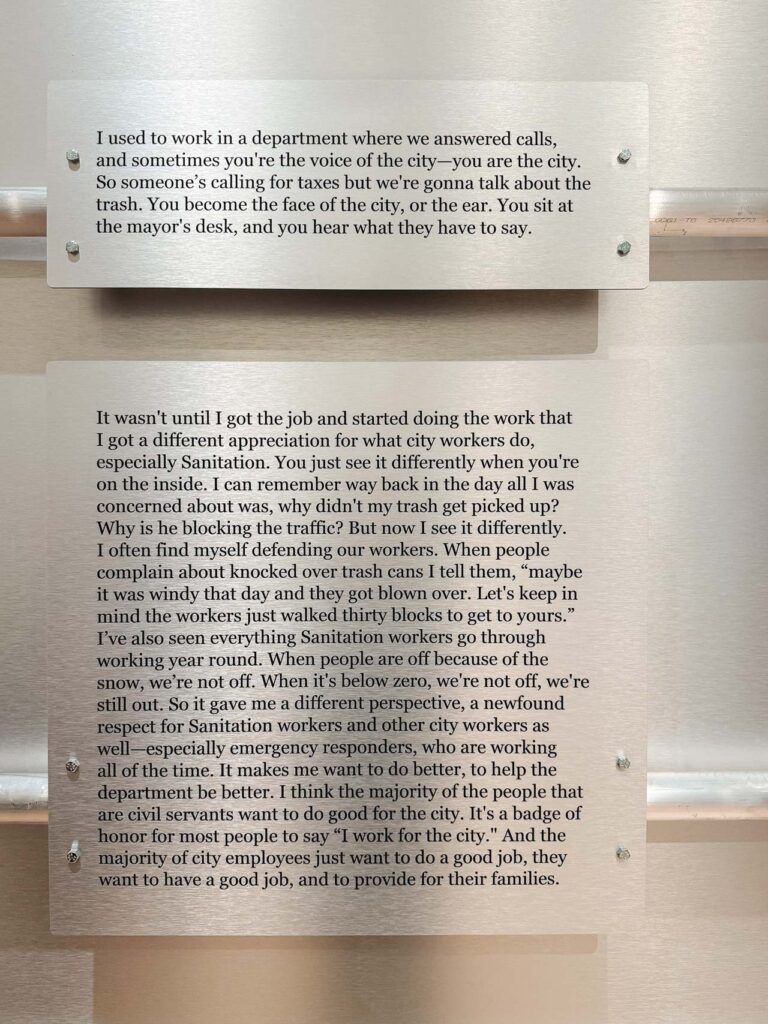
It was a work that, in a way, enlightened my visit and expanded the core question. Apart from ideas and symbols, America, to a foreigner like me, seemed also administrative and procedural. Civic Views was among the most political artworks I saw at the Whitney Biennial, and I appreciated it a lot.
An American Lineage in the Background
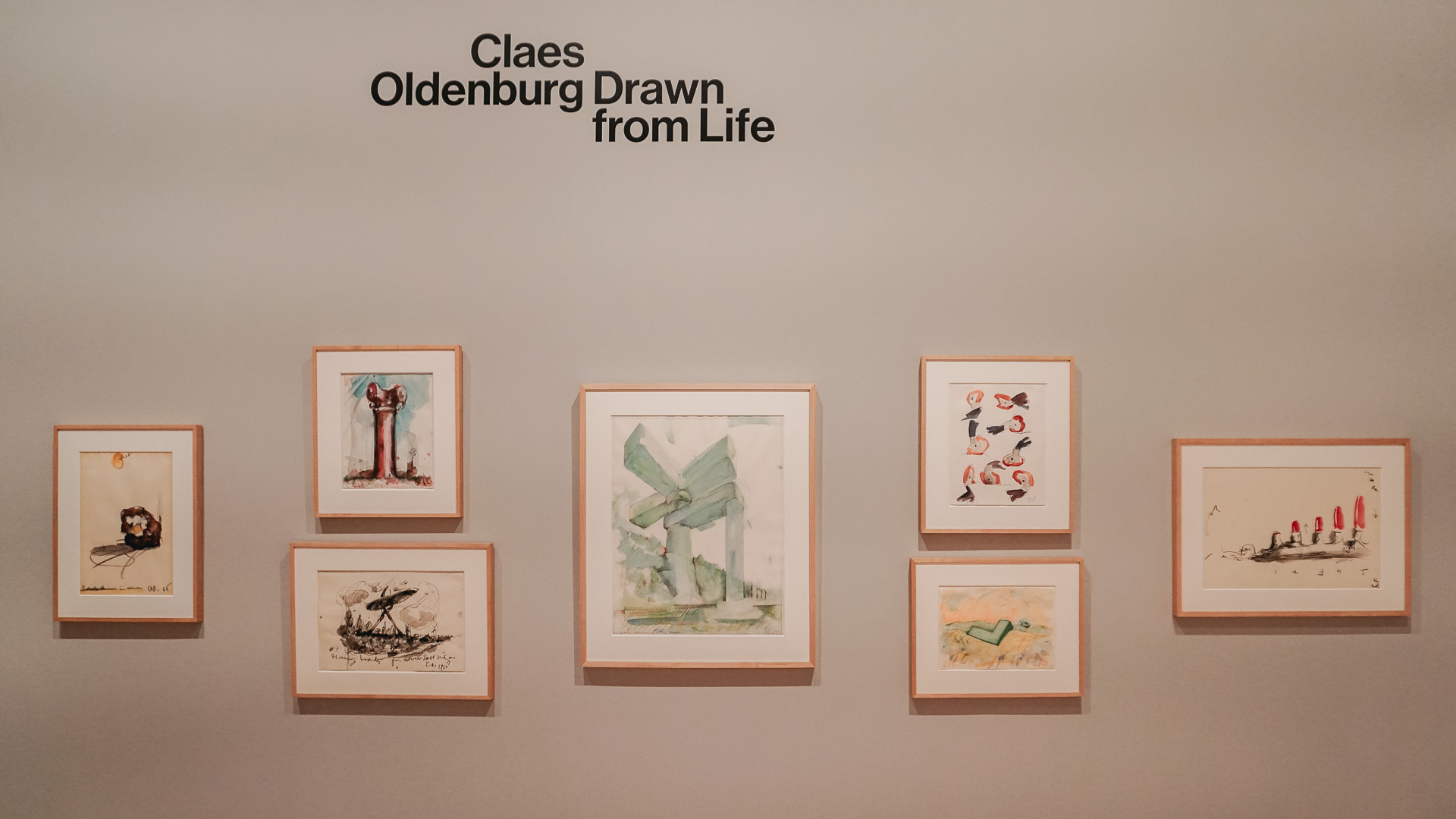
Interestingly enough, in a quiet space of the exhibition, the Whitney presented an American artistic lineage. Wall texts connected contemporary concerns to artists who visualized the everyday language of America through media such as collage and mass-produced elements.
Iconic artists like Warhol, Jasper Johns, Rauschenberg, and Nam June Paik served as reminders that American art (and the question of what America is) has been shaped for decades by ordinary objects that lack inherent value. This fluid border between culture and consumption was often used to define, and perhaps to separate, America from the rest of the world, and this section highlighted these layers.
In that context, Claes Oldenburg played a pivotal role in this section. The text about his work described how drawing, urban life, everyday objects, and exaggerated scale shaped his work. Transforming the ordinary through a variety of materials, as well as through anxieties and agonies, felt like a cornerstone of the Biennial at the Whitney.
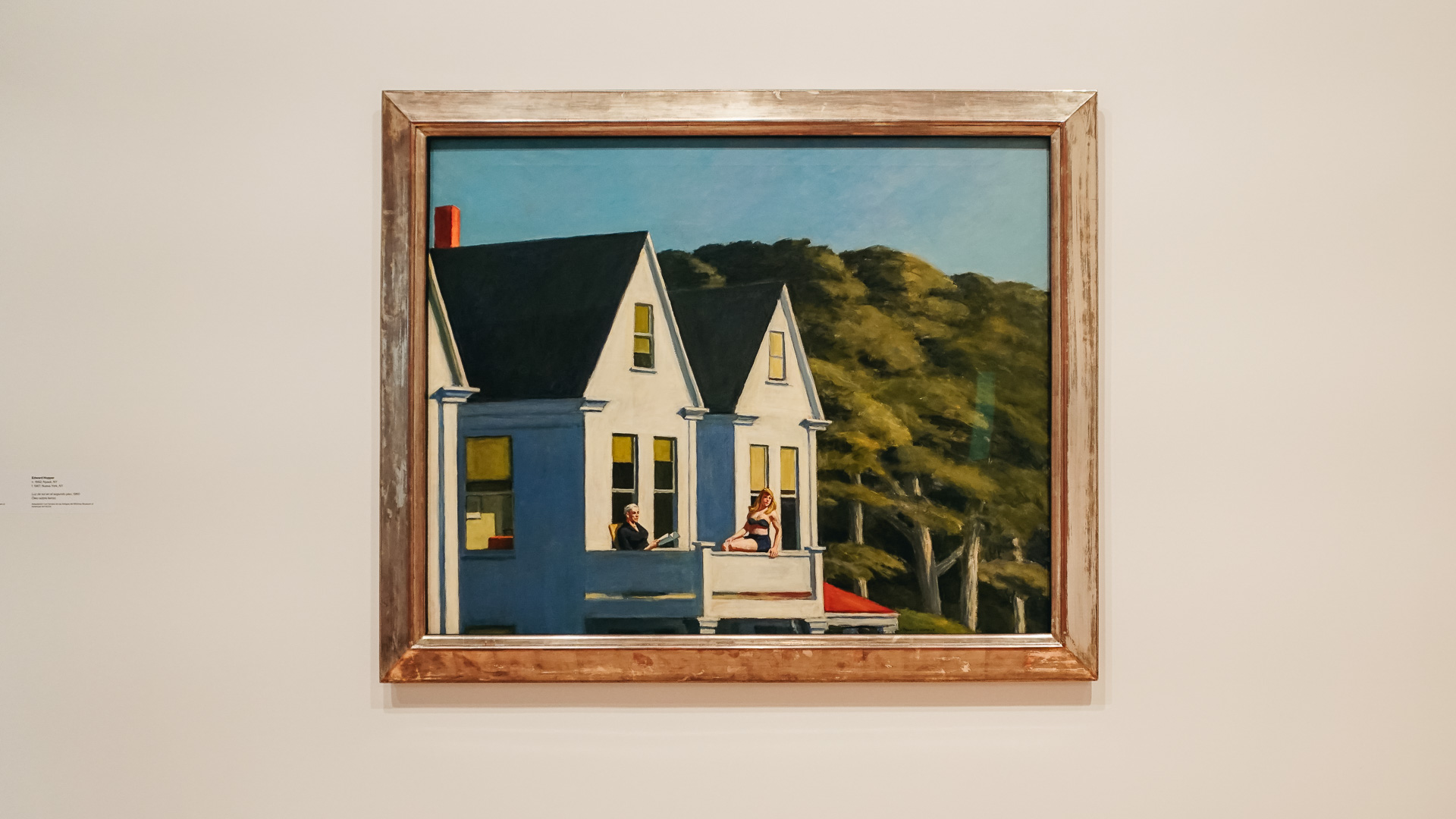
This open dialectic between older and contemporary artists seemed to expand the Biennial’s questions. In addition, contemporary artists, drawn by the transformation of ordinary objects, seemed to repurpose this intention: what does everyday life now contain, and what is taken for granted as ordinary? Replies such as bureaucracy, surveillance, broken systems, technological advancement, and loss were explored through the museum.
Reflections about what the Whitney Biennial Suggested
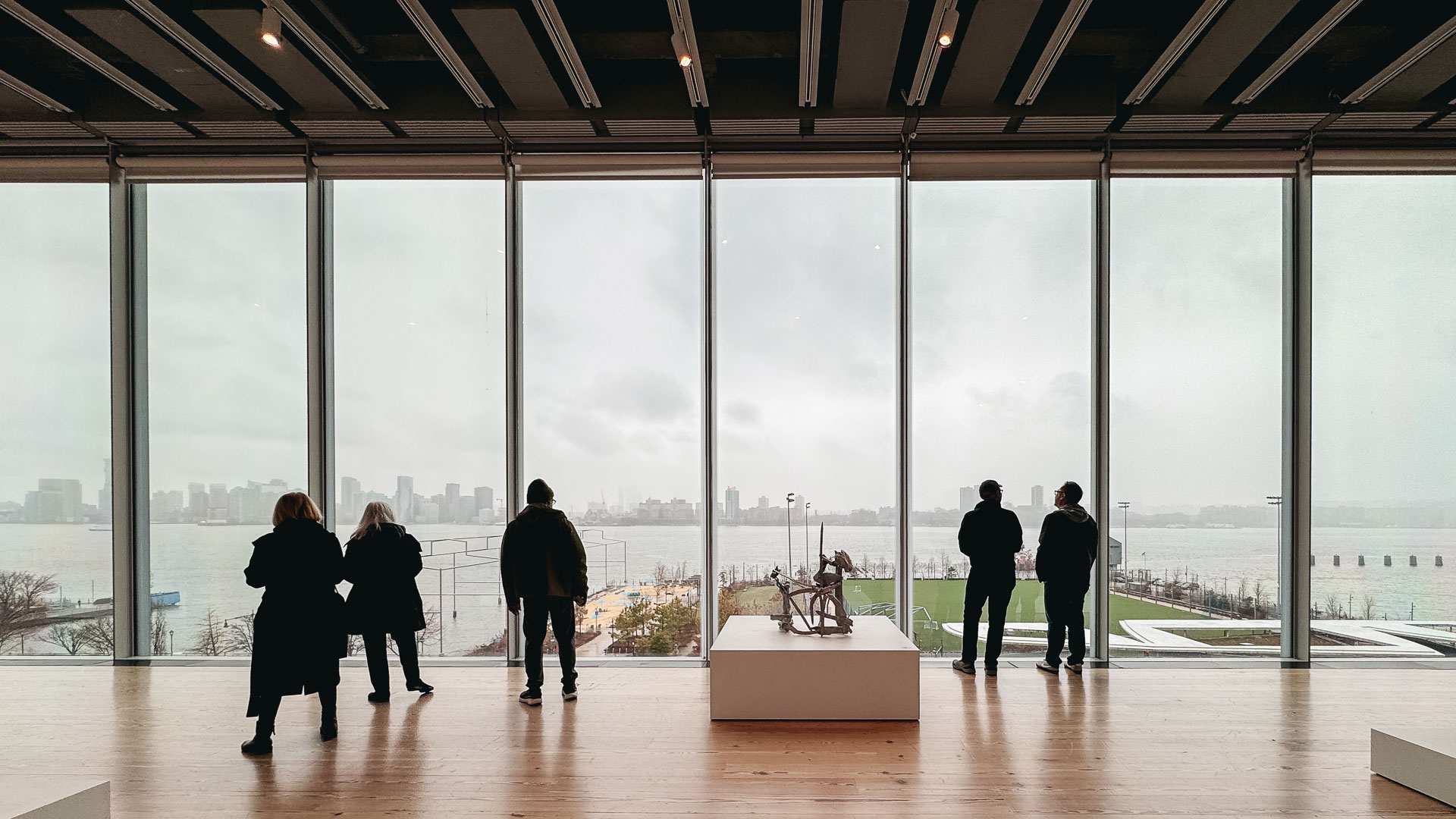
I strolled through the exhibition for hours. I stopped in front of the wide windows, and even after I left, I kept thinking about what the Biennial was suggesting. It wasn’t easy to frame that, because the artworks were powerful, and it takes time to absorb everything (or at least as much as I could).
So here I will write down the scattered thoughts I had, which I actually kept in my phone’s notes.
First of all, I believe that the Biennial was balanced. This means it didn’t focus on a single artwork or just a few artworks to convey its meaning and intention. I felt that the question of what America is was slowly built, as if it had to accumulate its force in every step I took at the Whitney. Adding layers of systems, bodies, surfaces, civic structures, identities, and broken systems meant it sought to present various aspects as a fluid body. Overlapping artworks and artists’ experiences created a canvas that felt both unsettling and optimistic.
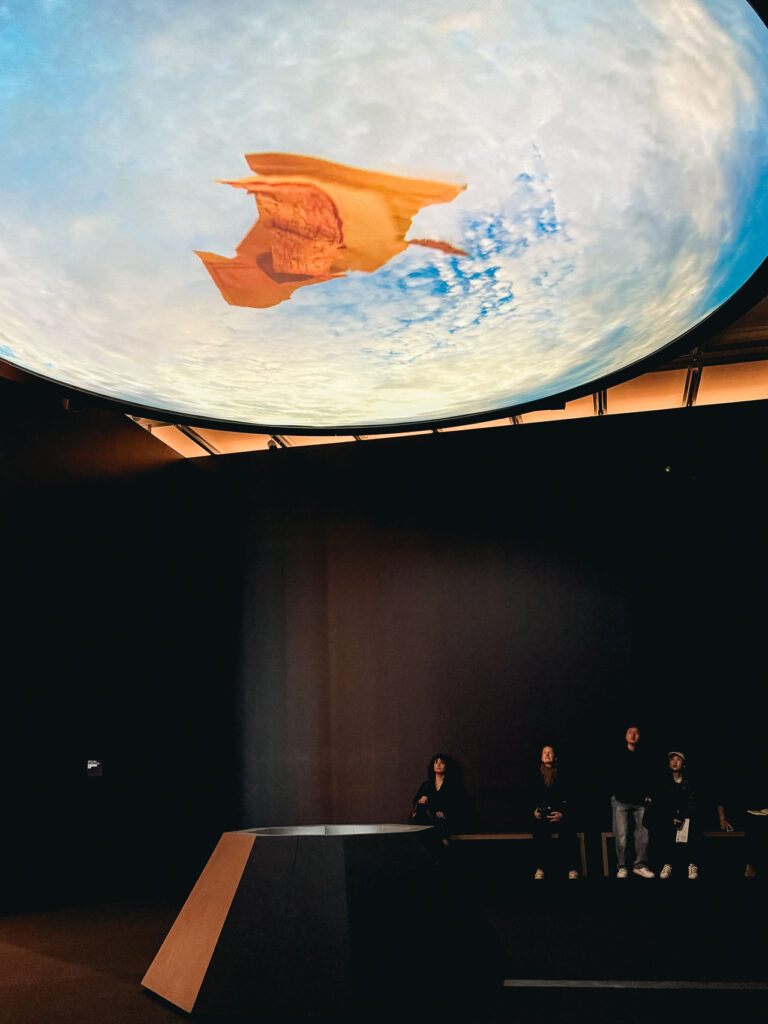
That being said, I was also pleased to see that the Whitney Biennial didn’t attempt at any point to flatten an entire territory into a slogan. It also didn’t take an easy path to hide America behind vagueness or a message that is way too open to comprehend. From the entrance and Torres’ work alone, it became apparent to me that the exhibition would be about contradictions.
Obviously, an aspect I appreciated a lot was that, as I mentioned in the introduction, New York as a city was omnipresent. I felt that the city’s mood was digested and transformed, and paired with the Whitney, both as a building and an institution, sharpened the recurring word/meaning of America. And I firmly believe that the fact that “America” kept expanding as a term and didn’t close down was the true success of the Whitney.
The Whitney Biennial 2026: Final Thoughts
The Whitney Biennial 2026 offered me a way to see New York through a new prism. It wasn’t life-changing, but this would have been too much to ask from any museum. However, it layered American life with larger questions about identity and public life.
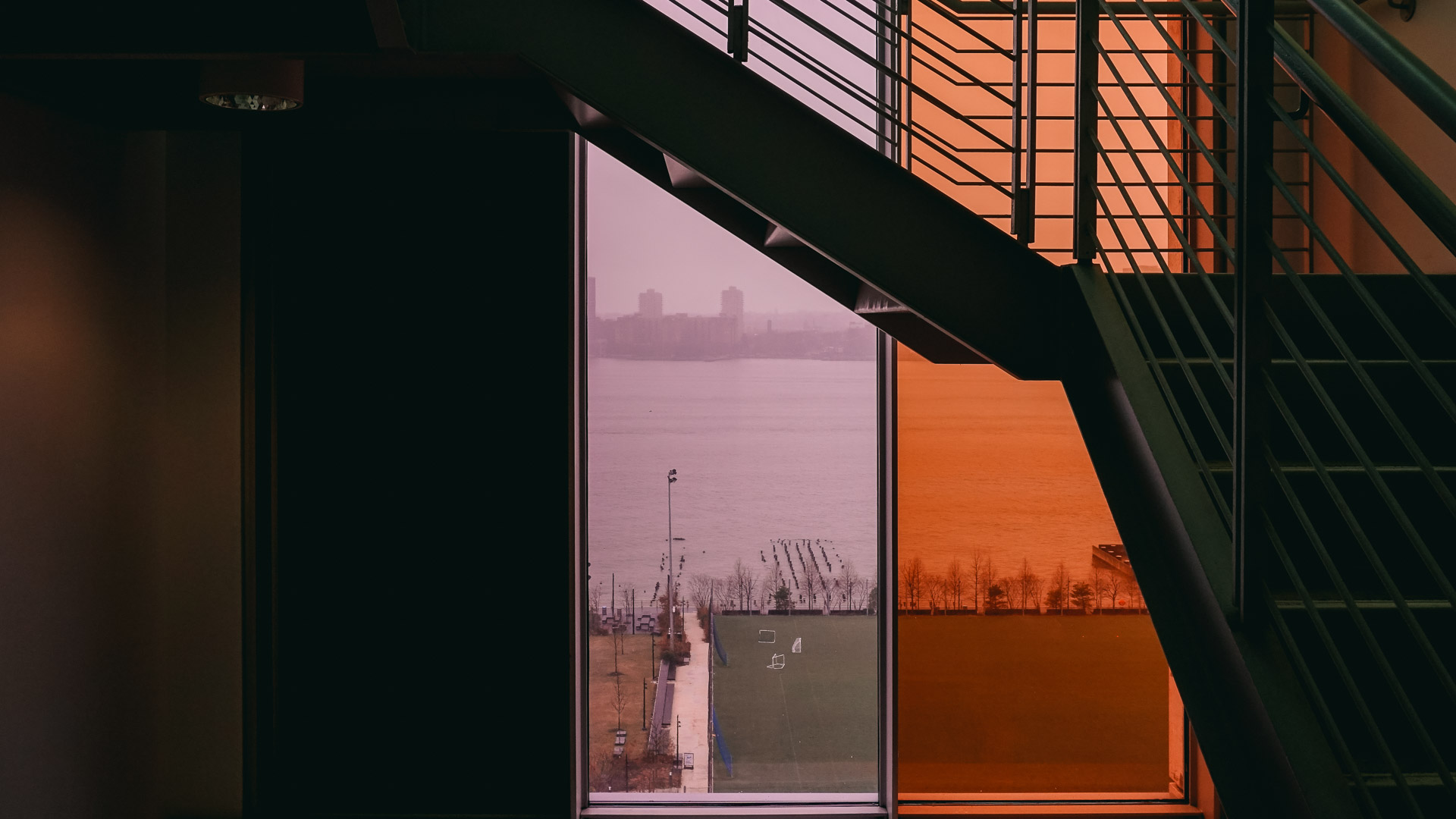
The works that stayed with me didn’t fully answer the question of what America is. This wasn’t their purpose anyway. But what they did for sure was make the term “America” less rounded, much richer, and definitely broader. With parts of Manhattan and Jersey City visible, and the Hudson River dividing and connecting them, this was perhaps the only way to convey the meaning of America: non-fragmented, expandable, and a word that remained strong throughout the Whitney.
Read more about New York: An NBA Game at MSG, My New York Travelogue, The NY Easter Bonnet Parade, Ellis Island
Pin it for later
Sharing is caring. Share this article about the Whitney Biennial with your friends.