
Last Updated on September 7, 2026 by George Pavlopoulos
Dear Barbara,
It’s the water that returns first in New York. Not the buildings, despite being everywhere and occupying the entire horizon. Not the avenues, even though they were drawn as if the cosmos should be understood if divided into straight lines. Not the museums, the steam, the cabs, the bagels, or even the faces that appear for an instant in front of you and vanish forever.
The water returns first.
The East River at Brooklyn; the Hudson behind the glass of the Whitney; the harbor on Manhattan’s edge. That flowing grey-blue surface separates things without dividing them. The currents carry the fatigue and hope of millions. One could even say that New York City never abandoned Ellis Island: it examines faces, it wishes them luck, and then sends them to do something on its soil.
Something.
Reflections on the Verticality of New York
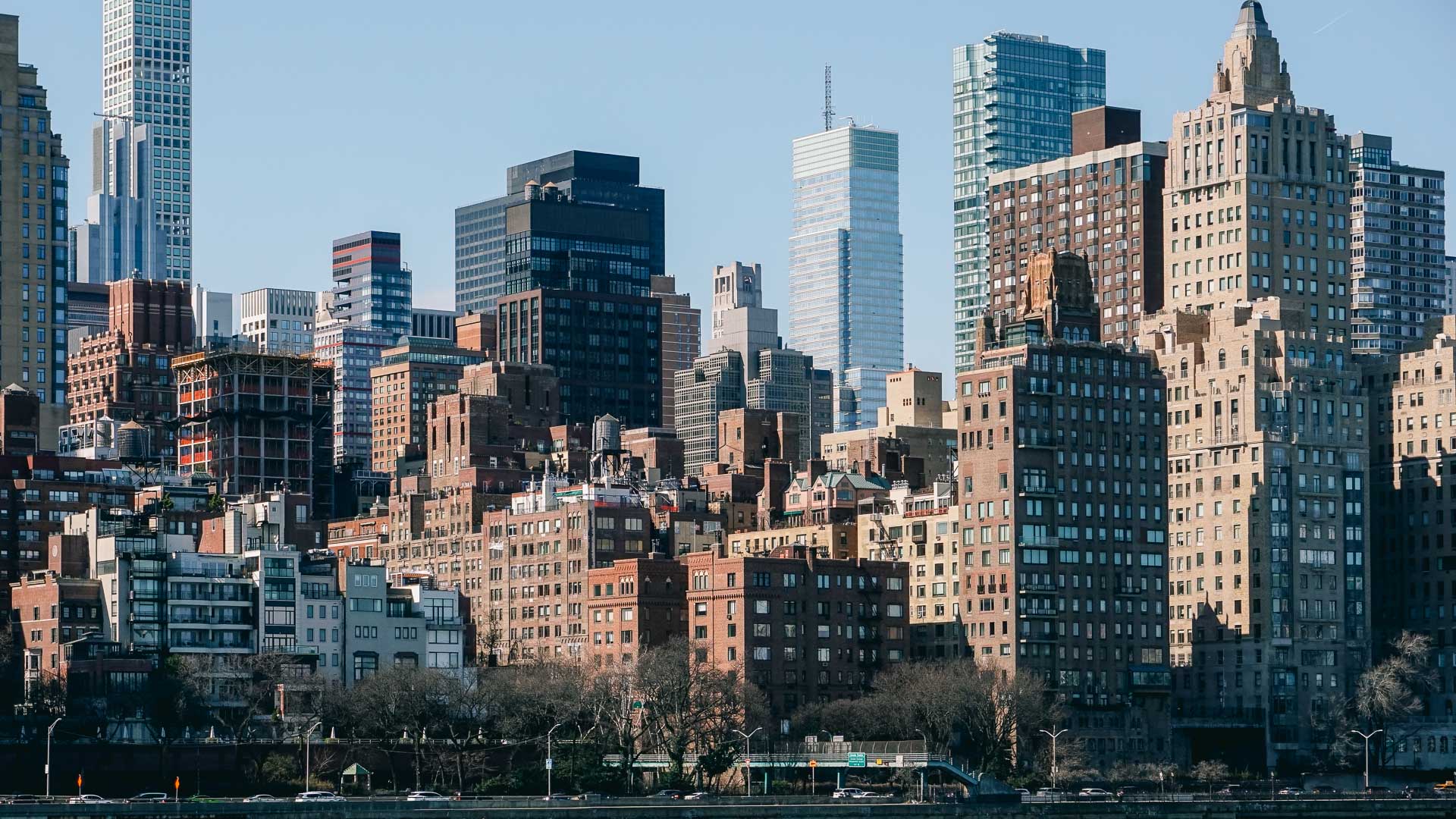
During my days there, I perceived New York as a vertical body of work. Seeing it from a distance, I now know this is a mistake and a misconception stemming from the visitor’s enthusiasm. Lifting the head, the neck hurts, the body obeys the skyline in awe, and feels the fever and the thirst.
One arrives from smaller yet big cities only to accept the scale. Here, everything is taller, faster, more determined, more expensive. The shadows have ambition, the steam too. At times, New York feels like a delusional dream when you live it in the present tense.
Then, returning to a defeated-by-expectations European city, New York flattens as well. Instead of a glorious skyline, the city starts feeling like a shoreline. The skyscrapers remain, of course, but now they stand like poles next to the sea. The bridges, which I love seeing and observing wherever I go, stretch like springs over the water.
Commuters, tourists, runners, photographers, exhausted workers, children, couples who will separate in less than a year, men in suits, women with wet hair, dogs with better coats than their owners, all of them cross the city at a pace. That pace is not steady, yet it is always dictated by scale.
Human flags and other fleeting images
Choreography. That’s what I now have in mind whenever I remember New York. People trying to navigate Manhattan; phones rising to capture something, whatever. Crying kids and people against the wind.
The city shines across the water.
Sooner or later, I’ll find myself on a promenade; its name doesn’t matter that much. I watch the people. That’s an old habit of mine when I try to navigate cities. It is as if this eternal coming and going will reveal a secret about local life. But that’s always a lie; I know that already. But I enjoy seeing the jackets, the scarves, the bags, everything that the wind can make fly when it blows from the water. On afternoons like this, those backlit figures become human flags.
Crossing Brooklyn Ferry and Walt Whitman is there
I think of Walt Whitman. I know he is still there, standing somewhere near the ferry, fully bearded and staring at the crowds. It might be that democratic appetite of his that somehow dictates to me how to perceive that fleeting crowd boarding the ferry. The city belongs to locals as much as it belongs to strangers who just pass through it.
The openness of New York is comforting. You don’t have to understand or own something in NYC to be part of it. A moment of commuting is probably enough to engage in an old conversation with Whitman. He saw the people crossing between Brooklyn and Manhattan and imagined the future crowds, people like us, faces that would stand there centuries after him and look at the same water in different clothes, with different hopes, and with a more developed sense of loneliness.
To stand near the water and look across for several minutes doing nothing: that’s a solid New York City memory.
Everything becomes fragmented
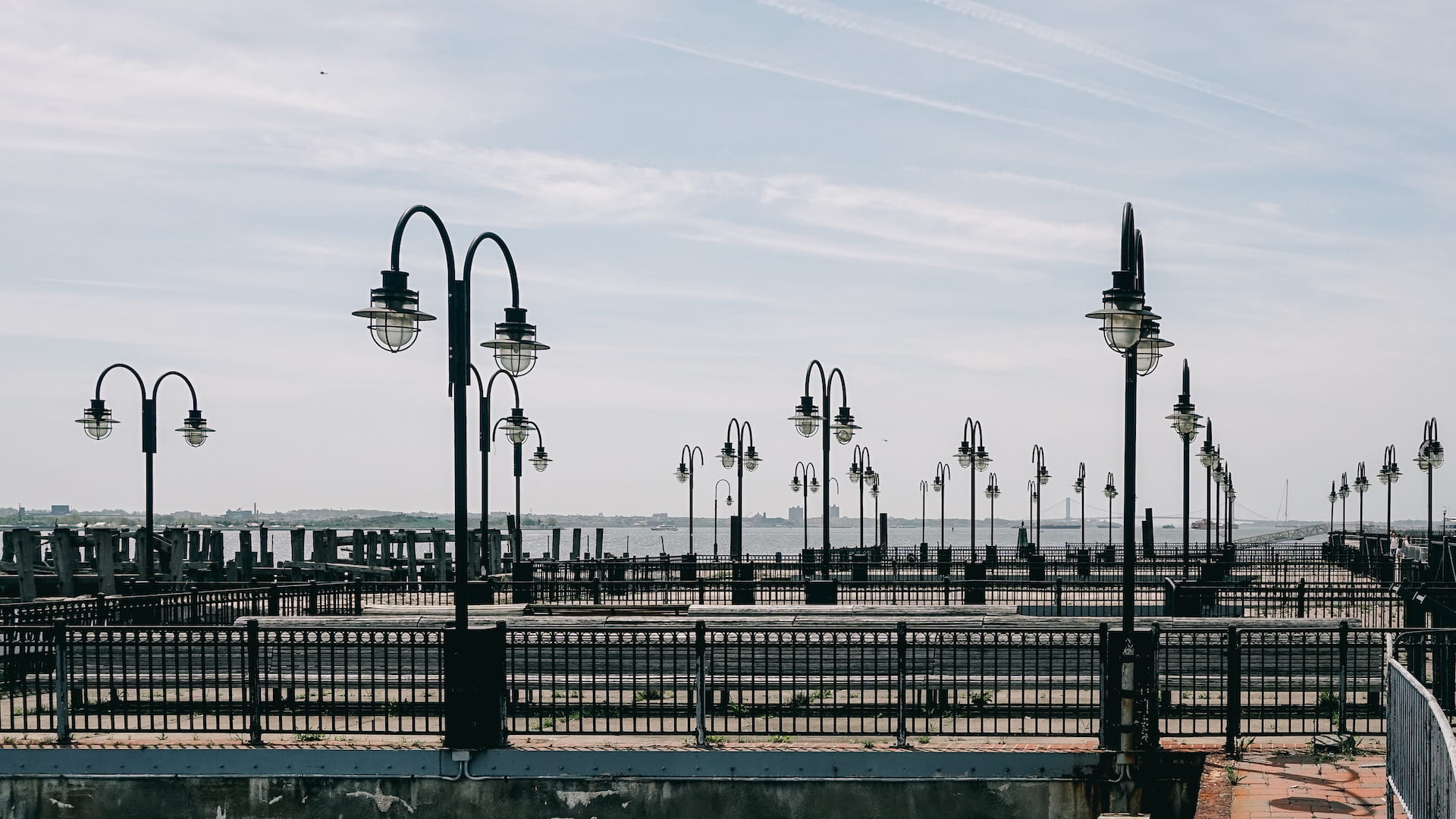
There are some moments when I have a strange feeling. Sometimes it’s like the city finally ends. I had it once in Battery; another time at Roosevelt Island. Or even in Lower Manhattan, where I thought that people wore the suits of finance, but they had the feet of a sailor.
The feeling was clear: the city ends.
New York spends so much energy convincing you that it has no end, because the towers continue and multiply, the avenues expand, the noise internalizes itself and becomes a sequence of thoughts. The grid, I thought, expands forever.
And yet that’s not true because at some point the land stops. Water opens up. You reach the end of an island. No, not in the sense of a Greek island, but the end is omnipresent. Here you have people looking outward and inward, and there’s a certain degree of bewilderment when you look at what’s beyond Manhattan, beyond New York.
There’s silence. No words, just wind blowing over the water. No restaurants and personal debts, no names and charming accents, no officials or pricey apartments. Sometimes, it’s just the Statue of Liberty somewhere in the distance. Overused, over-photographed, saturated, and yet not empty, because it still carries the emotional weight of Liberty.
Stone, glass, and oxygen.
Still, something survives
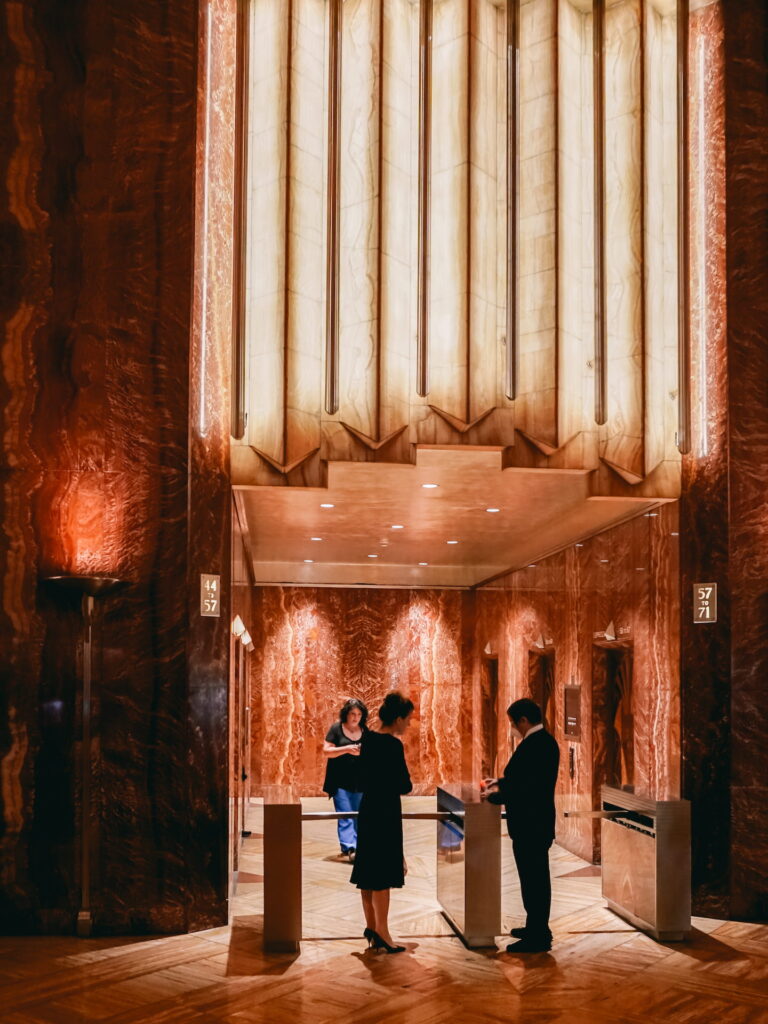
Wherever I go, I look for margins.
What are the margins? Spots where one can remain invisible inside the big crowd. It can be a corner, a bench, the middle of a street, or the few seconds before crossing an avenue. In New York, such margins don’t really exist. You have to create them from scratch.
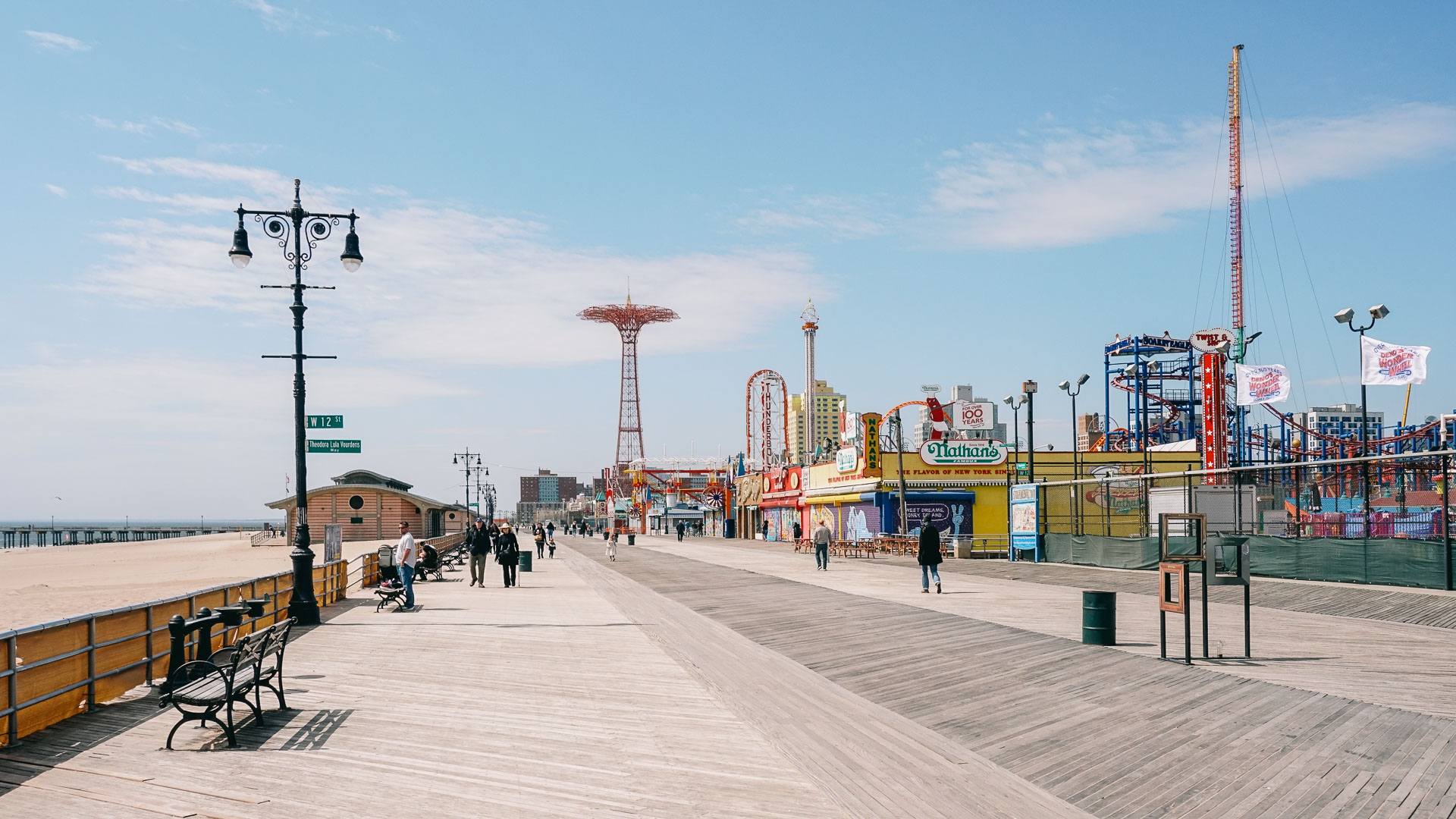
I often think of them as places where the city forgets its own vocabulary. Manhattan Bridge. South Brooklyn. Perhaps Coney Island. The syntax softens there. Pauses are added. There is some breathing space, so the speech can enjoy a little silence.
Maybe this is why I keep remembering the water.
Shorter sentences. An effort to remain stable against the wind. A deep breath. And then the old, impossible challenge of trying to comprehend New York. I know it cannot be done after just a few weeks in the city. Still, the mind remains hungry in Manhattan. To follow its rhythm, you need New York to stop speaking for a second.
At the End of Land, New York
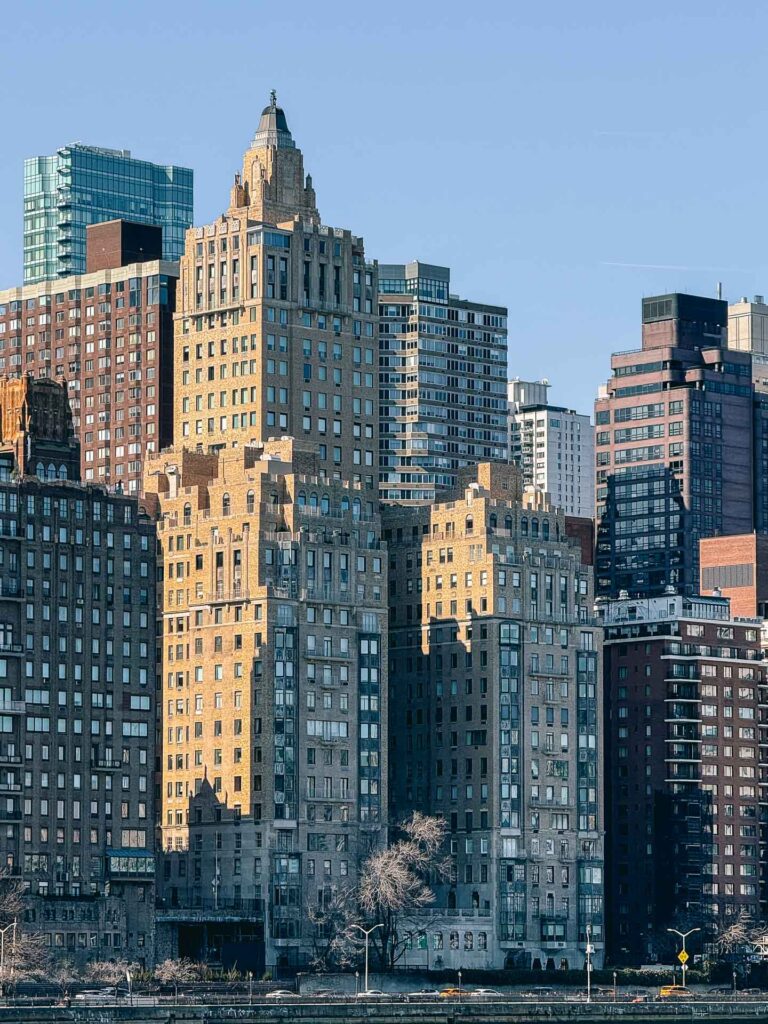
I’d lie if I said I remember New York in order. What I did on day one, what I did on day ten, there is no way I can keep everything in mind. And that’s a good thing, I believe.
Order belongs to travel guides, not to memory, especially when we talk about the grandeur of New York. Personal memory has deeper mechanics. It doesn’t always obey one’s needs. My memory, for example, can keep a smell and lose a museum. It can keep a bench at St. Luke’s in the Fields Garden and forget a Rothko painting at MoMA. It keeps the face of a stranger on the subway, or the backache at the Upper West Side, and misses the name of a restaurant.
My memory of New York is as fluid as the water surrounding it. This, I believe, is the only way for a city to begin to matter to me. A stubborn impression, a random moment, fragments that refuse to disappear because they revealed something, even doubtful, about the city. Or perhaps something that a traveler’s mind wanted to associate New York with. An inner need, a hope, a story to tell when trying to convince other people why a visit to New York matters and is part of one’s education.
I thought New York would stay in my memory for its height. Instead, as time goes by, I find myself on its shores, observing the skyline from afar, trying to keep a fictional hat atop my head while the strong wind blows.
I’m on the edge, next to the water, away from Times Square, far away from Port Authority, from which I opened the door for the first time and felt like entering the theater that New York really is. The Atlantic patiently awaits beyond Brooklyn, even when unseen.
Which means that the memory of New York will not remain fixed. It will expand, change shape, and collect new meanings from a distance. Starting today, and perhaps forever. I can’t wave farewell to New York, the city of all cities, and yet, that’s what I have to do if I really want to comprehend it.
Love,
George
More about New York: NYC guide for first-timers, NBA Game at MSG, Where to Eat in NY
Book your NYC Accommodation
Pin it for later
Sharing is caring. Share this New York City travelogue with your friends.