

Last Updated on September 22, 2026 by George Pavlopoulos
The optimal way to explore Mundaka is to start from its left side. No, I don’t mean its world-famous left wave, which draws surfers from every corner of the world. I mean slowly immersing yourself in the small port town and discovering its beauty as if in a history lesson.
No place in Spain’s Basque Country demands a multi-hour journey. However, despite the short distances, you can expect different styles and local touches across its stunning coastline. I visited Mundaka from Bilbao straight after hiking at San Juan de Gaztelugatxe. Outside the car’s window, the Basque Country coast unfolded like a painting consisting of dramatic cliffs and endless Atlantic Ocean views.
Surfers adore Mundaka. When the wind blows from the south or southwest, waves can reach 4 meters high and stretch 400 meters long. Experienced surfers ride it with the wave on their left hand -hence, it’s called a left. Although the day I visited Mundaka, the ocean was relatively quiet, I was still curious whether it was worth visiting the town as a non-surfer.
And here’s what I found.
*Some links might be affiliate links. It means that if you buy something, I might earn a small commission at no additional cost to you.
Exploring Mundaka
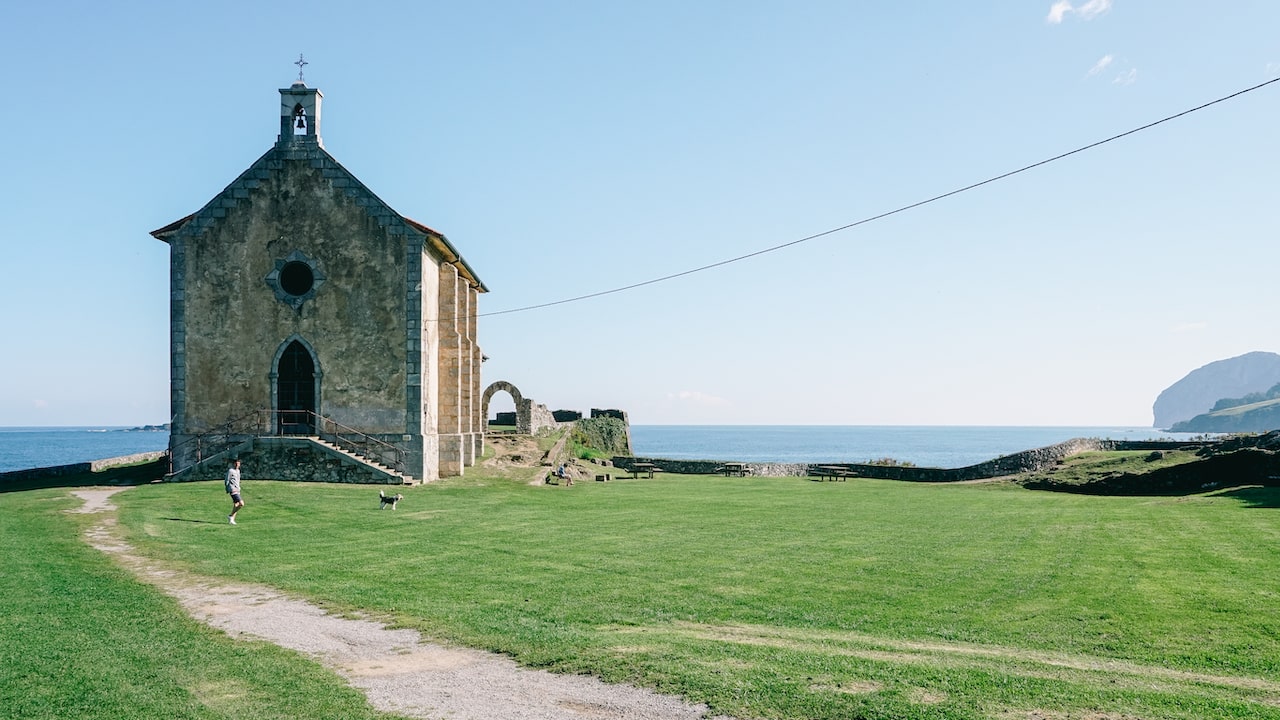
I started this article by saying the best way to explore Mundaka is from the left side. That’s where the famous Santa Catalina church is located. The Hermitage of Santa Catalina (Saint Catherine in English) dates back to the 19th century and sits in a fantastic spot, almost right on the water.
Picture this: a church blending Gothic and Renaissance elements, set in a green space surrounded by the ocean’s waves. This was the first image of Mundaka when I set foot on its welcoming soil. In other words, it was a moment of serenity after a short car ride and a great way to start your Mundaka visit.
Unlike many churches, the Santa Catalina Hermitage is located outside of town. It’s not far, but if you start your walk there, you might think Mundaka is a sleepy little village. It takes a while to realize that this is a false impression.
From Santa Catalina to Mundaka on foot
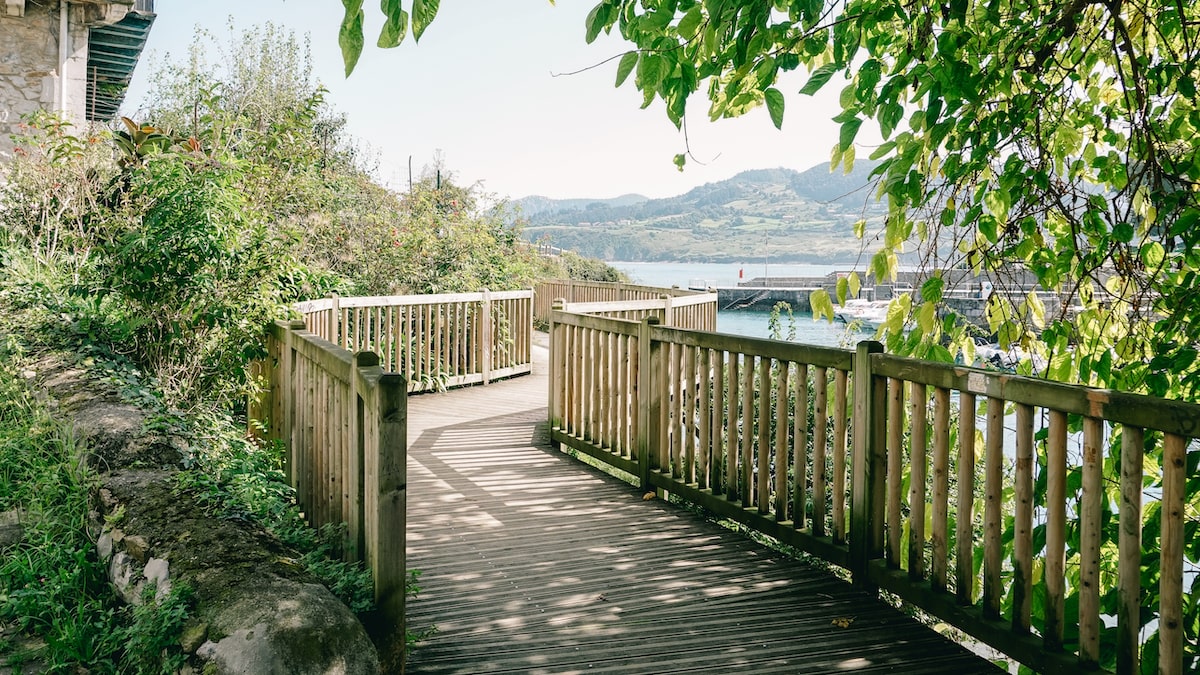
Leaving the church behind, you will start walking along the coast. There are no cliffs on this side, and the landscape is sweeter: rocks, a few scattered trees, and a path leading to the town center. The short walk to the port, with its glimpse into how life unfolded in former times, is worth it. The Santa Catalina Hermitage and its surrounding area served as a meeting place for fishermen.
In every turn you take along the green path, glimpses of Mundaka will appear. At first, you’ll see a tiny detail of its port. Then, the spot where the locals swim. Afterward, another slice of port life. And just like that, slice by slice, the entire seaport of Mundaka will appear.
At the port of Mundaka
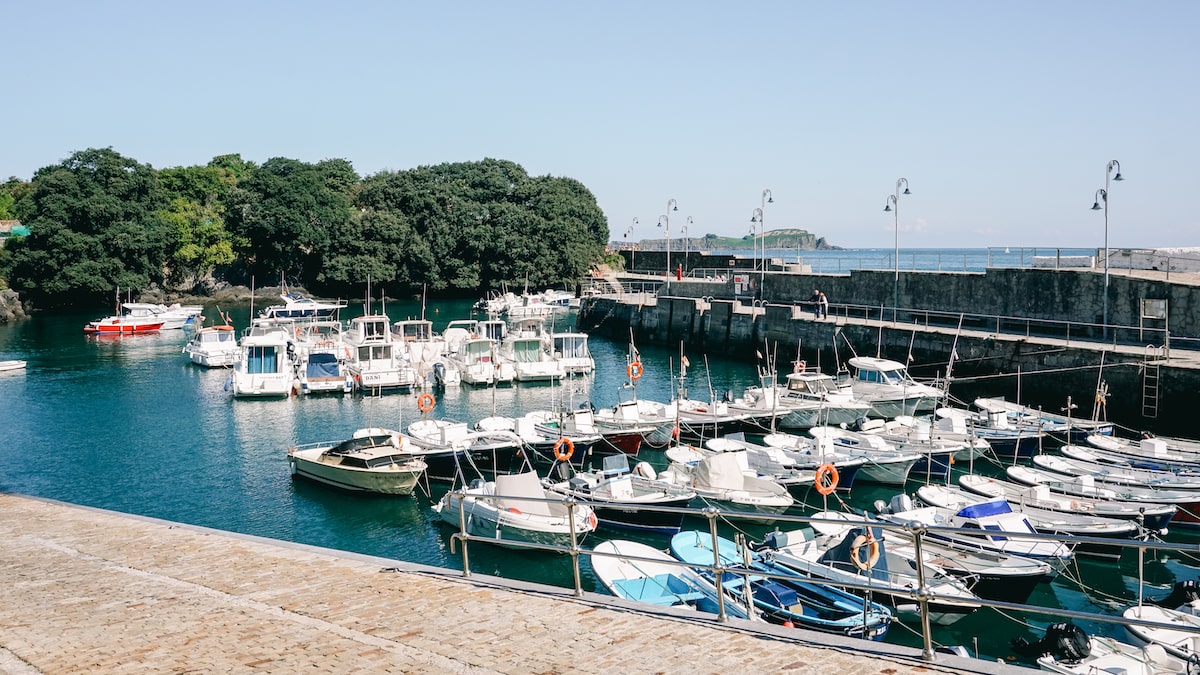
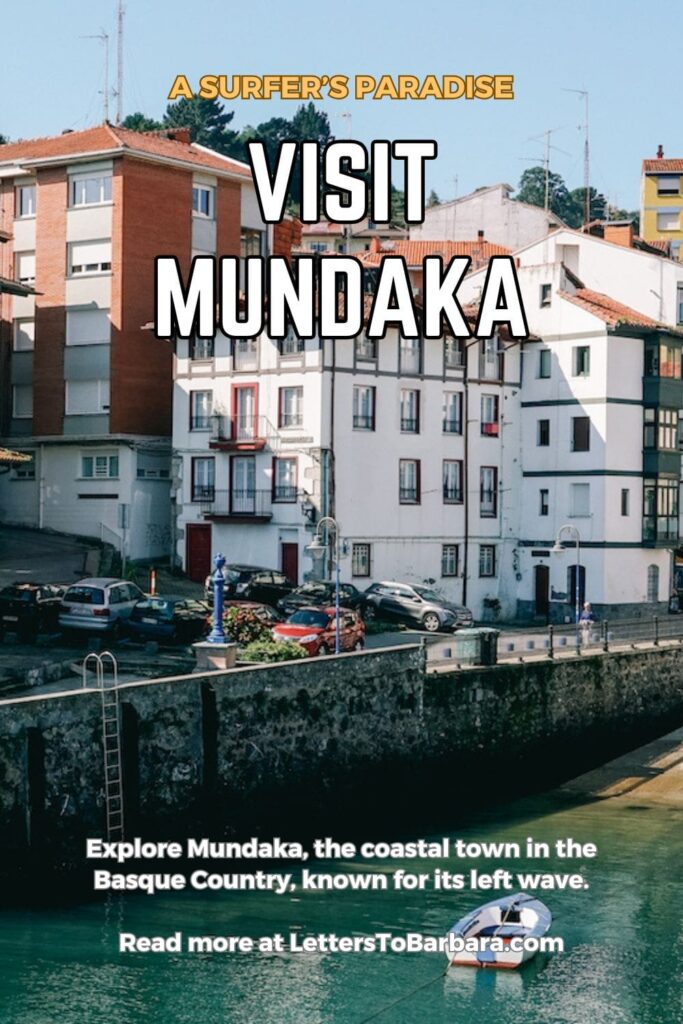
Mundaka’s port feels peaceful and safe. The fishing boats gather in a well-protected, man-made bay; this first image gives first-time visitors a sense of warmth. The open square on the other side and the attached park give a clear sense of the town’s true size.
The buildings are taller than you’d expect. Once you realize that, it won’t surprise you that Mundaka is home to almost 2,000 people. Don’t let its size distract you from the town’s historic significance. Mundaka was one of the most prominent spots of the Lordship of Biscay. Its most famous son is the mythical Juan Zuria, the first Lord of Biscay.
The houses of Mundaka
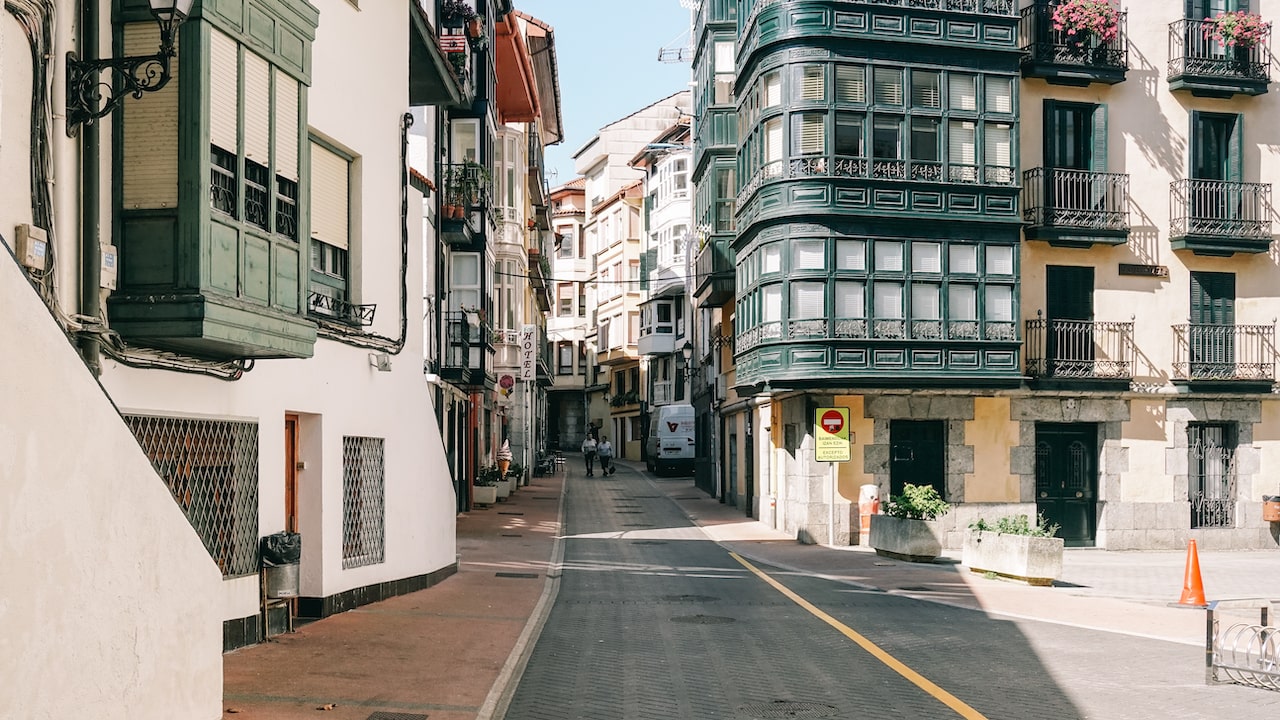
You might not expect impressive architecture in a town of its size. Yet, Mundaka is here to disprove this.
Most houses have medieval architecture, and they all face the sea. No wonder: fishermen have inhabited this town continuously. People still make a living from fishing, and the sea is omnipresent in local life. Mundaka also hosts surf tournaments, and the best surfers visit. According to locals, about one out of three days offer excellent surfing conditions. To some, surfing is everything Mundaka is all about, and you can book a surfing course even if you’ve never surfed before.
Back to the architecture. The houses rise four or five floors above the ground. I was impressed by the Maltese balconies on their facades; perhaps this is a territorial necessity. Those expansive windows offer fabulous views of the open sea. The local fishermen could “read” the sea and plan their fishing day. Like in Malta, I felt this laid-back atmosphere through the tall glass windows overlooking the sea.
Mundaka’s streets are narrow and steep. As if this was a way to keep the winds away from the shore, a walk through Mundaka offers a memorable experience. Tiny bars and cafes pop up on the corners, and every street leads back to the port.
Walking around and enjoying pintxos at the port
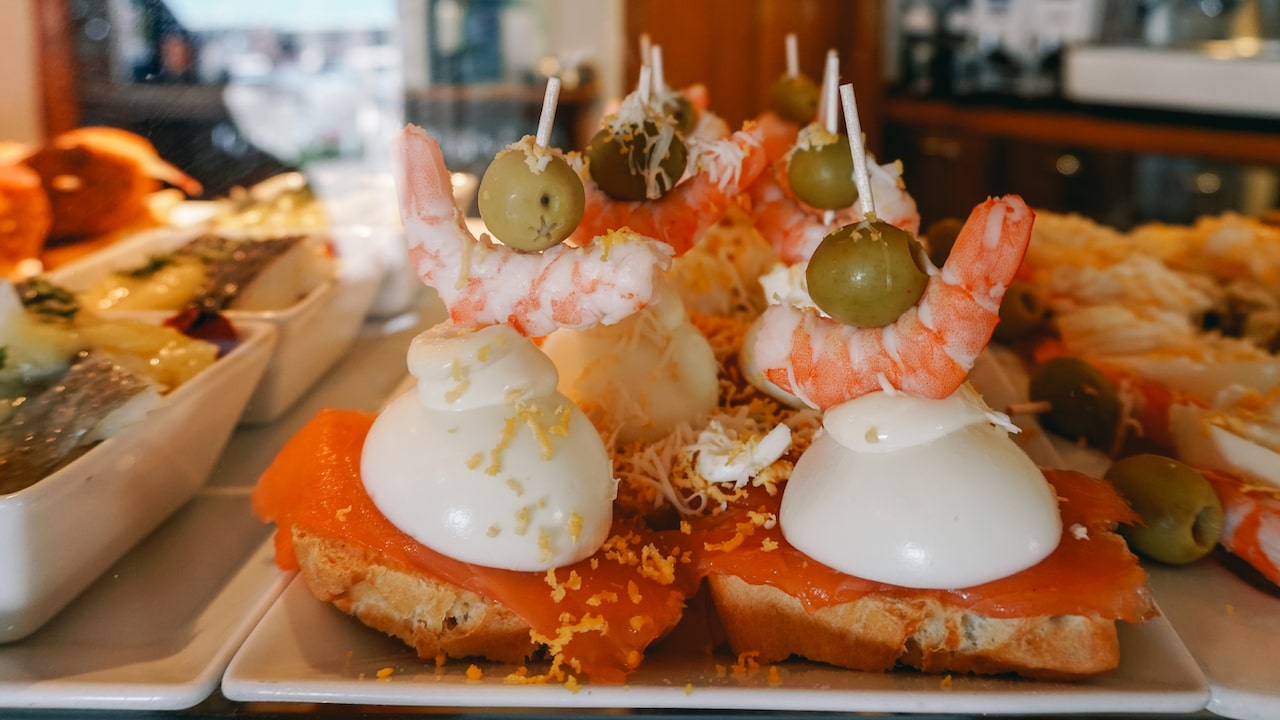
You probably won’t need more than one hour to see everything in Mundaka. But as with most places, rushing isn’t part of what this town is about. Instead of trying to see everything -and the truth is that Mundaka doesn’t have many things to see- the important thing is to enjoy and understand where you are.
The Urdaibai biosphere reserve is at the right edge of the settlement, and you can observe it from the viewpoint behind Santa Maria church. That’s where you’ll spot local kids playing football and where the street market takes place. You’ll find fresh fish, vegetables, and everything locals need here.
Before concluding the short walk around the town, take a moment to enjoy the endless views of the waves from the Mirador de la Atalaya. A few trees and people that appear like tiny dots before the horizon are typical images of Mundaka. However, walking along the path will expose you to the winds -and that’s by itself memorable.
A pleasant stroll around the town should always finish with some local delicacies. Most establishments in the town offer more than one service. Located straight at the port and offering great views, Hotel el Puerto offers rooms and delicious local food. I didn’t stay in Mundaka, but I enjoyed its delicious pintxos. The ones with the egg and shrimp were among the best I had in the Basque Country.
Should you stay in Mundaka on your road trip to the Basque Country?
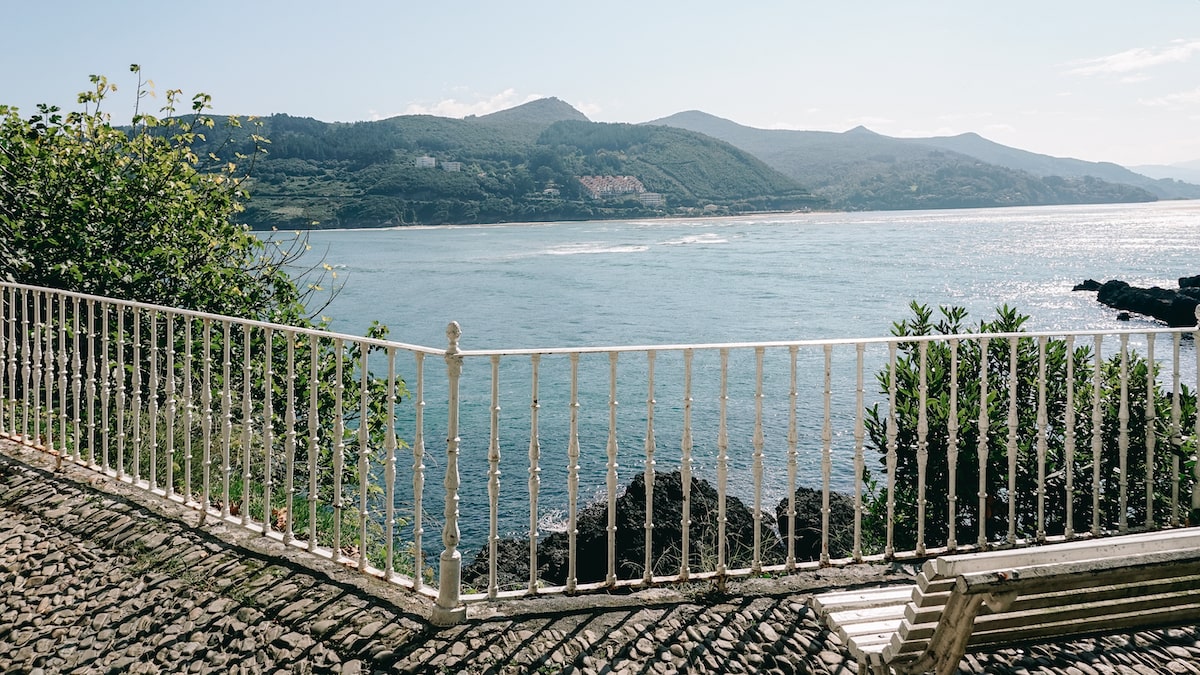
I guess lots of people wonder if they should stay in Mundaka on their road trip to the Basque Country. As always, the answer is “it depends,” but I will try to be helpful here.
First, if you are a surfer, look no further. Despite recent changes in the landscape, Mundaka offers one of the best left waves in the world. So if you visit Spain’s northern coast to surf, there’s no better place to stay. After all, Mundaka’s name derives from “Munda aqua,” which translates to clear water. You can see a detailed surf forecast for the town here.
On the other hand, non-surfers might find Mundaka a bit dull. There isn’t much to do in Mundaka. This is one of those places that people who travel slowly and enjoy the moment appreciate; for avid sightseers, Mundaka is a nice place to spend an hour or two, enjoy pintxos and sea views, and move on to the next settlement.
However, I believe that if you are on a road trip around the Basque Country, Mundaka is an excellent place to spend a night or two. There are plenty of places of interest nearby, like Gaztelugatxe or Gernika, and using it as a base lets you see them in one day. In addition, accommodations in Mundaka are cheaper (unless there’s a surf tournament), and most are centered around the picturesque port.
How to get to Mundaka
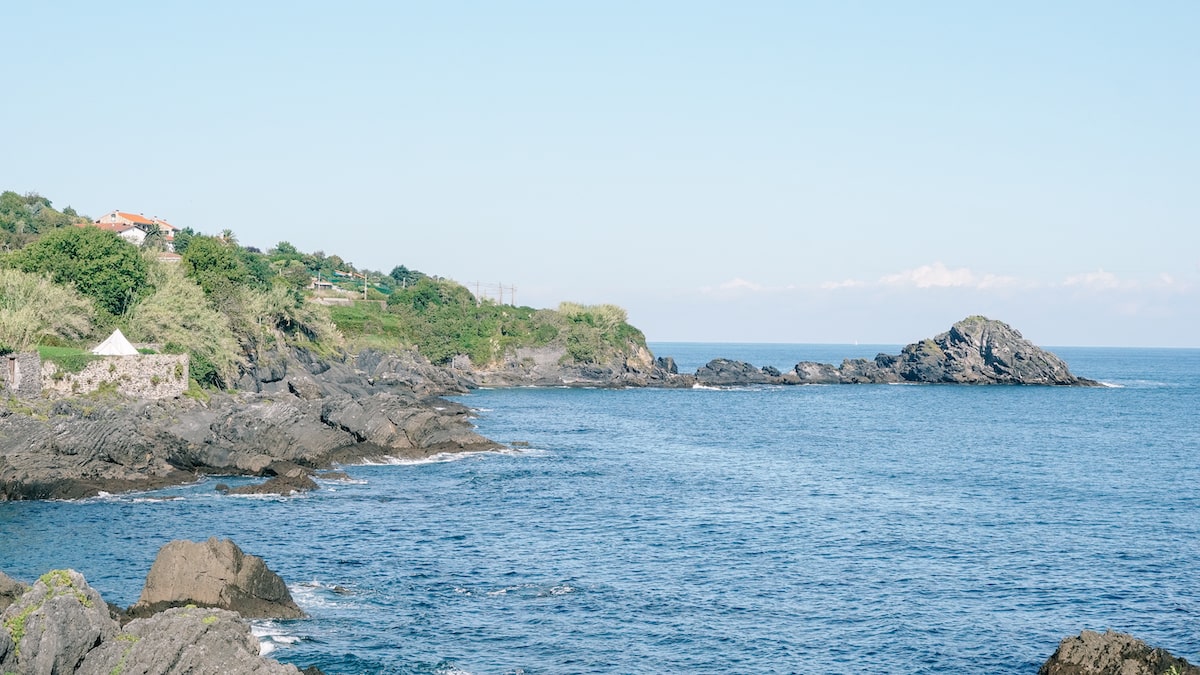
I visited Mundaka on an organized tour (you can book it here) that also stopped at Gaztelugatxe and Gernika. This is the easiest way to see it and enjoy it, and it’s one of the best things to do when visiting Bilbao. I had enough time to stroll around it and enjoy pintxos at the port before heading to Gernika. I believe a group tour is the best option for people with limited time in the area.
If you have a car and are road-tripping on this side of Spain, Mundaka is easy to reach from Bilbao. You won’t need more than a 40-45-minute drive from downtown Bilbao to reach Mundaka, and the road is truly scenic.
Lastly, you can also get to Mundaka by bus. However, Bilbao and the town have no direct bus connection, and travel times are significantly longer. You can catch the E4 train to Bermeo from the Zazpikaleak Casco Viejo stop in Bilbao’s Old Town. The trip takes approximately 1 hour and 20 minutes.
The bus is by far the cheapest option, but keep in mind it doesn’t run that often. Also, you probably won’t make it to Gaztelugatxe and Gernika on the same day because of travel time and the need to change buses.
My visit to Mundaka: Final Thoughts
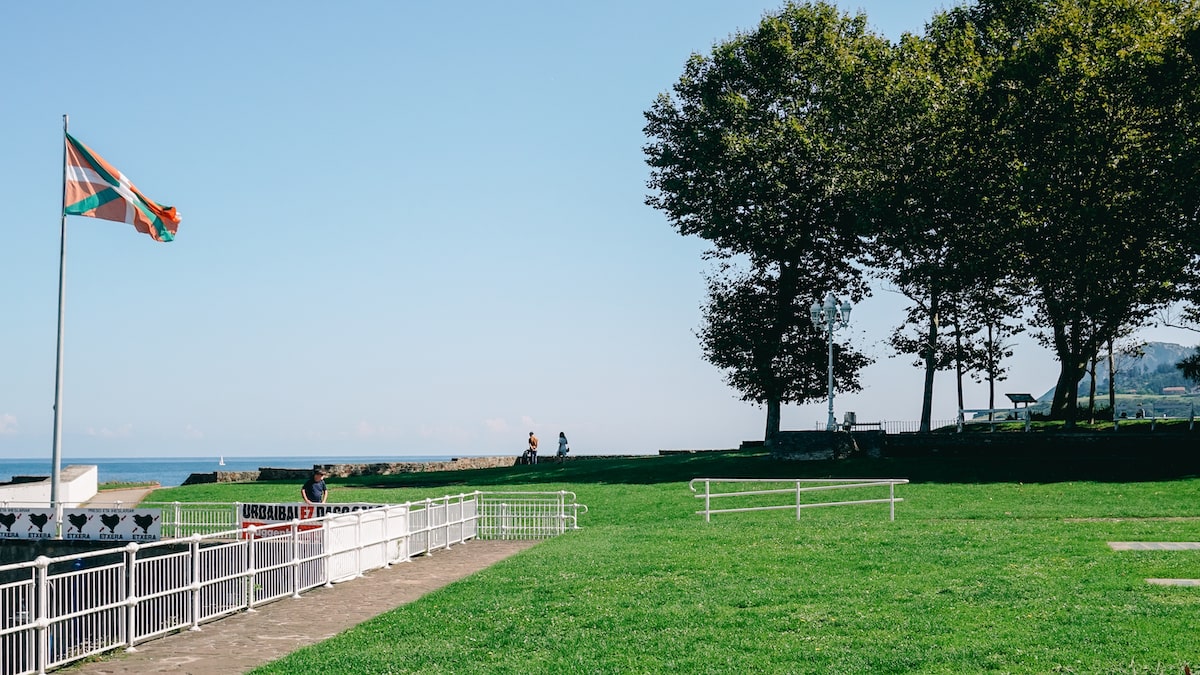
Mundaka is one of those places that will occupy your memories for a long time. Unlike other places, you won’t remember tons of things associated with it. Still, those postcard views and moments before the tall waves will be among your journey’s most cherished memories.
The calmness in front of Santa Catalina church, the picturesque port of Mundaka, and the Atlantic Ocean will create an image that’ll teleport you back to the spot. Even if you spend an hour in Mundaka or just have lunch at the port, it will be something to remember. The architecture and the port are enough to bring back a sweet memory.
Although I was mainly looking forward to the Gaztelugatxe hike and the visit to Gernika, I feel that without visiting Mundaka, something would have been missing from this trip. Dramatic scenery and historically important places are always must-sees, but places like Mundaka always offer an extra perspective to a journey.
More about the Basque Country: Getxo guide, Athletic Club VIP game day

Pin it for later
Sharing is caring. Share this Mundaka travel guide with your friends.