
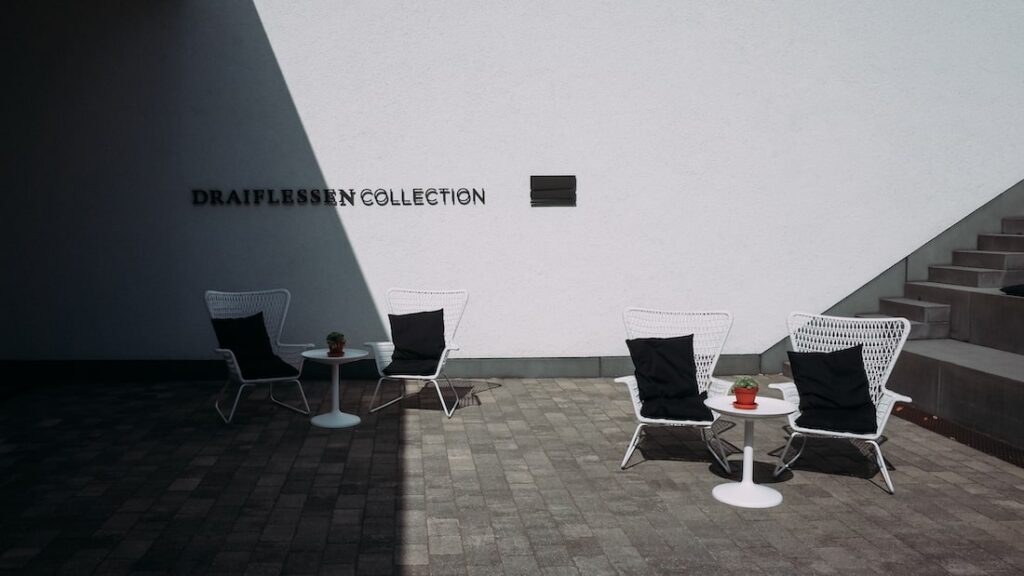
 at Draiflessen Collection in Germany.)
Last Updated on June 24, 2025 by George Pavlopoulos
Once again, an exhibition brought me to Mettingen, that quiet German town not far away from Osnabrück. The last time I was there – already three years ago – I attended the opening of “Faith” at the Draiflessen Collection. The museum’s latest exhibition title sounded equally promising: The Art of Replication (German: Die Kunst der Wiederholung). Although I didn’t know much about the exhibition, I was curious to see what the Draiflessen Collection would present this time.
The Draiflessen Collection is one of the most interesting museums in Germany. The exhibitions are always carefully curated, and the topics are unique. Therefore, in this article, you’ll see a photo report from the beautiful exhibition at Draiflessen, accompanied by plenty of info.
So, let’s start now with the photo report from The Art of Replication.
What is “The Art of Replication”?
After wandering thoroughly around the exhibition’s hall, what the title refers to becomes clear. Instead of featuring famous artworks, the exhibition adopts a different approach: its purpose is to showcase replicated works of art. The main question is not about the undeniable value of art. On the contrary, it’s all about what happens to art when it’s reproduced.
Therefore, in “The Art of Replication,” you won’t see originals. Instead, the impressive museum’s hall hosts numerous replicas of famous art pieces. You will see copies of paintings, plaster casts, cork models, and prints that replicate the originals. Moreover, the heart and soul of this exhibition is a question: why is there a need for replicated art?
There’s not just a single reply to that. Replicated art exists for several reasons. It can reconstruct existing artworks to give them other forms. Or, it can somehow transcribe known works into other media. But, more importantly, the replicas showcase the different forms of a specific work of art throughout the centuries.
Many well-known art pieces wouldn’t be available to a broader audience without their replicas. One can even argue that the importance of ancient civilizations is so widespread due to the replication of art.
“The Art of Replication” at the Draiflessen Collection showcases multiple aspects of the importance of replicas. In a way, it narrates a century-long story of how art is perceived, presented, studied, and showcased.
The exhibition’s sections
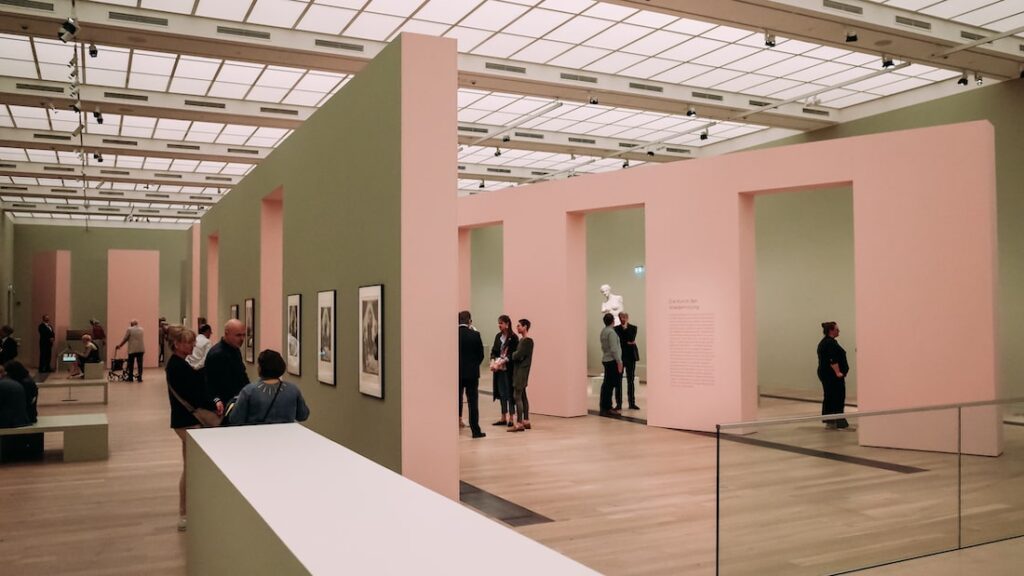
The Draiflessen Collection features a large hall where everything is showcased. However, the ground’s architecture is split into distinct sections. Each of them features different kinds of replicated art, focusing on different approaches. Here you’ll find info about each section of the exhibition.
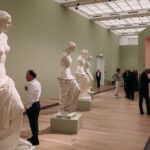
Part I: The plaster casts of the Venus of Milo
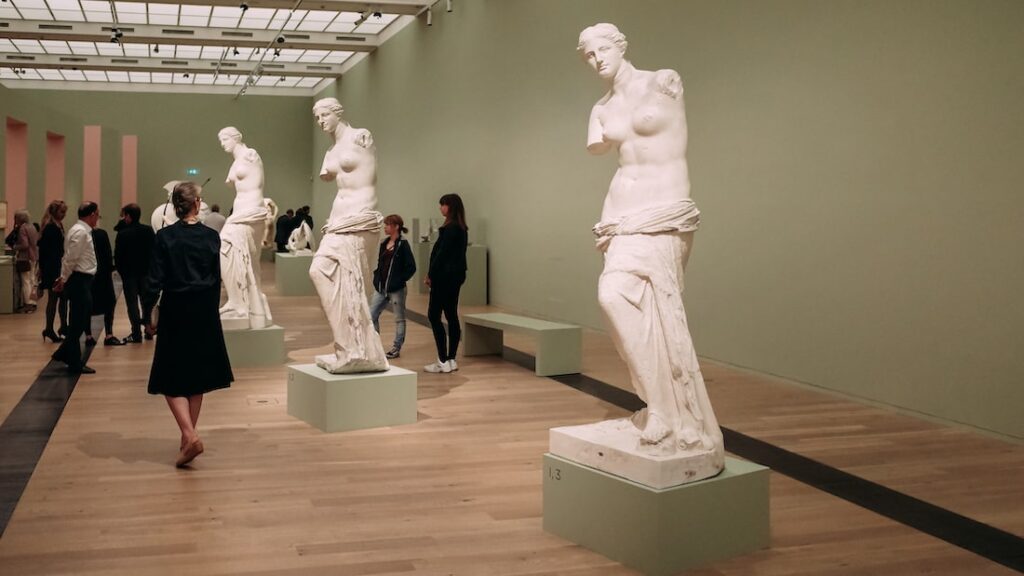
A cornerstone statue of the late Hellenistic Period, the Venus of Milo (also known as the Aphrodite of Milos), holds a prominent place in the exhibition. After its discovery in the early 19th century, the Venus of Milo became one of the most recognizable sculptures of all time. The fact that the original statue is housed in the Louvre apparently contributed to its widespread recognition.
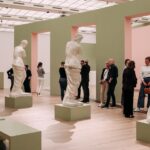
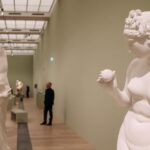
There are five replicas of the Venus of Milo in the exhibition hall. All of them are plaster casts, a technique of replication that became popular during the 19th century. The plaster casts technique helped produce several replicas of well-known artworks; however, each has its distinct characteristics.
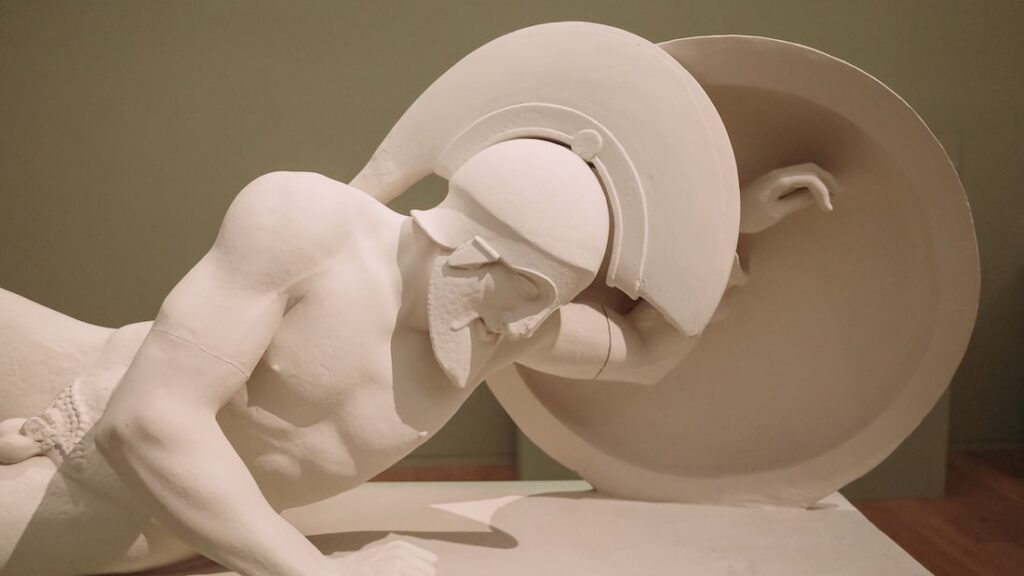
Part II: The Aeginetans
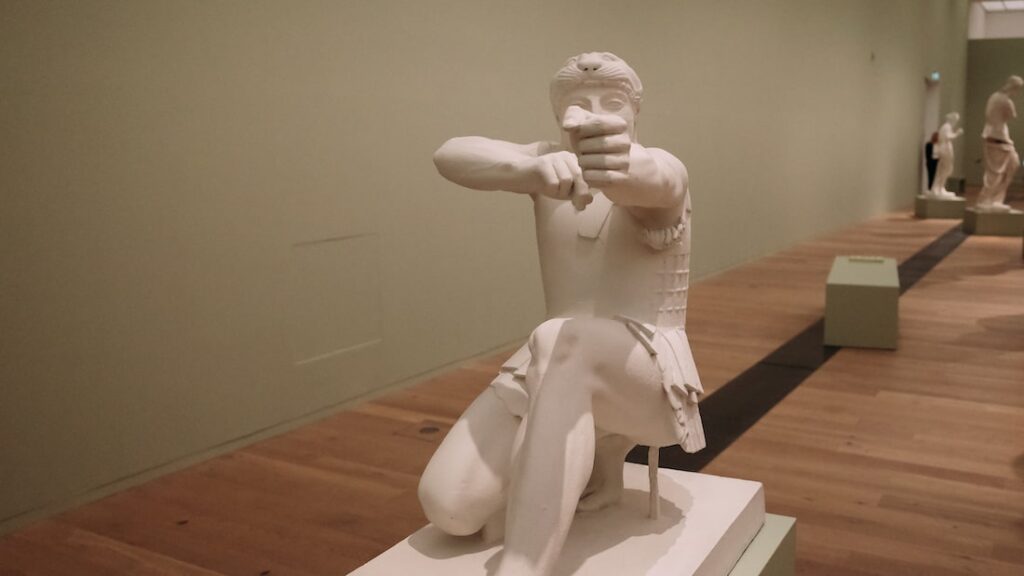
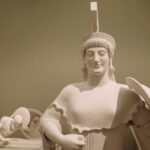
The discovery of the Aeginetans took place in 1811 on the Greek island of Aegina. Their history is shaped not only by their identification process but also by the debate regarding their restoration and presentation. Five years after their discovery, in 1816, the Aeginetans were acquired by Prince Ludwig I of Bavaria. He commissioned Bertel Thordvalsen to recreate the missing elements of the Aeginetans and restore them.
In 1830, the restored Aeginetans were exhibited in the Glyptothek of Munich, and the debate continued for decades. Finally, in the 1960s, Thordvalsen’s additions were removed.
“The Art of Replication” at Draiflessen Collection features a number of exhibits about the Aeginetans: from plaster casts and sketches to casts in artificial marble.
Part III: The Belvedere Torsos
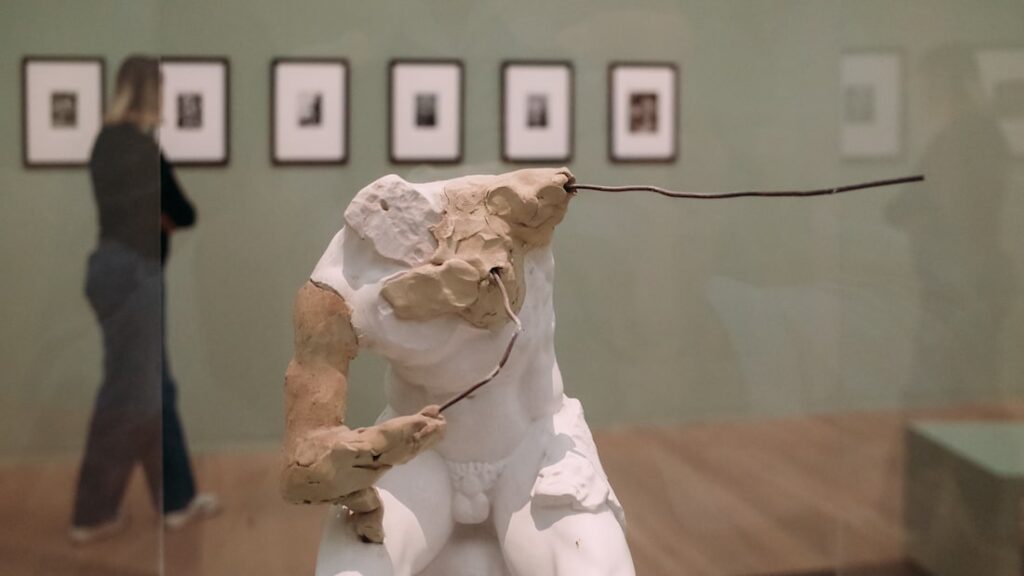
The Belvedere Torsos are among the most prominent sculptures of Roman antiquity. It’s hard to find any other Roman work of art so often reproduced. Although recreating the missing parts was standard practice in older times, the Belvedere Torsos somehow didn’t undergo such a process. It was only in the 1990s that Munich’s Glyptothek started a process of plaster reconstruction of the pensive Ajax.
During this period, several smaller plaster models were also created, and the entire process was documented in black-and-white photographs. Many of these plaster casts are part of the exhibition at Draiflessen Collection, together with several photos by Christa Koppermann documenting the Belvedere Torsos as the pensive Ajax.
Part IV: Cork Models
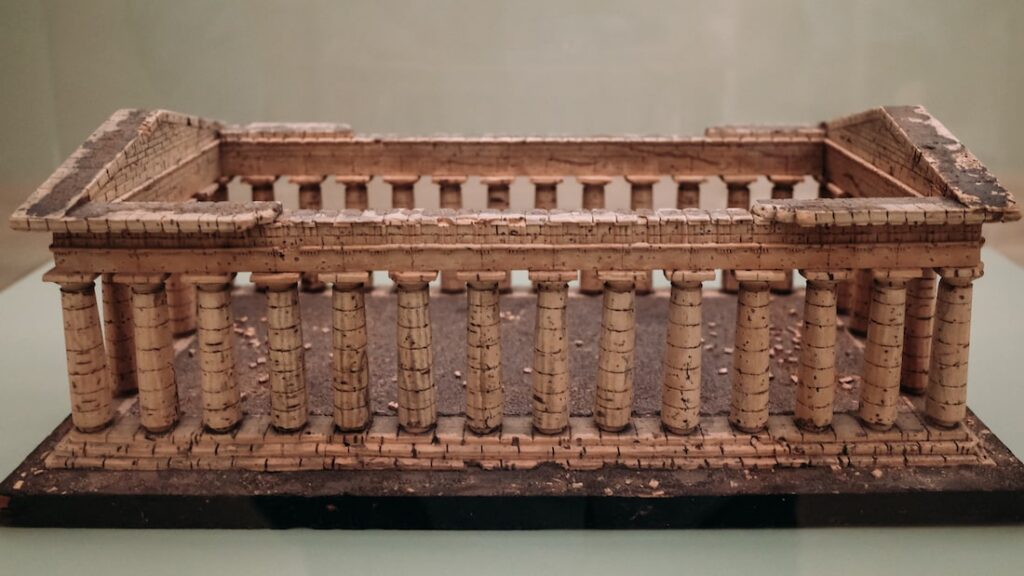
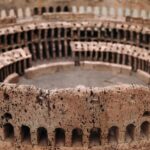
The emergence of traveling in the 18th century reshaped ancient cultural sites and how we perceive them. Some of these places became popular destinations for travelers, inspiring artists in the process. It was in Italy that cork became the material for creating architectural models.
These miniatures, made of cork, allowed people to study distant landmarks, providing them with information about ancient buildings. Together with the cork models presented in “The Art of Replication,” the visitor will also see the views of these landmarks created by Angelo Uggeri.
Part V: Copies of paintings
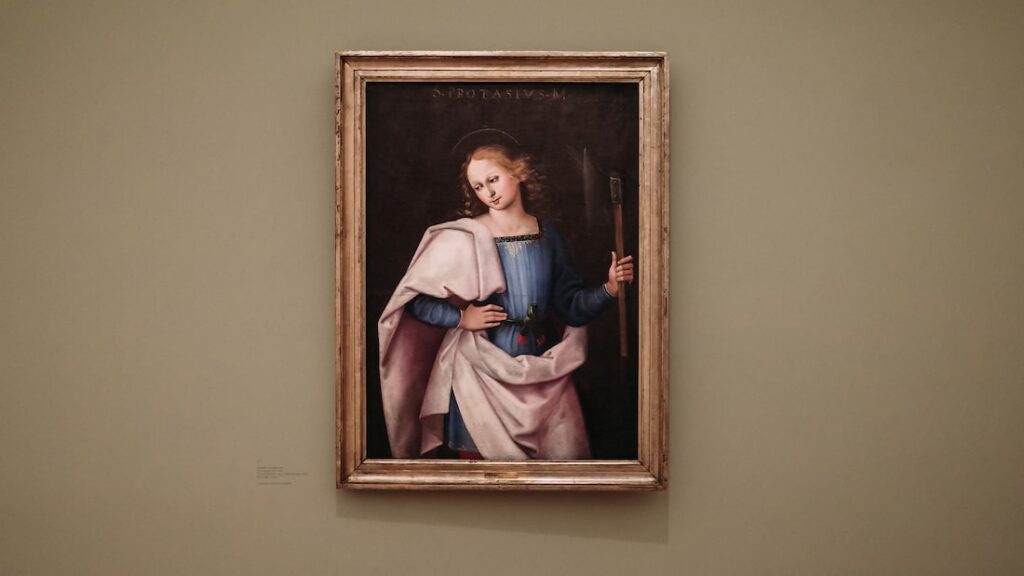
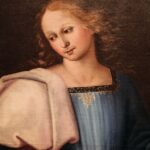
During the 19th century, it was standard practice for patrons to commission copies of paintings. This happened either because the originals were too expensive or out of the market. An interesting question is whether today we should see these replicated paintings as something more than direct substitutes.
The Lindenau Museum of Altenburg hosts an eclectic collection of copies, including a depiction of Saint Protasius. It’s on show in the Draiflessen Collection, accompanied by three versions of the same Annunciation scene.
Part VI: Sistine Madonnas
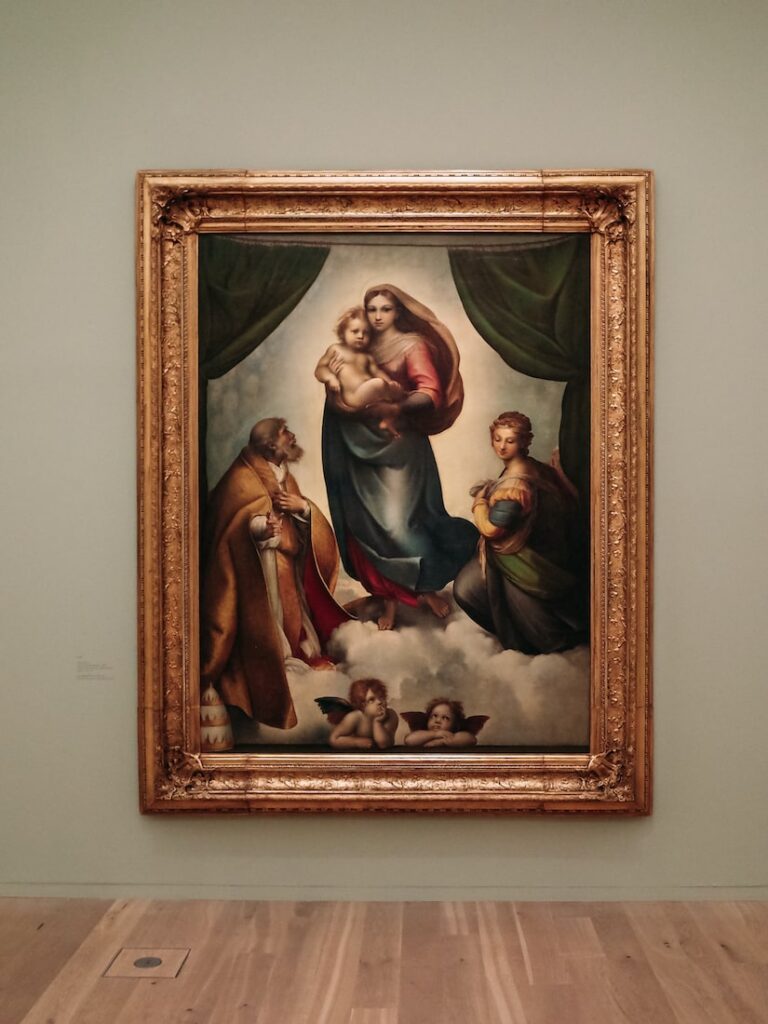
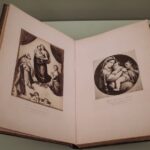
One more legendary work of art continuously reproduced during the 19th century was Raphael’s “Sistine Madonna.” Commissioned back in 1512-13 for the church of San Sisto in Piacenza, it found a place in 1753-54 in Augustus III’s collection. However, despite the wide replication of the Sistine Madonna, we can observe significant differences between them.
The art of replication at Draiflessen Collection: more photos
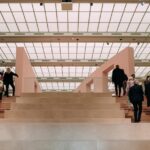
In this section of the article, you’ll see some extra photos from the “Die Kunst der Wiederholung” exhibition at Draiflessen Collection. Please click to enlarge.



Practical info for your visit to Draiflessen Collection
Here you can find more information about your visit to the museum.
- The exhibition “The Art of Replication (Die Kunst der Wiederholung)” runs until the 31st of July 2022.
- The Draiflessen Collection is open Wednesday to Sunday from 11:00 a.m. to 5:00 p.m. Also, the first Thursday of every month from 11:00 a.m. to 9:00 p.m. The museum remains closed on Mondays and Tuesdays.
- There is also an excellent catalog of the exhibition, available for sale directly from the museum’s shop. Alternatively, you can order it online from the museum’s e-shop.
- Admission fees: regular 9 euros, reduced 6 euros; free admission under 18.
- The museum’s address is Draiflessen Collection, Georgstraße 18, D-49497 Mettingen. You can see the museum on Google Maps here.
- You can reach the museum by bus. Busline S10 starts from the central station of Osnabrück. Stop at Schultenhof, Mettingen; from there, it’s just a short walk to the Draiflessen Collection.
- For more information about the museum and its current exhibitions, please visit the website of the Draiflessen Collection.
The Art of Replication: Final Thoughts
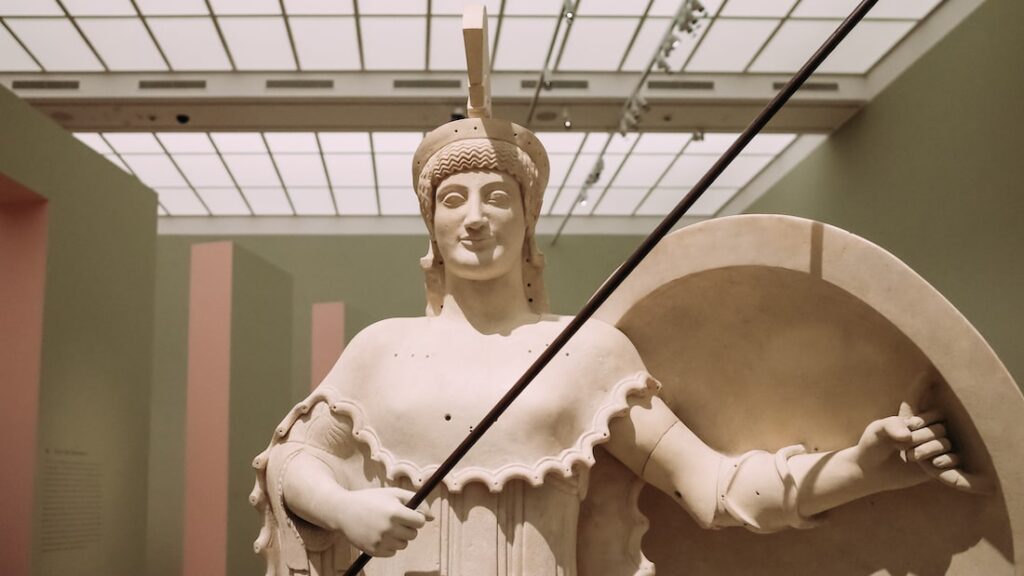
“The Art of Replication” explores a wide variety of replicated art. One of the most important contributions of the exhibition at Draiflessen Collection is that it showcases more than the artworks themselves. It actually feels like a journey in time, where different practices signified different approaches in art.
Through this prism, the exhibition becomes a narrative of how the art world has perceived art over the centuries, alongside the evolving needs of collectors and institutions. If you’re traveling in this part of Germany, be sure to visit the Draiflessen Collection – it’s a rewarding experience.
More art: Emil Nolde, Barbro Östlihn, Language/Text, Image, Brothers Grimm Museum, True Pictures at Sprengel Museum, Linda McCartney
Pin it for later
Sharing is caring: share The Art of Replication with your friends on Social Media.