

Last Updated on June 23, 2025 by George Pavlopoulos
Located in one of the busiest railway junctions in Berlin, the Tränenpalast was once the epicenter of tearful farewells. The former border crossing at Friedrichstraße station was the site of countless stories of separation and remained in operation from 1962 to 1989. The colloquial name Tränenpalast stands for “Palace of tears” due to the partings between East and West Berliners.
Today, the Tränenpalast is a museum that presents a permanent exhibition about the Cold War period in Berlin. It’s one of the must-see locations if you are interested in the Berlin Wall years, and in this article, you’ll discover five facts about the Palace of Tears. Moreover, you’ll find practical info about your visit and several photos of the Traenenpalast’s interior.
Let’s start.
*Some links are affiliate links. It means that if you buy something, I might earn a small commission at no additional cost to you.
Tränenpalast: 5 facts about the Palace of Tears in Berlin
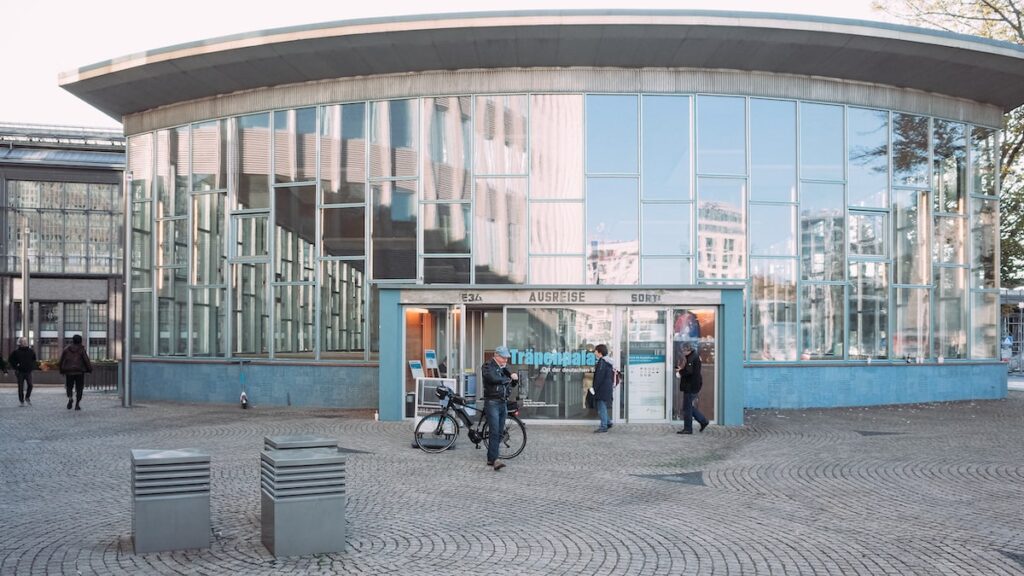
The Palace of Tears carried an excessive emotional weight due to its prominent role in daily life. It was the place where East Berliners said goodbye to friends and relatives traveling to the West, not knowing when they would see them again. Therefore, it was one of the divided Berlin locations with the most profound impact in social terms.
So, here are the 5 things you need to know before visiting the Tränenpalast in Berlin.
Who built the Palace of Tears in Berlin?
The Palace of Tears was built in 1962, a year after the Berlin Wall was constructed. The government of East Germany (English: GDR, German: Deutsche Demokratische Republik, DDR) ordered the construction. They wanted to control the travelers toward West Berlin and West Germany.
Where was the Friedrichstraße station located?
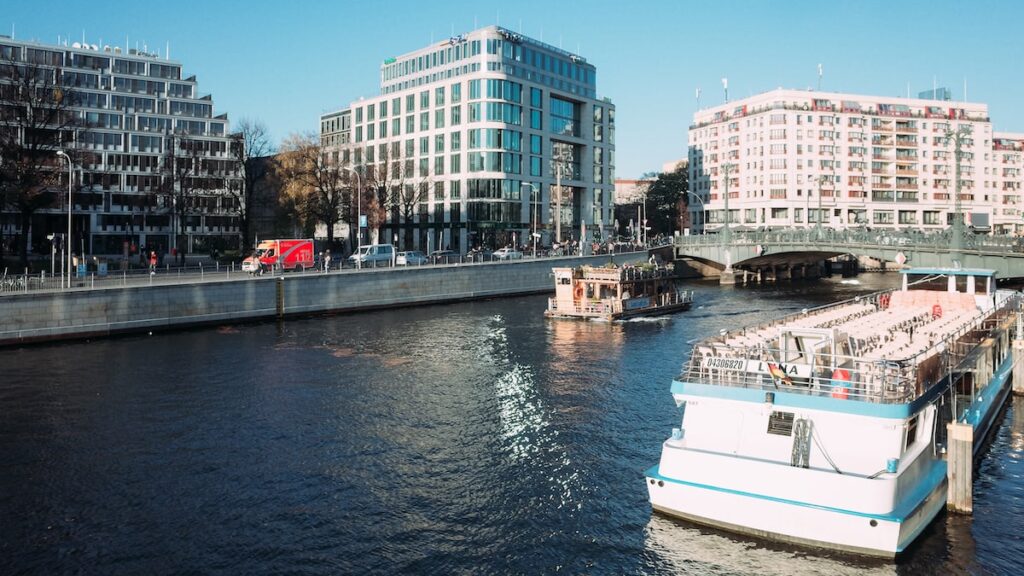
The Friedrichstraße train station was located in East Berlin. From here, S-Bahn and U-Bahn trains ran to West Berlin; long-distance trains would also run through West Berlin to the rest of West Germany.
But why was the Friedrichstraße station so important? Well, after the Wall’s construction, the station became a border crossing, even though it lay entirely in East Berlin. In no other place was this the case: border crossings were split between East and West Berlin territory. Moreover, Friedrichstraße had a dual function: it was the last train station before the border to the West and was also directly connected to the West Berlin public transport network.
Therefore, the station was constantly monitored out of fear of locals and enemies escaping and penetrating the DDR. For West Berliners, that was the beginning of their journey to West Germany; however, for East Germans, it was the end of the line.
What’s the background story of the Tränenpalast name?
The so-called Palace of Tears has to do mainly with the fact that East Germans were not allowed to travel to the West. People could only travel toward West Germany, and there were various checkpoints for West Berliners, West Germans, and tourists. Of course, police officers and guards checked everyone’s passports and visas to ensure no East Berliners were leaving the city.
In brief, the Palace of Tears served as a check-in hall for people willing to travel from East to West. Therefore, the name “Palace of Tears” derives from the tearful farewells that took place in its interior.
What happened to the Tränenpalast after the Fall of the Berlin Wall?
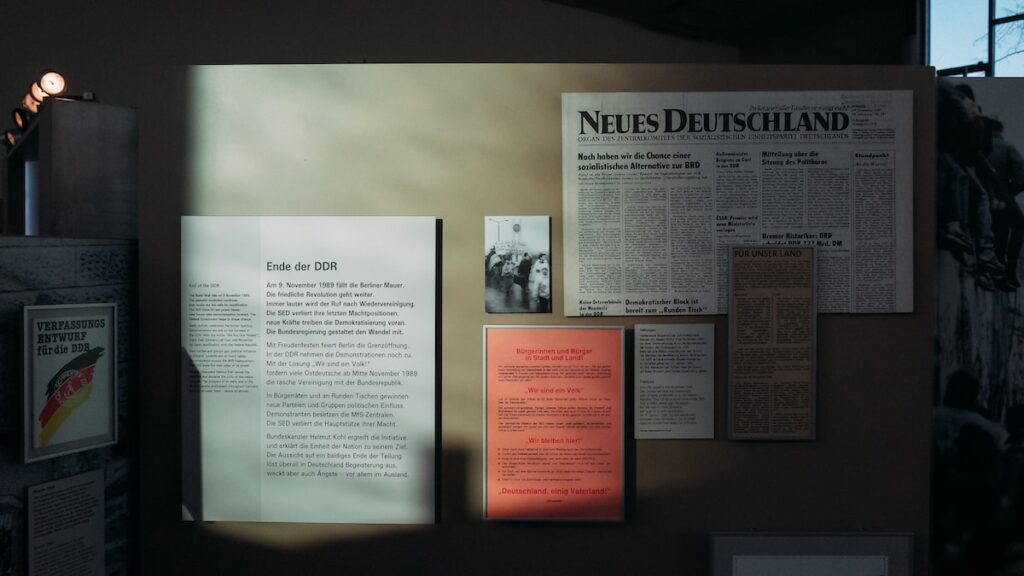
After the Fall of the Berlin Wall, the Tränenpalast was transformed into a nightclub in 1991 under the same name. It hosted several events and remained open until 2006, when the Berlin Senate acquired it.
A couple of years later, in 2011, it became the museum it is today. Former Chancellor Angela Merkel inaugurated the Museum on September 14, 2011. During the first couple of weeks, thousands of people visited it.
What can you see in the exhibition at the Tränenpalast?
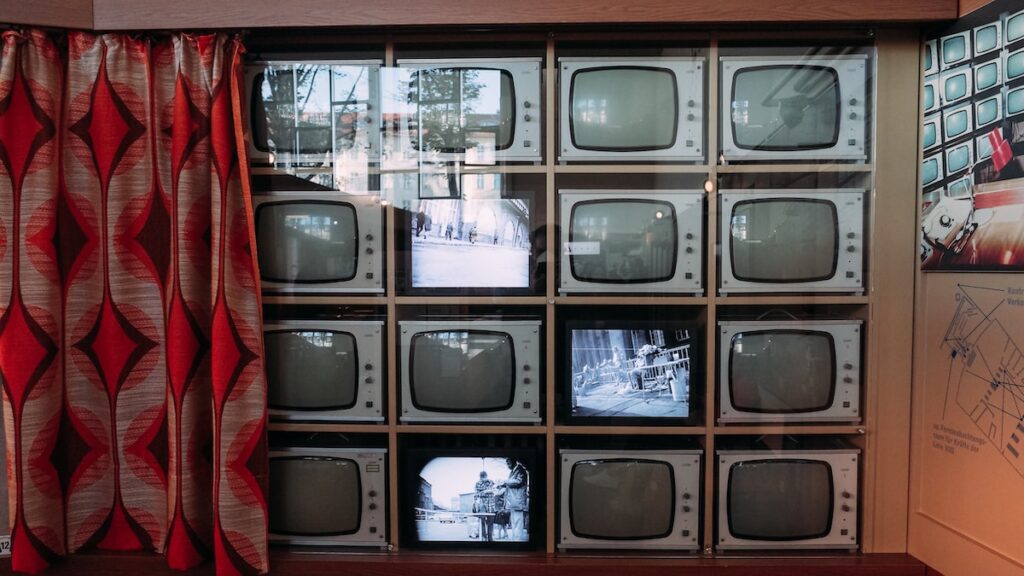
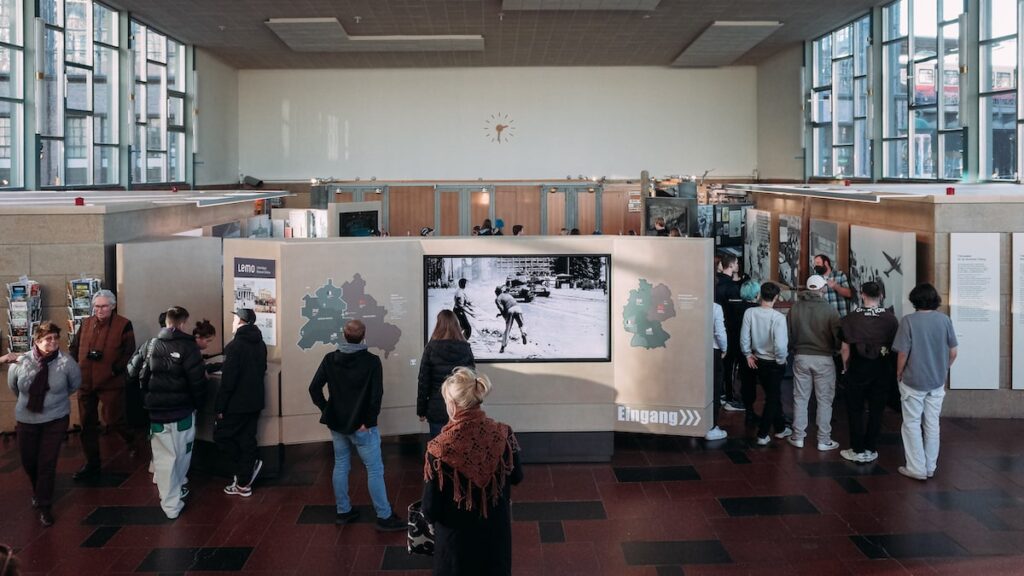
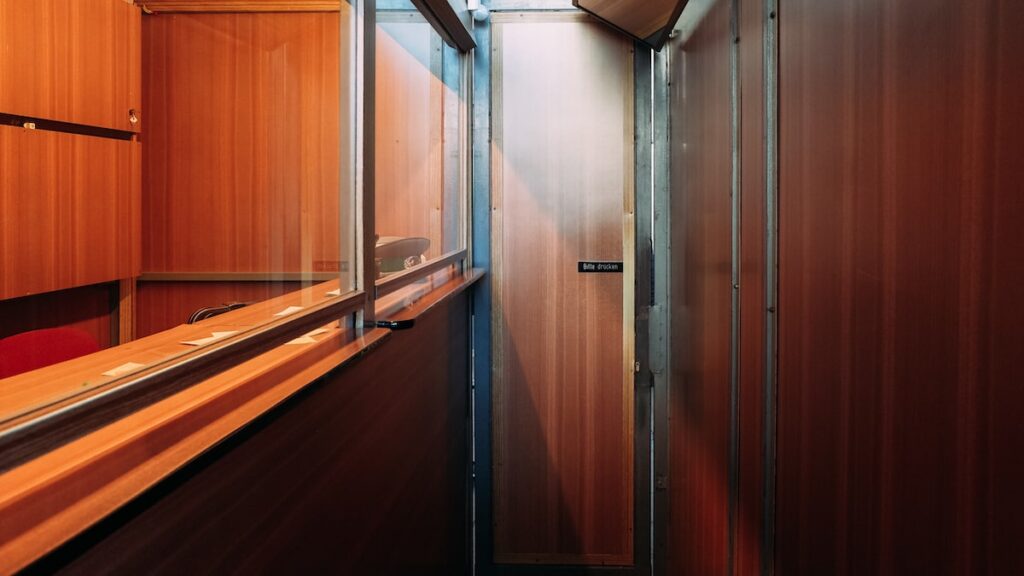
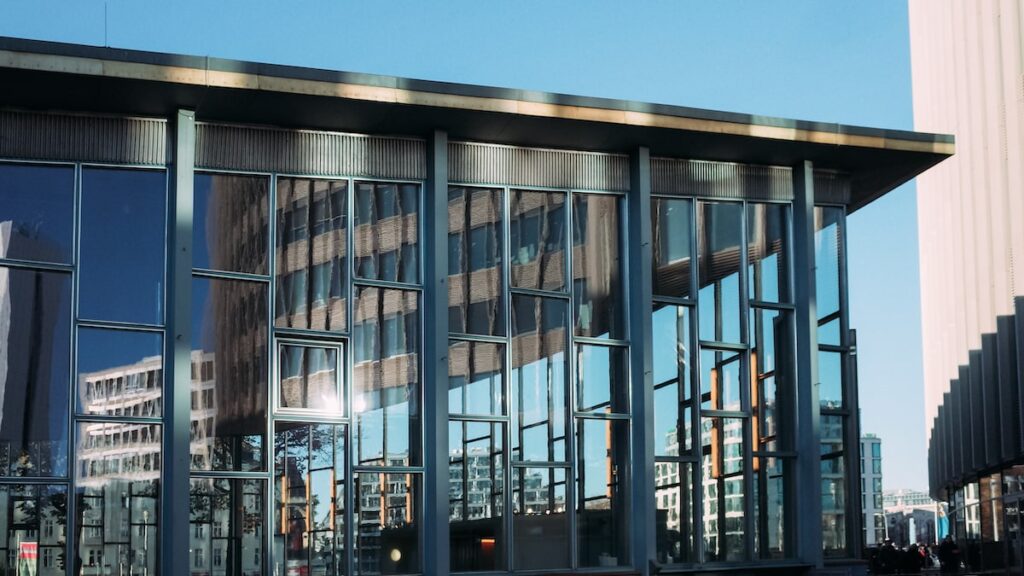
The exhibition’s title is “Palace of Tears. Site of German division.” The building is intact, and you can get a glimpse of what people saw during the Cold War. One of the unique elements is the narrow corridors of passport control: one is still open, and you can go through it.
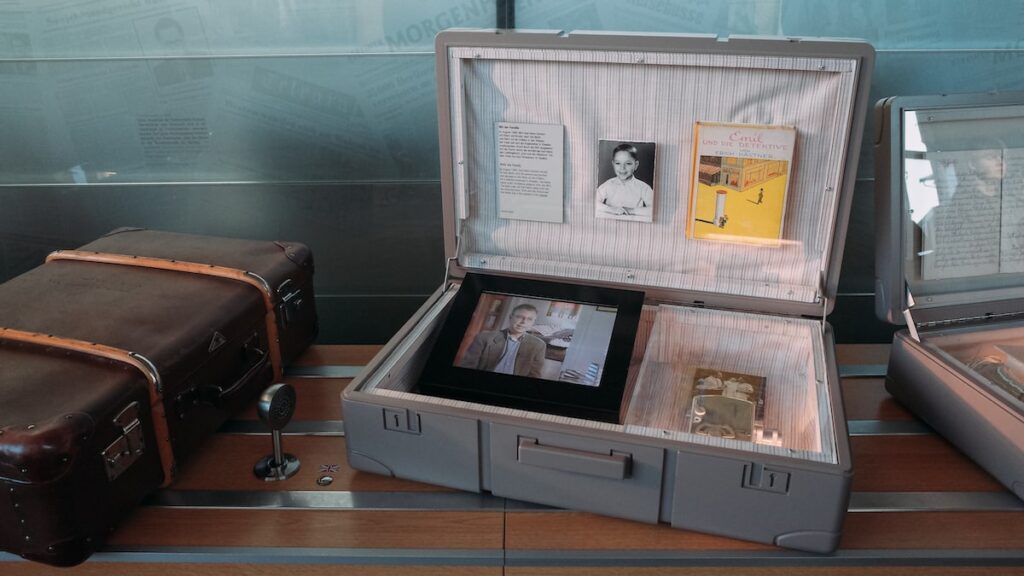
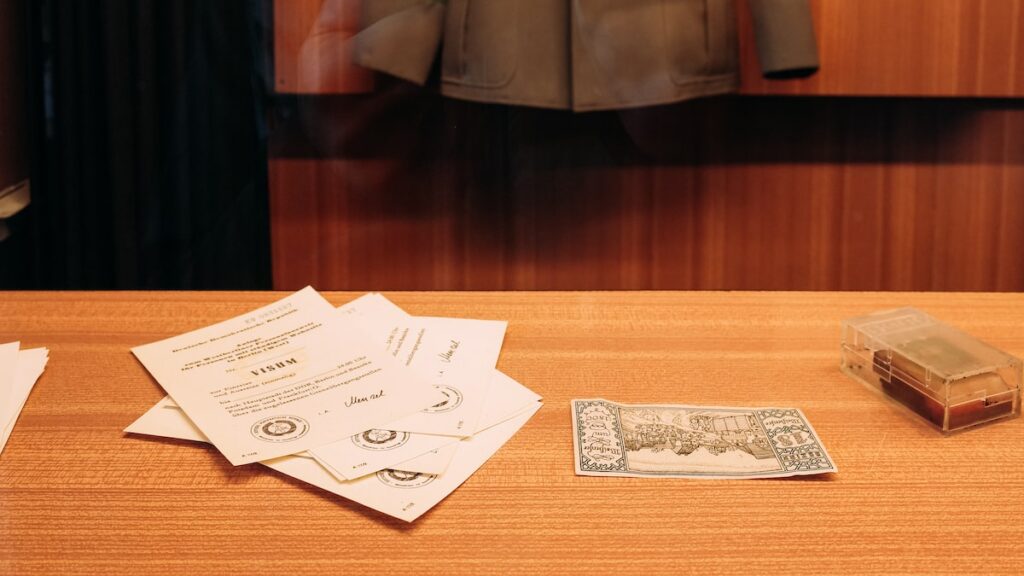
Apart from that, the site hosts numerous documents, citizens’ interviews, photos, a surveillance room, and artifacts from the era. Moreover, you will see suitcases with personal belongings – some have been converted into audio stations with informational material. Furthermore, you can also spot tiny details like the original clock on the wall, the original tiles on the floor, and newspapers from the time.
However, one of the most important elements is the video material, which will show you the living conditions in the divided city. The footage is impressive and contains original material from the Berlin Wall era. Finally, there’s a section dedicated to Germany’s reunification, where you can learn about the steps taken after the Fall of the Wall.
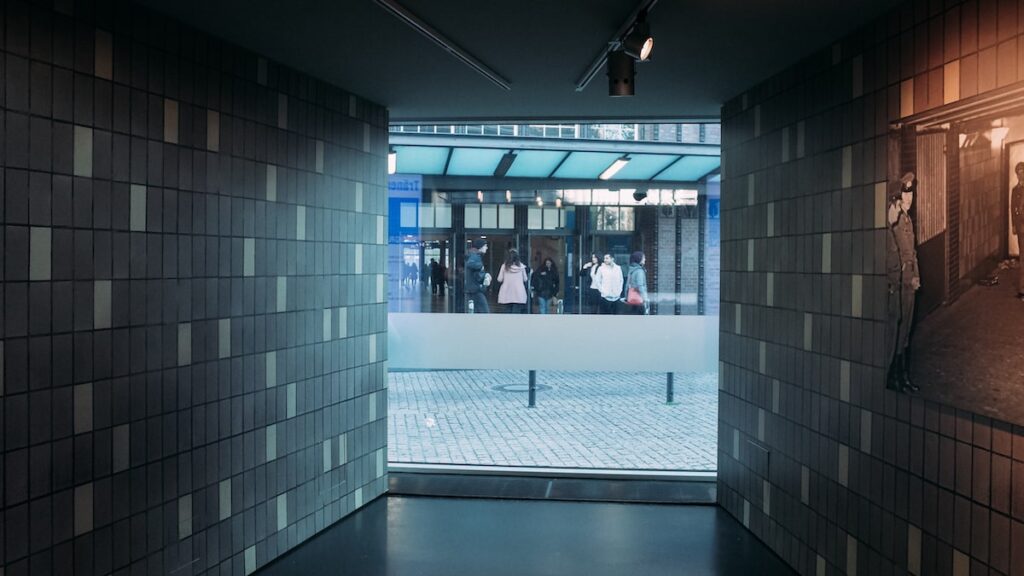
At the edge of the building, you’ll see the eerie walkway people used to exit and reach the train station. Today, the exit is sealed, but you can see the adjacent Friedrichstrasse station through the glass.
Tränenpalast: Practical info for your visit
In this section, you’ll find practical info for visiting the Palace of Tears in Berlin.
How to reach the Tränenpalast
The easiest way to reach the Palace of Tears is by S-Bahn. Specifically, lines S1, S2, S25, S5, S7, and S75 will stop at the Friedrichstraße station.
Alternatively, you can use the U-Bahn line U6 and stop at Friedrichstraße. Finally, trams M1 and 12 also stop in front of the station.
To plan your itinerary, you can use the official website of Berlin’s public transport operator, BVG. The website is in English; you can add your starting station and see how to reach Friedrichstrasse. Visit the BVG planner here.
Opening hours of the Palace of Tears
The Tränenpalast is open Tuesday through Friday from 9 am to 6 pm and on weekends from 10 am to 6 pm; the museum is closed on Mondays.
Address & Tickets
The building is at Reichstagufer 17, 10117 Berlin; you can see its exact location on Google Maps here.
Admission is free for everyone.
Audioguides
You can get an audioguide for free straight after entering the building. Alternatively, audioguides are available online, and you can listen to them on your smartphone. You can find the English audio guide here.
Guided tours
The museum offers guided tours free of charge to individuals and groups. If you’re interested in knowing more about the history of the Tränenpalast, it’s a good idea to pre-book a tour. You can find more info about the guided tours here.
Tränenpalast: Final thoughts about the Palace of Tears
Hosting an endless number of separation stories, the Tränenpalast ranks among the most important things to see in Berlin. Apart from the collective emotional weight it carries, the museum is a cornerstone element of the Berlin Wall years. Imagine how many people left this building behind without knowing when they’d be able to see their family and friends and immerse themselves in Berlin’s oppressive Cold War atmosphere.
You can still feel the history of this building, made of steel and glass. Add it to your itinerary and see how political injustice can change people’s lives overnight.
More about Berlin: Interesting facts about Berlin, DDR Museum Berlin, 3 days in Berlin guide, Asisi Berlin Wall Panorama

Pin it for later

Sharing is caring. Share this article about the Palace of Tears in Berlin with your friends.