

Last Updated on January 30, 2026 by George Pavlopoulos
Apart from its highly nostalgic nature, the Vaporetto is the only public transport that exists in Venice. Although the floating city is relatively compact, using the Waterbus service is a great shortcut, especially when sightseeing leaves you exhausted. Moreover, if you are only in Venice for a day or two, the Vaporetto will help you see as much as possible. Therefore, in this comprehensive Venice Vaporetto guide, you’ll find everything you need to know about the public Waterbus network.
Specifically, you will learn how to use the Vaporettos in Venice, explore the different lines and their schedules, and get some tips for your commutes. In addition, you’ll figure out why purchasing a Vaporetto Pass is a good idea and which one suits you best -you can see the current prices here. Finally, in addition to several of my photos, you’ll find a section with answers to the most frequently asked Vaporetto questions.
So, let’s begin with this Vaporetto guide to help you make the most of your stay in Venice.
*Some links are affiliate links. It means that if you buy something, I might earn a small commission at no additional cost to you.
The ultimate Venice Vaporetto guide: what you need to know

The first Vaporetto appeared in the Venice Lagoon in 1881, and its name stands for “small steamer.” However, contemporary waterbuses use conventional fuel, so the term doesn’t really reflect their current status. No matter what, the Vaporettos are frequently used by Venetians and travelers alike, and seeing the city from the water is a magnificent experience.
Before adding information about the lines, I think it’s good to have an overview of the cost. Apart from helping you use the Venice Vaporettos more effectively, it will also give you an idea of the costs associated with your daily commutes in town.
The Venice Vaporetto ticket prices and the passes
Right now, a ticket for a single journey with the Vaporetto costs 9,50 euros, making it one of the most expensive public transportation means in Europe. The ticket is valid for 75 minutes, but given the boats’ slow speed, it’s not enough time for sightseeing.
That said, buying a single ticket makes sense only if you plan to use the Vaporetto once or twice during your visit to Venice. If you plan to do extensive sightseeing or simply want to enjoy sailing around the Serenissima, it’s better to purchase a pass. The Vaporetto passes cover different timeframes, so here, it’s up to you to choose the number of days.
The following passes exist: 24 hours, 48 hours, 72 hours, and one week. Therefore, you can get a pass for 1, 2, 3, or 7 days. Unfortunately, if you are in Venice for 4 or 5 days, there’s no such pass. You’ll have to either buy two passes (one for three days and another one for 2) or, if you don’t want to do this, you can get a 7-day pass. As you will see in the price breakdown below, the latter is the best option.
1 day pass: 25 euros.
2 days pass: 35 euros.
3 days pass: 45 euros.
7 days pass: 65 euros.
Where to buy a Venice Vaporetto pass or ticket
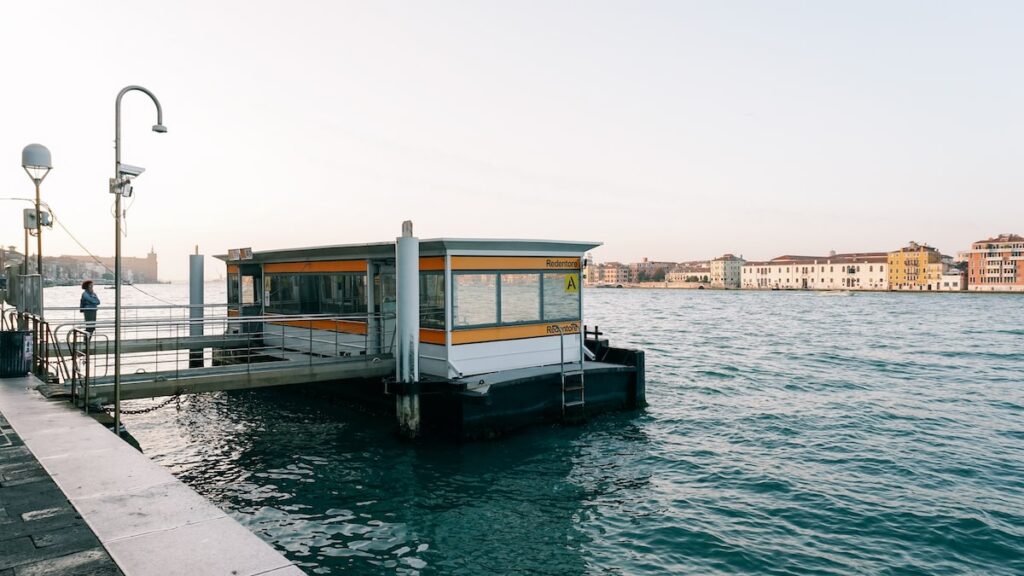
You can buy tickets and passes for the Venice Vaporetto in the yellow vending machines at the stops. You’ll find them everywhere around the city and also at Marco Polo Airport.
Alternatively, you can purchase them online, and this makes sense for the passes. You can check the current prices and book your pass here after adding the number of days.
When I visited Venice, I pre-purchased my Vaporetto Pass online to avoid long queues at the offices. However, please keep in mind that when buying a pass online, that’s not your ticket: you will have to exchange it at a designated machine in the arrivals hall. The process is pretty straightforward: you either scan your QR code or add the reservation number. I preferred to scan the QR code, and within a few seconds, I had my paper pass in hand. Plus, there was no queue at the machine while the counter was packed.
On the other hand, if you plan to buy one or two tickets during your stay, there’s no need to book them in advance. You just purchase them straight at the Vaporetto stop.
How to use your Vaporetto passes and tickets
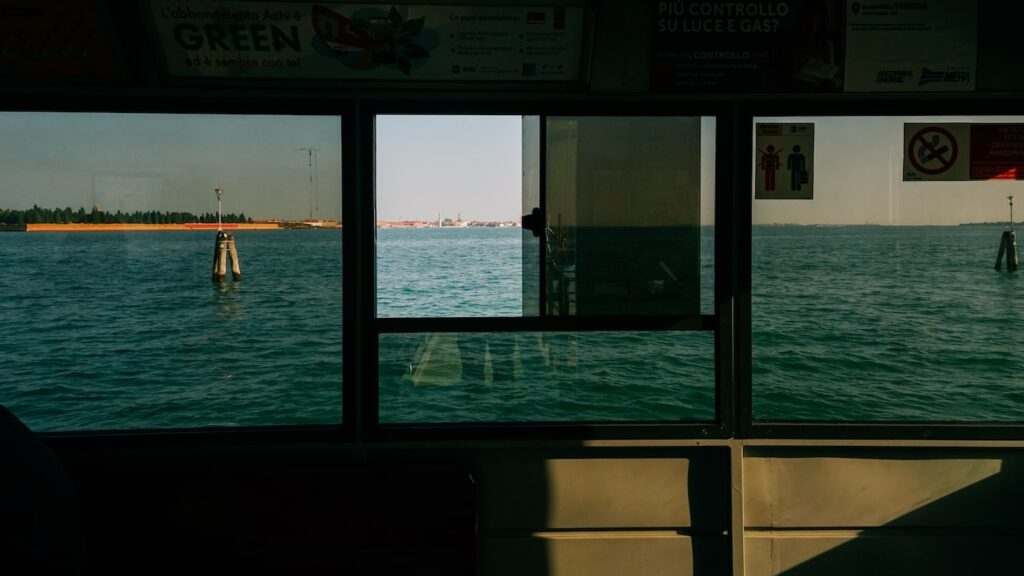
It doesn’t matter if you have a single ticket or a pass: you must always validate it before entering the Vaporetto floating platform. Some stops have bars, while others don’t. However, there are always machines to validate your pass or ticket, and you should always use them. If you are asked for your ticket when on a waterbus, it’s not enough to just show your pass: the machine will read when and where it was validated. And you’ll be fined if you don’t validate your pass.
For example, I stayed five full days in Venice and decided to have peace of mind with a weekly pass. I used the pass extensively to travel around the city and visit Murano, Burano, Lido, etc. In total, I used the Vaporetto more than 30 times, and I was asked to show my ticket twice. That said, ticket control on Vaporettos is not uncommon.
Long story short, better to be safe than sorry. Always validate your ticket or pass to avoid fines. Apart from adding an extra cost, they’ll ruin your mood.
The Venice Vaporetto lines
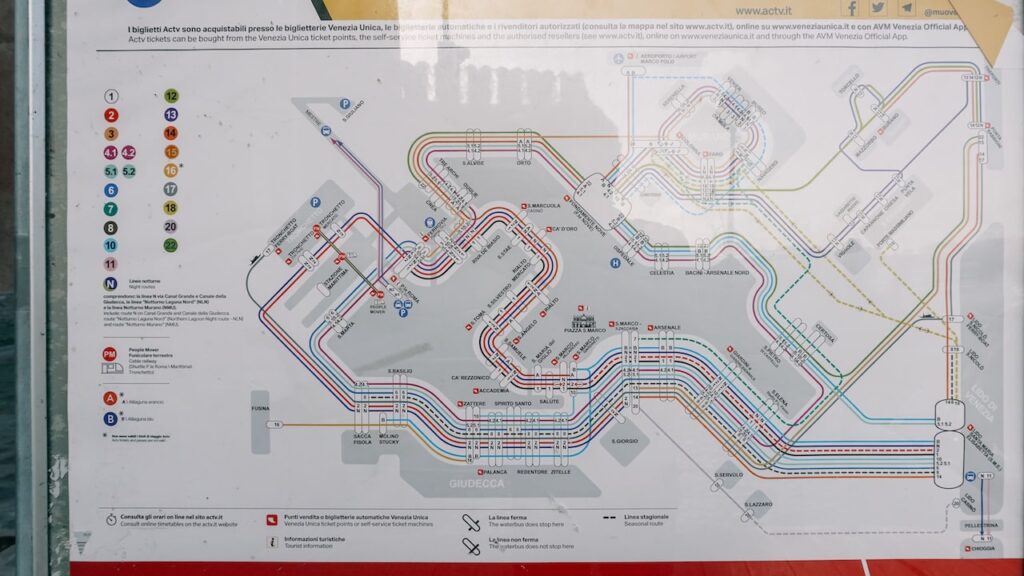
The Venice Vaporetto network is extensive. It consists of 19 lines, and the waterbuses operate day and night. The frequency varies, but during the daytime, it’s anything between 12 and 20 minutes. On the other hand, you can expect less frequent services at night -and past midnight, dedicated night waterbuses operate even less frequently and won’t call at every stop.
Let’s see now some info about specific lines.
The Vaporetto lines 1 and 2
Lines 1 and 2 see the most crowds because they operate in the iconic Grand Canal. They run every 12 minutes, and you can expect them to be packed.
Vaporetto No. 1 feels almost like a sightseeing waterbus, as it cruises along the Grand Canal. It operates the route from Piazzale Roma to the island of Lido. However, it feels a bit slow because it stops at every stop.
On the other hand, the Vaporetto No. 2 is much faster. Although it sails along the Grand Canal, it only serves seven stops. It travels between Piazzale Roma and Giudecca, and it’s definitely a better option if you want to commute fast.
The Vaporetto lines 4.1, 4.2, 5.1, and 5.2
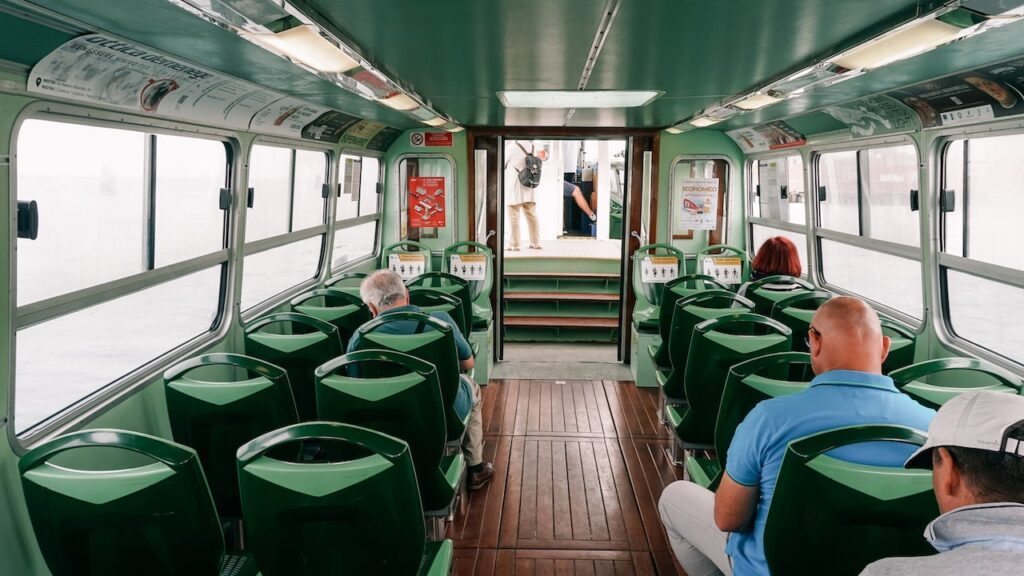
These four lines circumnavigate the city of Venice. They are all great options for either catching a corresponding Vaporetto from another spot or going to the other edge of town without walking.
All four lines start from Fondamente Nova and travel around the historical center. However, they don’t cross the Grand Canal. Line 4 also brings you to Murano, while line 5 travels to Lido.
Lastly, lines 4.2 and 5.2 travel clockwise, while lines 4.1 and 5.1 move counterclockwise. Therefore, see where you are heading to avoid long travel times.
The Vaporetto Line 12
I’m adding a special mention to line 12 because it takes you to one of the most-visited Venetian islands: Burano. The small island of Burano, located 45 minutes away from Venice, is famous for its vibrant houses and laid-back atmosphere. Vaporetto No. 12 drives directly from Fondamente Nova to Burano. You don’t need a special ticket, and the Vaporetto pass covers you.
Although you should be ready for a crowded waterbus service, I highly recommend visiting Burano.
The other lines & a Vaporetto map
With 19 lines, the Venice Vaporetto will take you everywhere. That said, cross-check your destination and see how to use Venice’s extended waterbus network. The lines I mentioned above are probably the ones you’ll use more frequently. However, there’s a good chance that at least once, you’ll jump into one of the other lines.
To better prepare for your future ride, you can download the official Venice Vaporetto map. It shows every line and every stop, and it’s very handy. You can either print it or save it on your smartphone. You can download the map in PDF here.
The waterbus service to and from Marco Polo airport
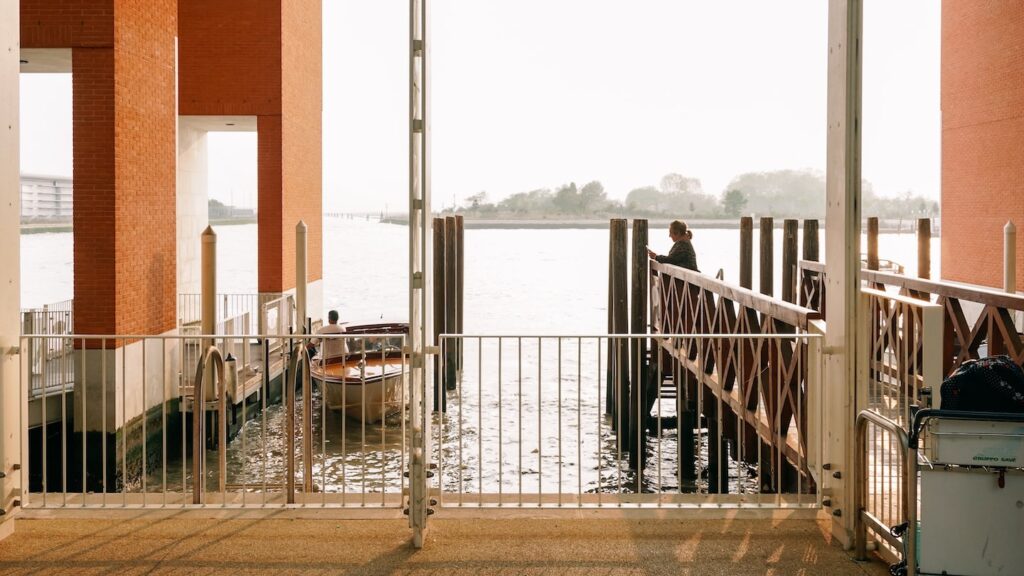
Last but not least, there’s a Vaporetto connecting Marco Polo Airport and the city of Venice. However, the same company does not operate this; you’ll need a separate ticket to use it. Here’s what you need to know.
The Venice Vaporetto company is Actv, while Alilaguna operates the Waterbus service to and from the airport. Apparently, these are two different companies, and despite the fact that they both use Vaporettos, you need separate tickets.
A one-way ticket to or from the airport costs 15 euros; however, if you buy a return ticket, you’ll save some money and pay 27 euros. You can book your airport tickets here.
And if you want to see how you can commute between the airport and the city, read my Marco Polo Airport guide here.
Venice Vaporetto Guide: Frequently Asked Questions
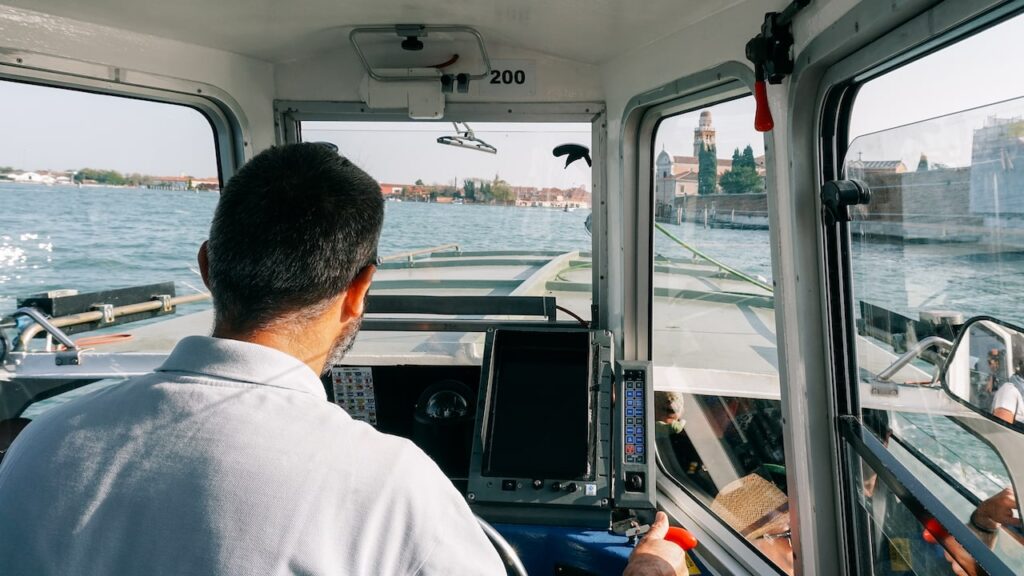
In this section of the Venice Vaporetto guide, you will find frequently asked questions and their answers. However, if you have more questions, feel free to ask in the comments at the bottom of this post. I’ll do my best to reply and provide further help.
Are all Vaporettos the same?
Technically, no. The -let’s call them- real Vaporettos serve lines 1 and 2. Vaporettos like 4.1 or 5.1 are called Motoscafi because they travel around the city and, thus, outside the sheltered waters of the canals. Finally, you have the Motonave, the single or double-decked small ferries that travel to Burano (line 12).
There’s no need to worry, though. All of them are called Vaporetti (plural: Vaporetti), and your single ticket or pass covers travel on any of them.
Do I need to pay extra for luggage in a Vaporetto?
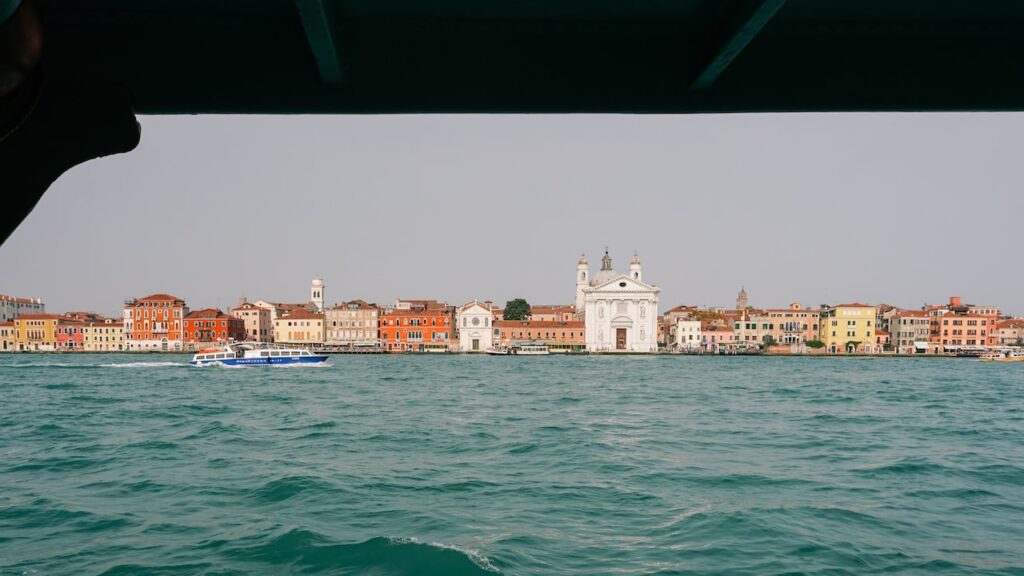
Your ticket (or pass) lets you bring a backpack and a small suitcase. The latter cannot exceed 150 cm (60 inches) of combined height, width, and length. If you wish to bring more or bulkier luggage, an additional fee will be charged. The cost is currently 3 euros.
Do children pay for Venice Vaporettos?
Children younger than 6 travel for free on the Venetian Vaporettos. On the other hand, the regular fee applies to children aged 6 and older.
Are there pickpockets in the Vaporettos?
Yes, pickpocketing exists everywhere in the world, and Venice and its waterbuses are no exception. Especially in crowded routes like the Grand Canal or Burano, it’s actually not uncommon. However, using common sense is all you need. Keep your belongings close to you, and don’t put money, smartphones, or passports in your back pockets.
What are the most important stops for Vaporettos in Venice?
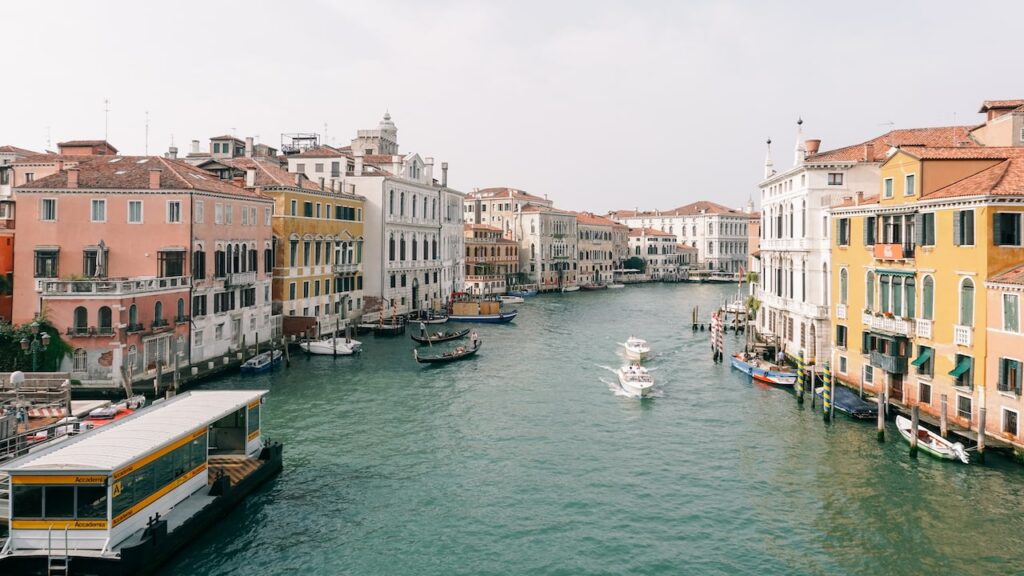
Well, to most travelers, the most obvious reply is San Marco. However, there are three stops you should remember, since you’ll likely need them at least once.
Piazzale Roma. That’s where the bus stop is for the Venice airport route. If you plan to use the bus to reach (or depart) from Venice, you’ll have to use the Piazzale Roma Vaporetto stop.
Ferrovia. That’s the train station in Venice. Therefore, if you arrive in Venice by train, you must embark on the Vaporetto at Ferrovia.
Fondamente Nova. Finally, the Fondamente Nova stop is a hub with multiple platforms. If you plan to visit Murano and Burano, the Vaporettos depart from here.
What are the best Vaporetto routes in Venice?
The must-use Vaporetto routes in Venice are Lines 1 and 2. They will both take you to the Grand Canal, and that’s a spectacle by itself. Don’t miss riding these lines, even if you are not a first-time visitor to Venice.
Do the itineraries get canceled sometimes?
Unless there’s a strike, the Vaporetti operate normally. The only time a schedule can be interrupted is during high tide. The so-called acqua alta is a periodic phenomenon linked to astronomical tides that causes flooding in Venice.
Will I get seasick in a Vaporetto?
Probably not. The rides with the Vaporetto are usually smooth, and you can expect some shaky moments when they arrive or depart. Otherwise, it’s pure joy to ride them, and you won’t notice anything.
I found the floating platforms to be more shaky, especially outside the Grand Canal. Especially close to San Marco, you can expect constant movement. The best Vaporetto tip I can give you is to wait straight outside the floating platform in the area after validating your ticket. You can wait for the Vaporreto there, and when you see it arriving, walk to the entrance.
Are the Vaporettos in Venice wheelchair accessible?
Yes, most Vaporettos are wheelchair-accessible. You should always ask the staff for help boarding or disembarking if you have mobility problems. They are always glad to help.
Are there various platforms at each stop?
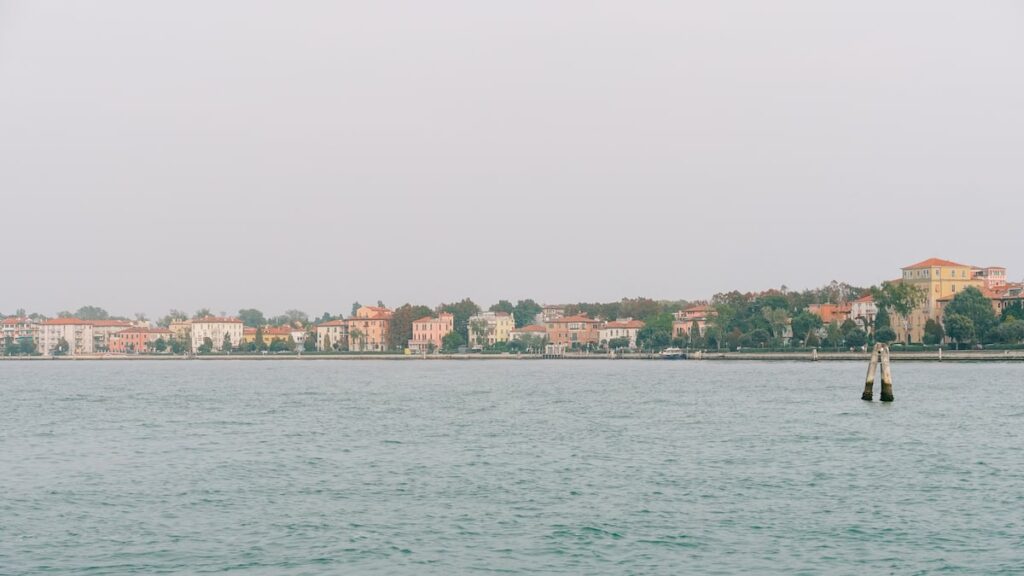
The less popular stops have a single platform for boarding or disembarking. However, the busiest stops (such as San Marco, San Zaccaria, or Fondamente Nove) have several platforms. Each comes with a capital letter -so, A, B, C, etc. Cross-check which Vaporetto you want to take before embarking.
And here’s one more Venice Vaporetto tip: Google Maps is pretty accurate when showing live itineraries. Simply place the pin on the Vaporetto stop, and you’ll see every waterbus arriving.
Can I use my Vaporetto pass to travel to the airport?
No, you’ll need a separate ticket to travel to and from the airport. You can purchase your ticket for the airport here.
How many lines travel between Marco Polo Airport and Venice?
There are three lines between Marco Polo Airport and Venice. Instead of a number, they are named after the line’s color. The three lines are blue, orange, and red. In brief:
The Blue Line travels between Venice Marco Polo Airport and the Cruise Terminal. It also passes through San Marco, making it a popular destination among tourists.
The Orange Line travels between Marco Polo Airport and the Railway Station. This line travels through Rialto.
Finally, the Red Line will take you from Marco Polo Airport to Venice’s historic center, but it first stops at Murano and Lido.
You can find a map of these three lines here.
5 Vaporetto tips for your journey to Venice
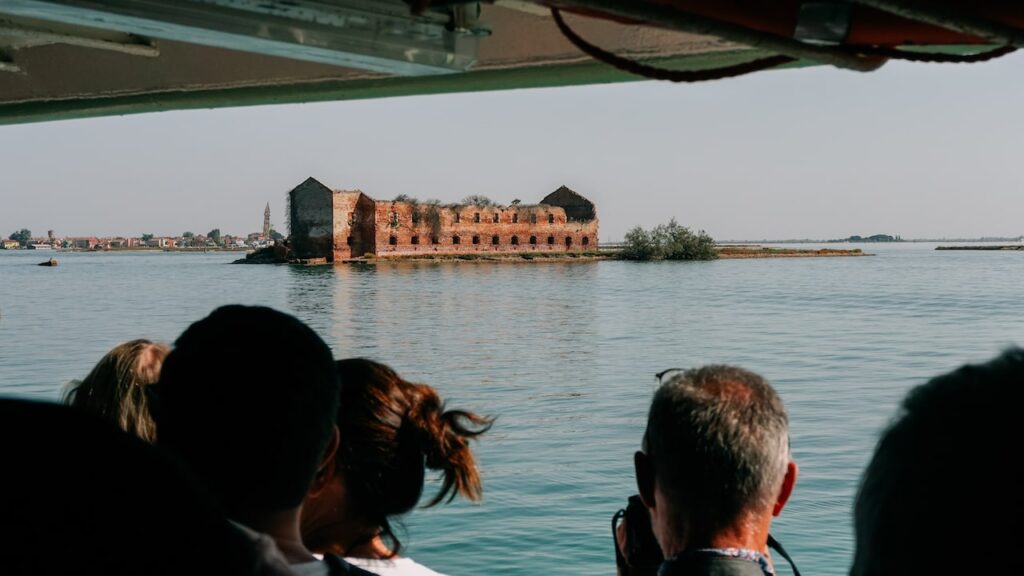
So, in the final section of this guide, I’ll share five quick Vaporetto tips for your journey.
- If you easily get seasick, don’t sit. Instead, stand still and look at the sea and the architecture.
- Buy a pass if you plan to use the Vaporetto more than once or twice. You’ll save a lot of money and won’t have to worry about buying separate tickets.
- Don’t spend all your time at the Grand Canal. The Vaporettos go everywhere, and it’s a pity to lose less popular itineraries.
- Avoid placing valuable things like money or passports in your back pocket. Pickpockets might embark on popular stops. Use common sense and spend time exploring Venice, not at your country’s embassy…
- Lastly, don’t forget to validate your pass every time you board a Vaporetto!
The Ultimate Guide to Vaporetto in Venice: Conclusion
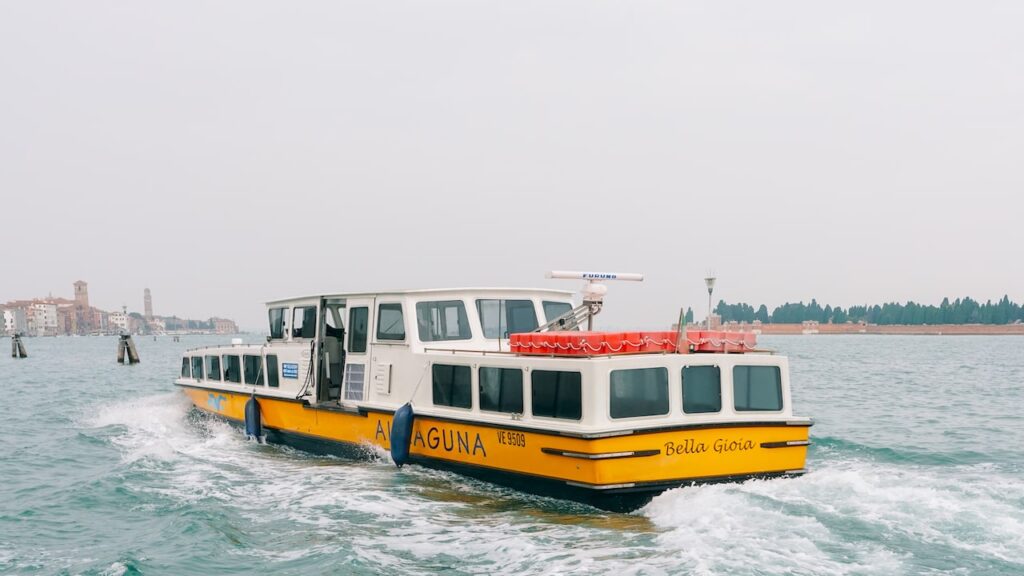
As you’ve read in the previous line, the Vaporetto is the only way to travel around Venice. Although it’s easy to walk around for hours in the City of Bridges, the truth is that the waterbuses will take you everywhere quickly. And that’s a plus when you are out and about all day long. Moreover, the Venice Vaporetto is a unique way to travel, and it’s not often that we can take a boat for our daily commutes.
That said, I strongly suggest adding the Vaporetto to your daily routine in Venice. It provides a great shortcut between places, and don’t underestimate the chance to sit for ten or twenty minutes when you are tired and enjoy spectacular sea views. Buying a pass for the Vaporetto will give you peace of mind, and sometimes, you’ll feel like embarking on the “little steamer” and just circumnavigating the Serenissima without a purpose. And that’s one of the best things to do in Venice.
More about Venice: How to book a gondola ride in Venice, Where to stay in Venice, Venice Itinerary Planner

Pin it for later

Sharing is caring. Share the Ultimate Venice Vaporetto Guide with your friends.