

Last Updated on September 22, 2026 by George Pavlopoulos
It was a short yet impactful visit to Gernika. I traveled to the Basque Country in early autumn, and after exploring Bilbao, I decided to tour Spain’s fascinating region. While the most popular day trip from Bilbao is to the breathtaking San Juan de Gaztelugatxe, I simply couldn’t miss Gernika.
Despite being a relatively small city -fewer than 17,000 people call Gernika home- its significance exceeds its size. Immortalized by Pablo Picasso in the collective subconscious through his iconic painting, Gernika’s events should always remind us of Nazi and fascist atrocities and bring a “Never Again” scream to our lips.
Yes, I will rant a bit more here. A visit to Gernika goes well beyond a stop in a picturesque city. In light of current events, where businessmen turned into politicians are giving Nazi salutes to the public, it’s crucial to remember that Nazis and fascists have no place in our societies and should never be tolerated. That’s not debatable, and no, it’s not entertaining.
Therefore, visiting Gernika means paying respect to the victims and taking a stance against modern-day lunatics who failed in their history classes.
*Some links are affiliate links. It means that if you buy something, I might earn a small commission at no additional cost to you.
The Bombing of Gernika: Never Again
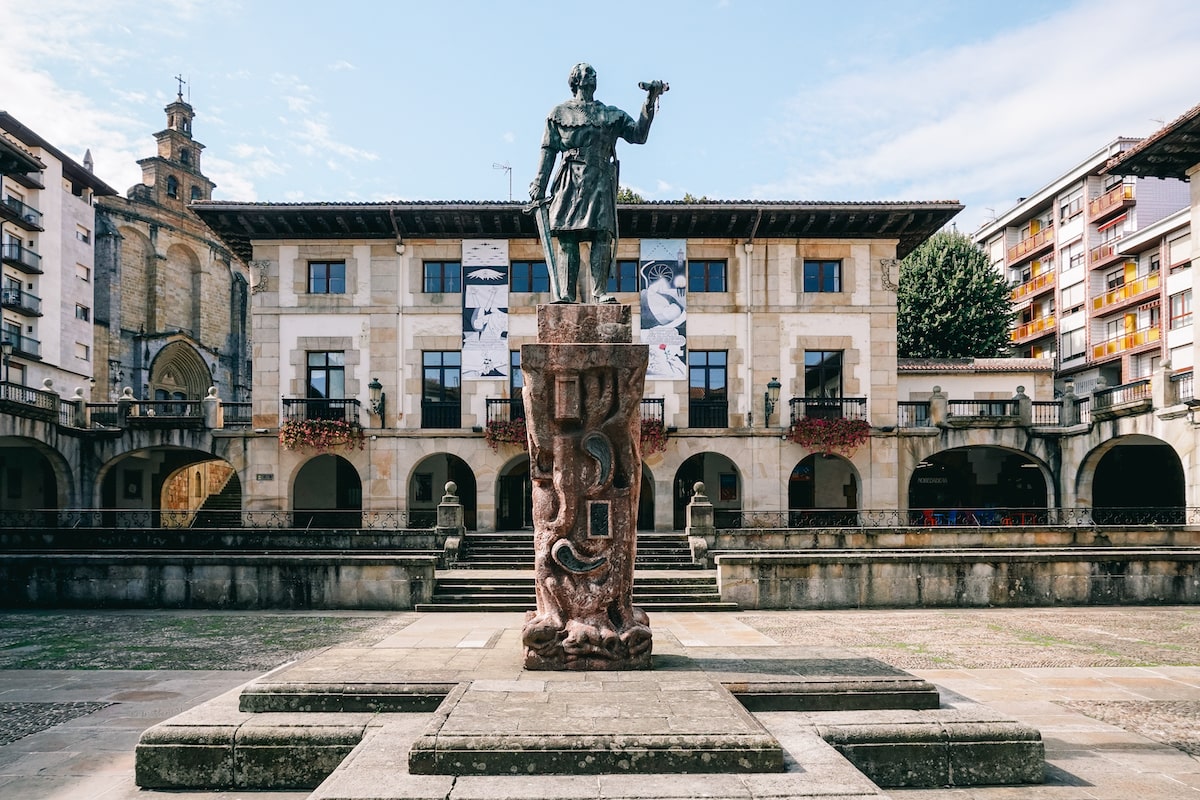
Gernika (or Guernica) holds a tragic place in history as one of the first towns to ever experience a large-scale aerial bombardment. It was a military experiment, and the bombing occurred on April 26, 1937, during the Spanish Civil War. We now know the town served as a testing ground for Germany’s Luftwaffe and Italy’s Aviazione Legionaria.
Supposedly, the target was a small bridge at Renteria to block Basque troops from retreating toward Bilbao. However, since Nazis are always liars, a look at the scale of the attack shows the real purpose: they wanted to demoralize the Basques and destroy the resistance. More than 30 tons of bombs were thrown at Gernika, and the attack took place on a market day. Yes, they wanted to kill people –lots of people.
At 4:20 PM, the church bells of Santa María warned of an enemy aircraft approaching. For nearly four hours, waves of bombers and fighter planes devastated the town. It was not a random attack but a well-planned one: the first bombs targeted buildings with high-explosive bombs, followed by bombs made of magnesium, aluminum, and zinc, which caused uncontrollable fires. The narrow, picturesque streets reached temperatures of over 1,500 °C. People who tried to escape Guernica’s hell were bombed by a fighter plane: they didn’t want anyone alive that day.
More than 85% of Gernika’s buildings were destroyed. The town became a living hell consisting of cement and corpses. According to the Basque government, the bombing of Gernika resulted in 1654 deaths, although it’s hard to estimate the exact number since lots of people were found under the rubble: the city wasn’t cleared before 1941.
Of course, the Franco regime and his allies in misanthropy tried to erase the events and, subsequently, the memory of the victims. However, some things can never be forgotten. To this day, Gernika symbolizes resilience, collective memory, and hope.
Things to see in Gernika
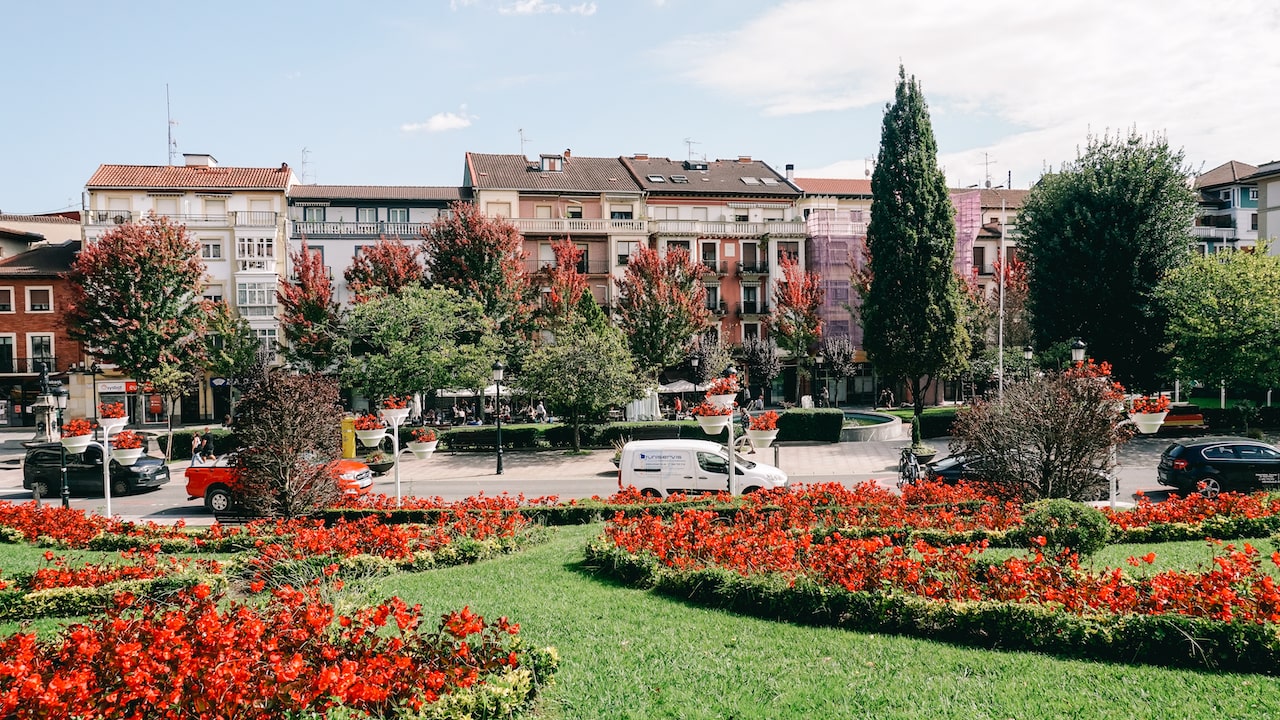
Without the historical context, it would be hard to understand the importance of Guernica. While a stroll around today’s peaceful city is recommended to grasp the history and what things looked like that afternoon in 1937, there are some important things to see.
However, since I firmly believe that visiting Gernika means reflecting upon atrocities, it’s more important to understand what happened there instead of doing exhaustive sightseeing.
Visit the Park of the Peoples of Europe
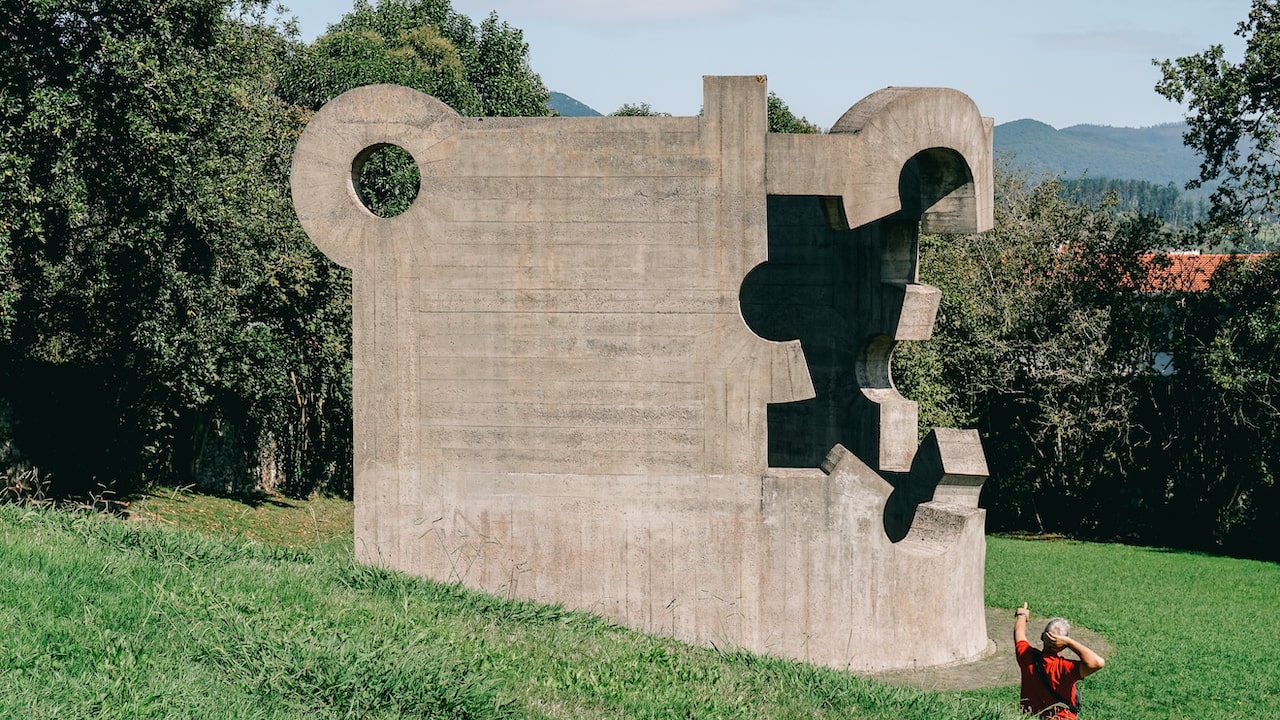
The beautiful park opened its doors in October 1991 and showcases the heritage of the Basque Country. Ideal for a peaceful stroll and self-reflection, the park features two impressive sculptures that magnetize visitors.
The first is by Eduardo Chillida, and it’s called “Gure Aitaren Etxea.” It stands eight meters tall, and the gap you see represents a window to the Tree of Gernika (more on that later). The heart at the center of this house-like statue symbolizes peace and life.
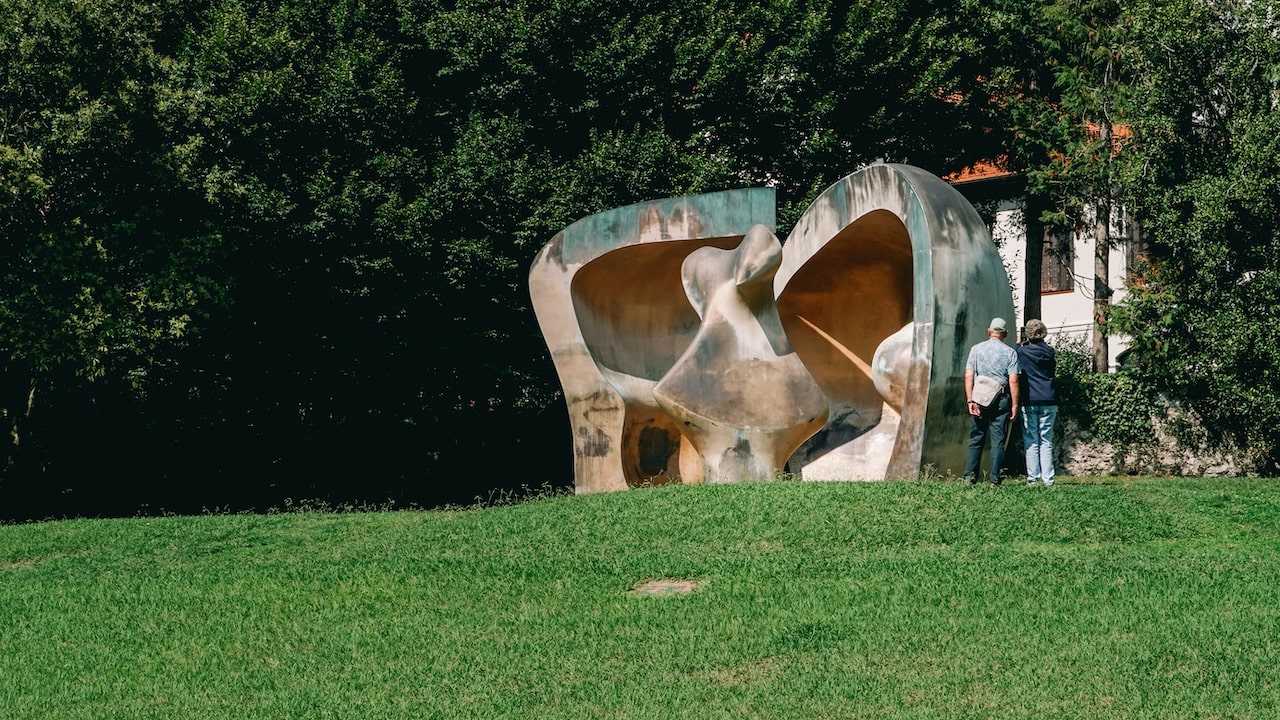
The world-famous Henry Moore created the second sculpture, and it’s called “Large Figure in a Shelter.” It belongs to the artist’s “War Helmets” series and shows two interconnected figures conveying the ancient instinct to seek shelter during war.
The two sculptures are close together and worth visiting. The park surrounding them is beautiful, and if you have enough time in Gernika, it’s a great outdoor activity to enjoy.
The Tree of Gernika
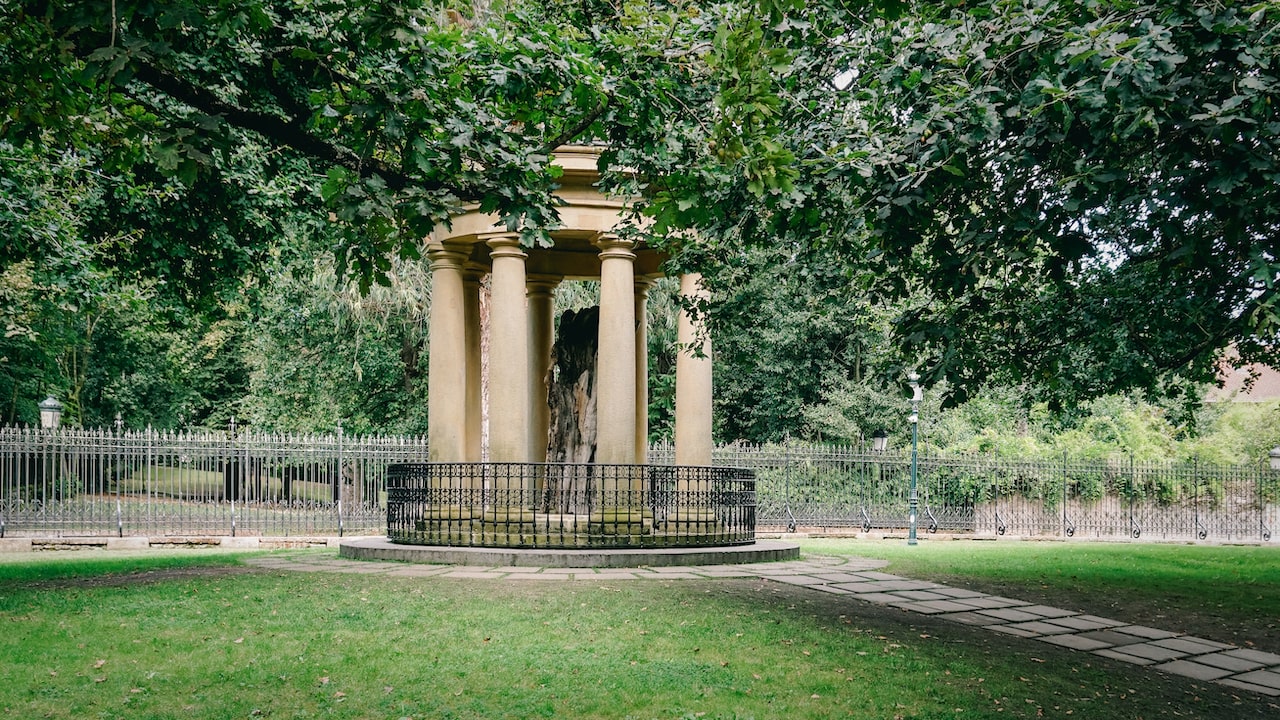
One of Gernika’s highlights and a showcase of its rich tradition and history is the famous Tree of Gernika. In the past, the Tree of Gernika sheltered the Assemblies of Bizkaia. Over time, the oak tree became a symbol of resilience and continuity. The Basque people are proud of their heritage, and this old tree bridges the past, present, and future.
Step into the Pasealeku air-raid shelter
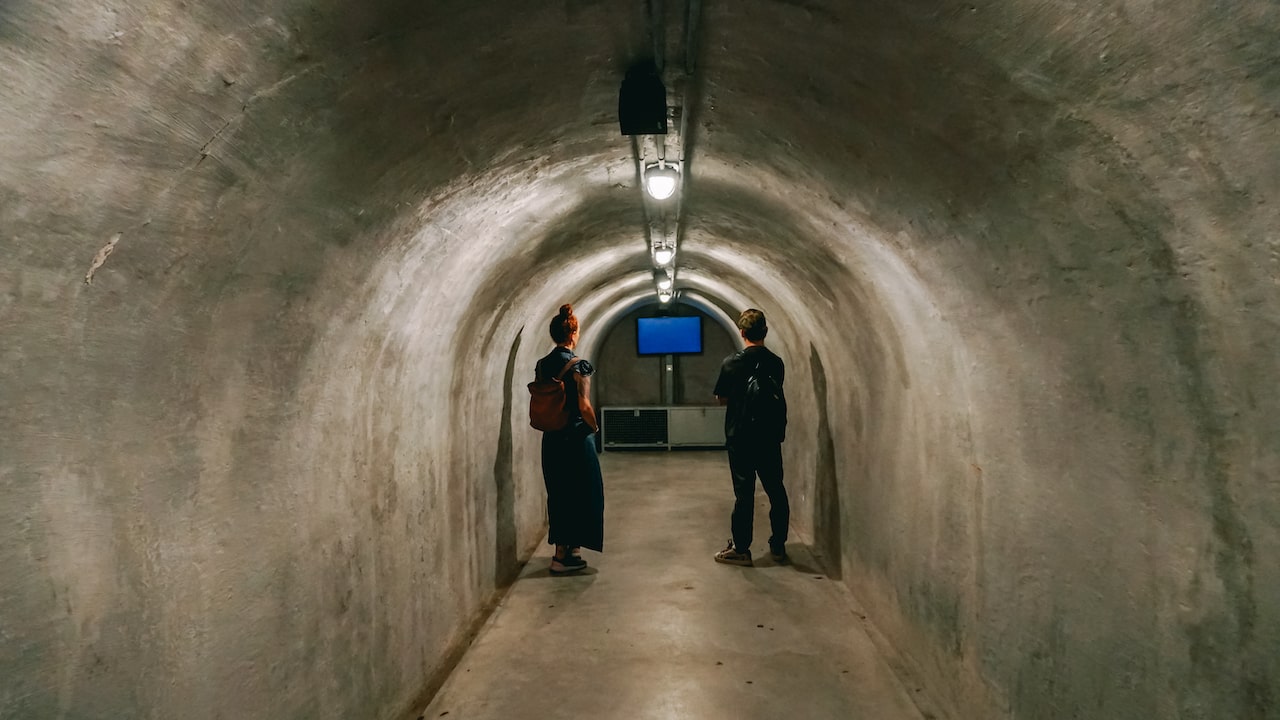
A visit to the Pasealekua air-raid shelter is a terrifying yet heartbreaking experience during your visit to Guernica. It sits on Union Square’s west side, almost carved into the mountain’s side. You can enter the air-raid shelter and even close the door behind you. Apart from the informational material in the shelter, every couple of minutes, there’s an audiovisual event: the lights go off, and you will hear bombings, imitating what happened in Gernika in April 1937.
It’s scary, but I believe it’s an essential experience to glimpse the city’s past. If it makes you feel uncomfortable, you’d better skip it; however, if you can stand the idea of being in a shelter during a bombing, don’t miss it. You will definitely appreciate life.
You can find the Pasealeku air-raid shelter on Google Maps here.
The mural of Pablo Picasso’s “Guernica”
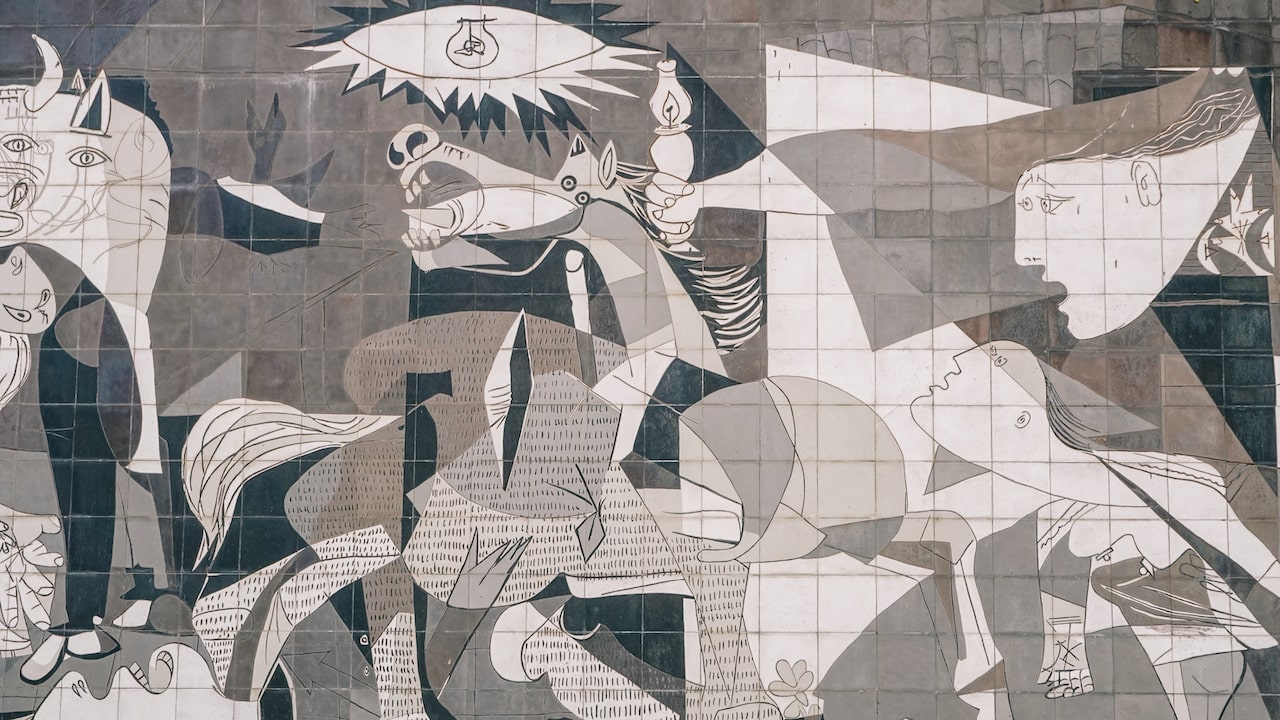
Although that’s probably the reason why you decided to visit Gernika, I added it here as the final thing to see in town. I believe it’s essential to understand the place’s history and see the “Guernica” as a conclusion to your walk.
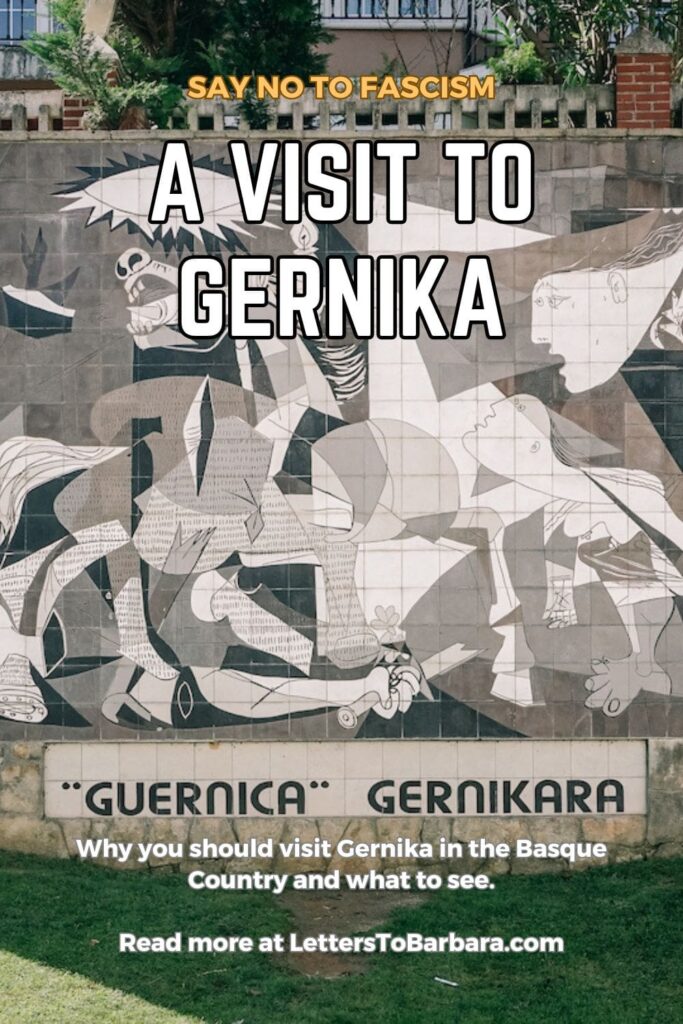
This is not the original “Guernica”; it is a real-life reproduction of Picasso’s original, measuring 3.49 m x 7.77 m. While you can see the original at the Reina Sofía Museum in Madrid, this mosaic is just a short walk from the Assembly House.
Its exact location in town can be found on Google Maps here. So, visit the spot and see the real-life representation of Guernica up close.
Practical Information
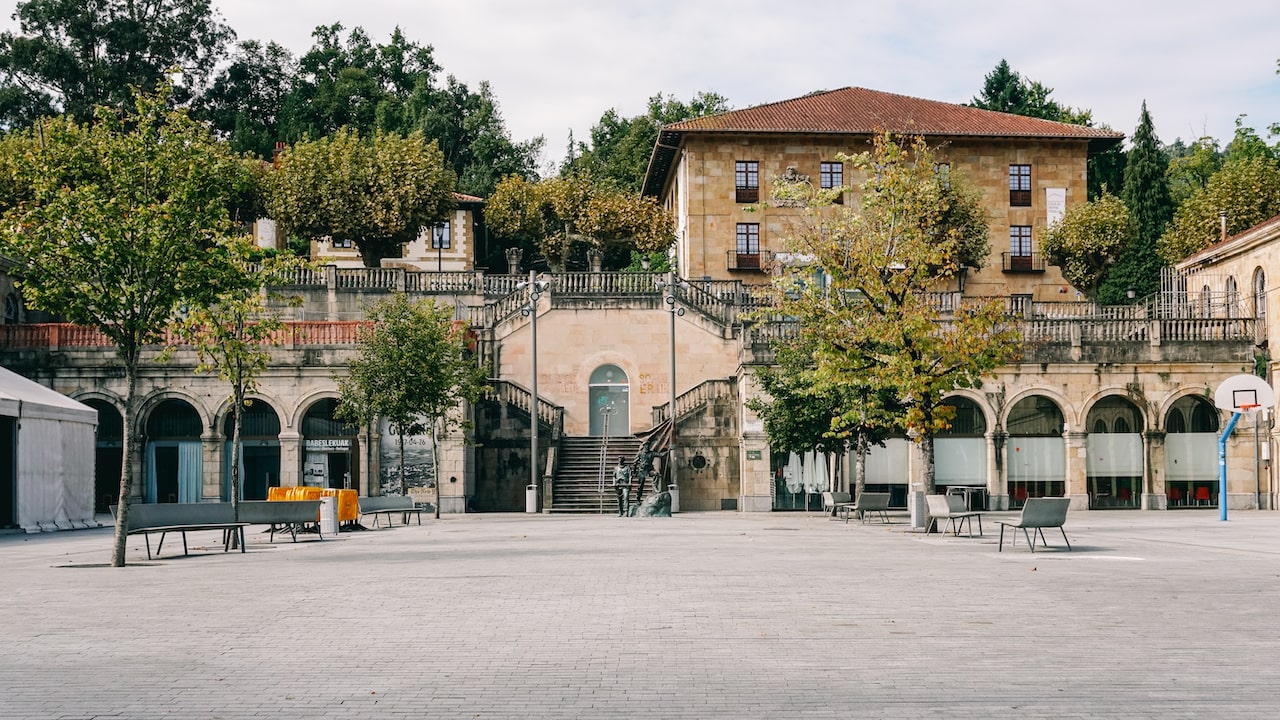
Seeing Gernika was a must for me. Due to my limited time in the Basque Country, I decided to visit the town as part of an organized tour. I left early from Bilbao and visited the magnificent San Juan de Gaztelugatxe, the surfers’ beloved town of Mundaka, and, of course, Gernika on a day trip.
The tour guide shared plenty of info and allowed enough time at every location. After thorough research, I booked this combo tour because it was one of the few with Gernika in its itinerary. It was an excellent choice, and I highly recommend it.
A visit to Gernika: Final Thoughts
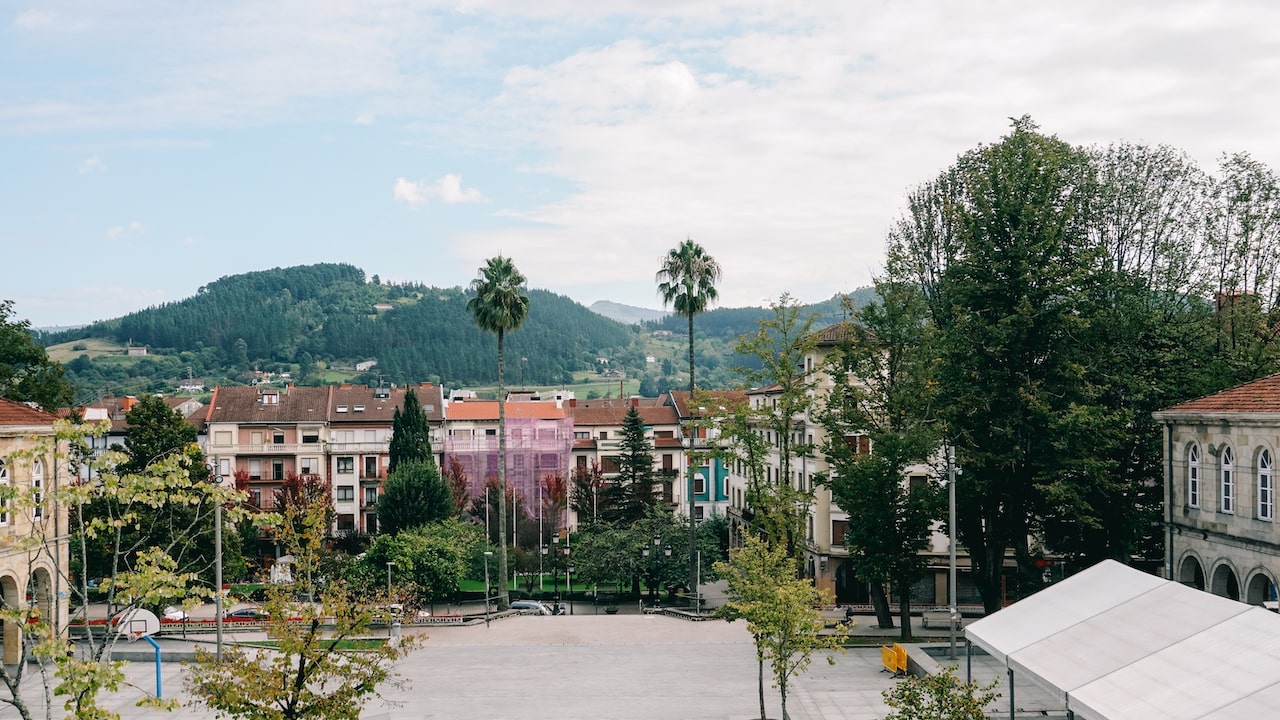
The Basque Country is a stunning region featuring cities and landscapes of extreme beauty. Gernika might not be the most breathtaking location you’ll visit during your trip. However, its importance and symbolism extend beyond Spain and even Europe. The bloodbath of April 1937 should never be forgotten, and tracing these events while visiting the town serves as a history lesson.
Gernika’s importance, therefore, is mainly symbolic: it represents resilience, resistance, and freedom. I didn’t stay that long in Gernika. However, for me, the important thing was to feel what happened there and understand the weight this small city carries. When I embarked on the car to head back to Bilbao, there was only one thought in my mind:
Never again.
More about the Basque Country: Getxo guide, San Sebastian travelogue, Athletic Bilbao Matchday

Pin it for later
Sharing is caring. Share this Gernika travel guide with your friends.